Xian part 2
Xian day 2
The weather was hot and dry staring at a relatively cool 18C and peaking after lunch at around 37 C
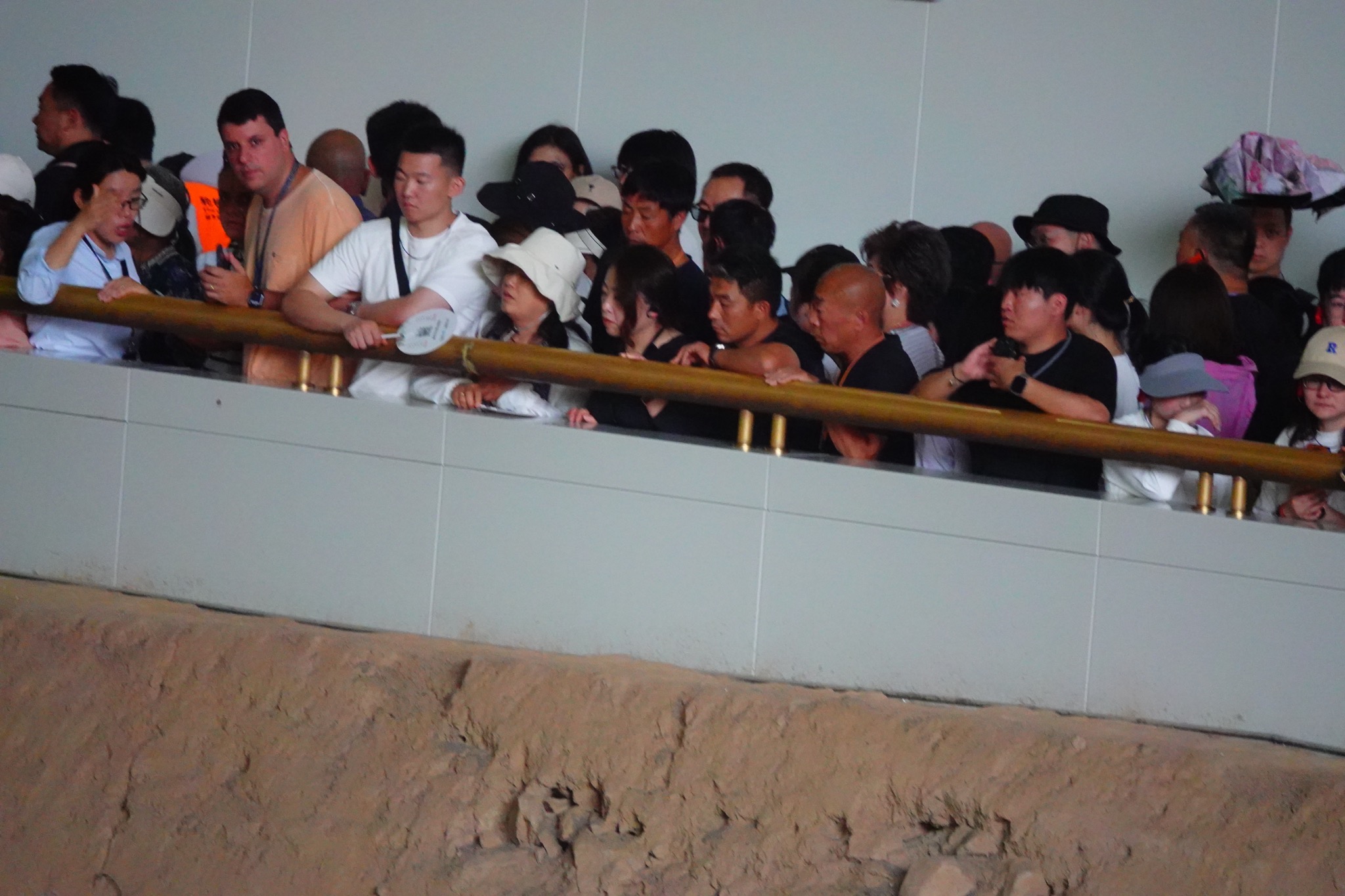
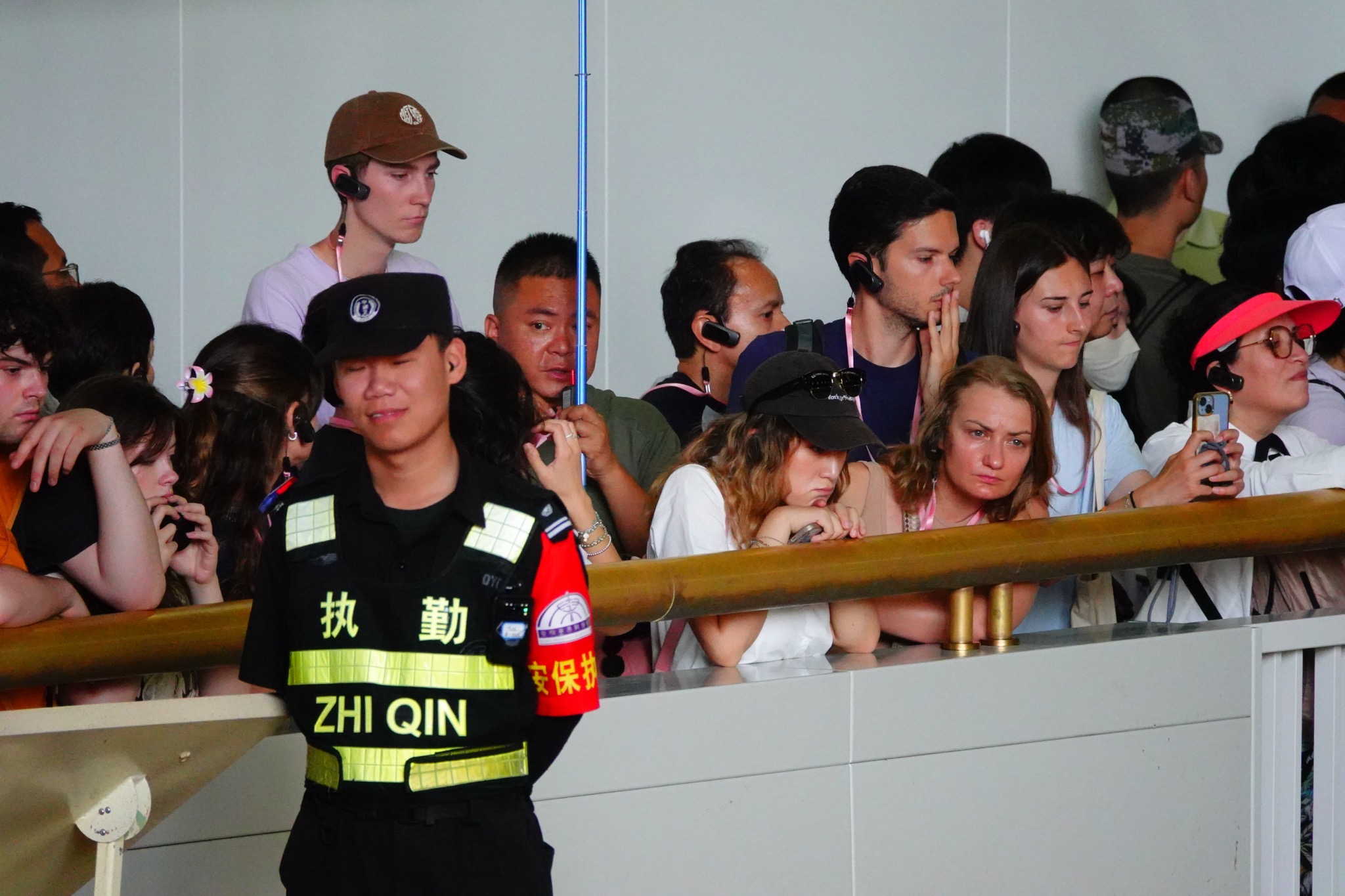
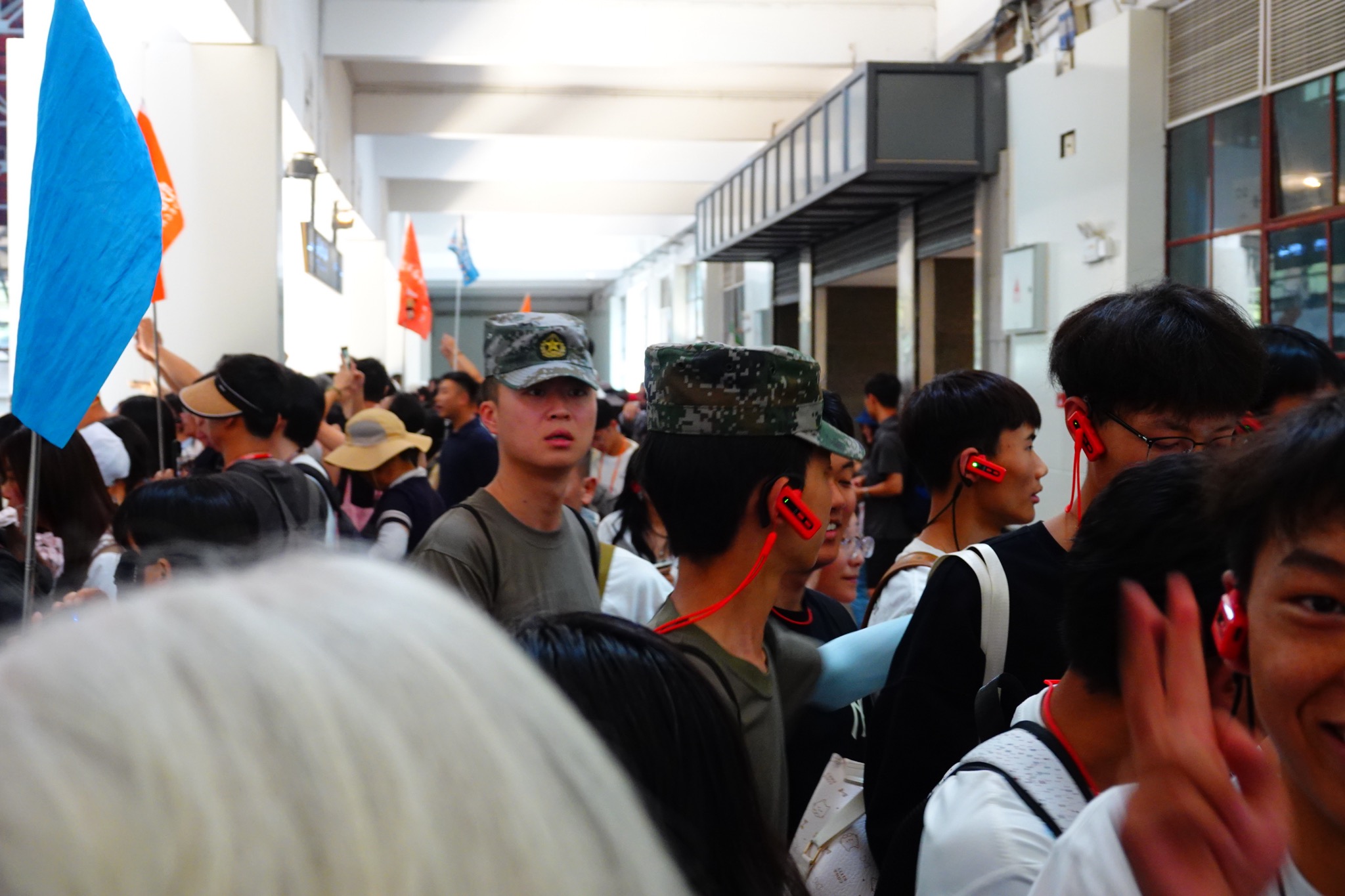
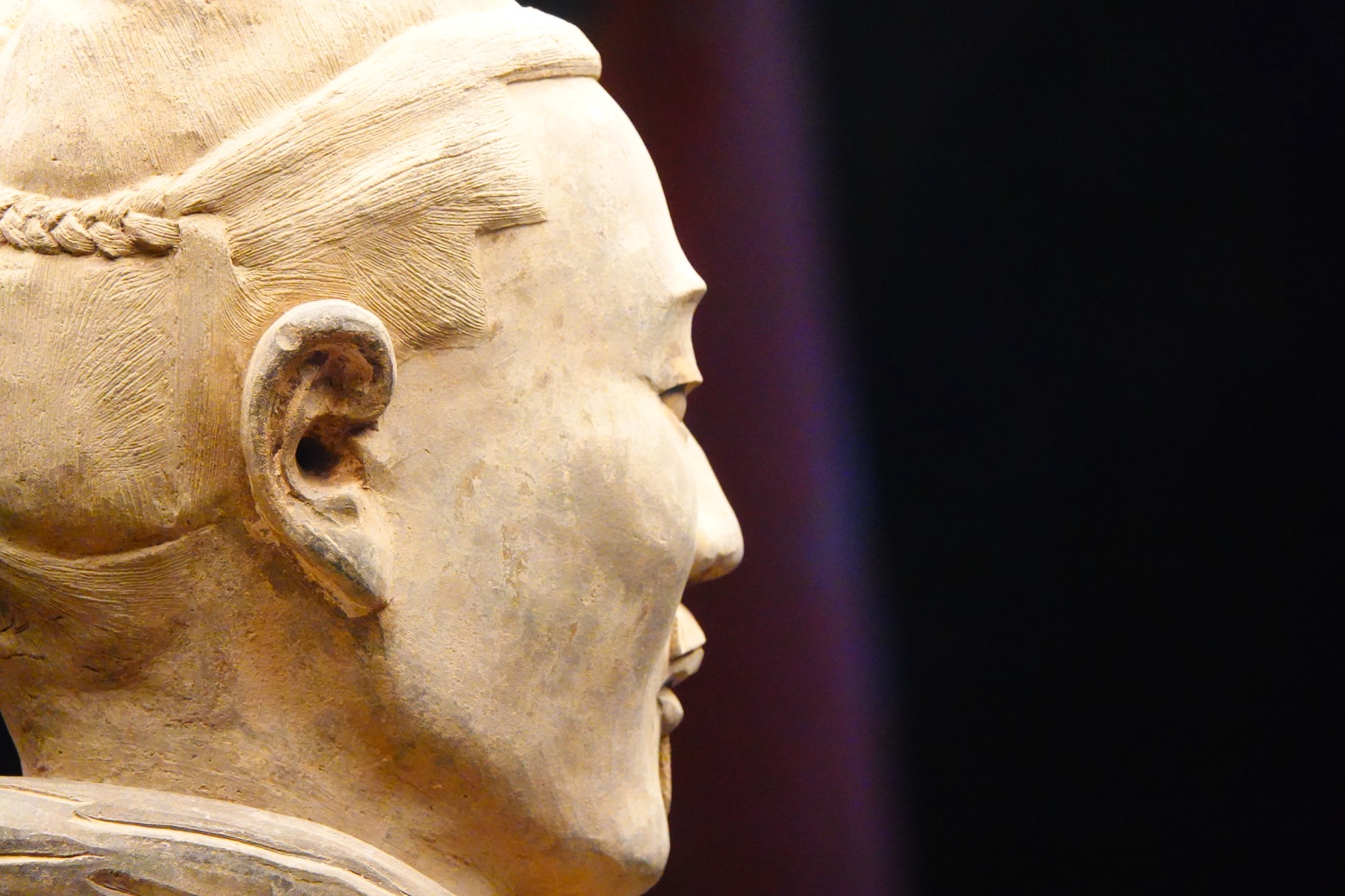
The four of us and Shine our guide for Xian drove out to the tomb of the hidden warriors. This world class resort gets up to 100,000 visitors a day in August in a relatively confined space. Even in June the initial press was powerful even more than when we visited Versailles 8 years ago.
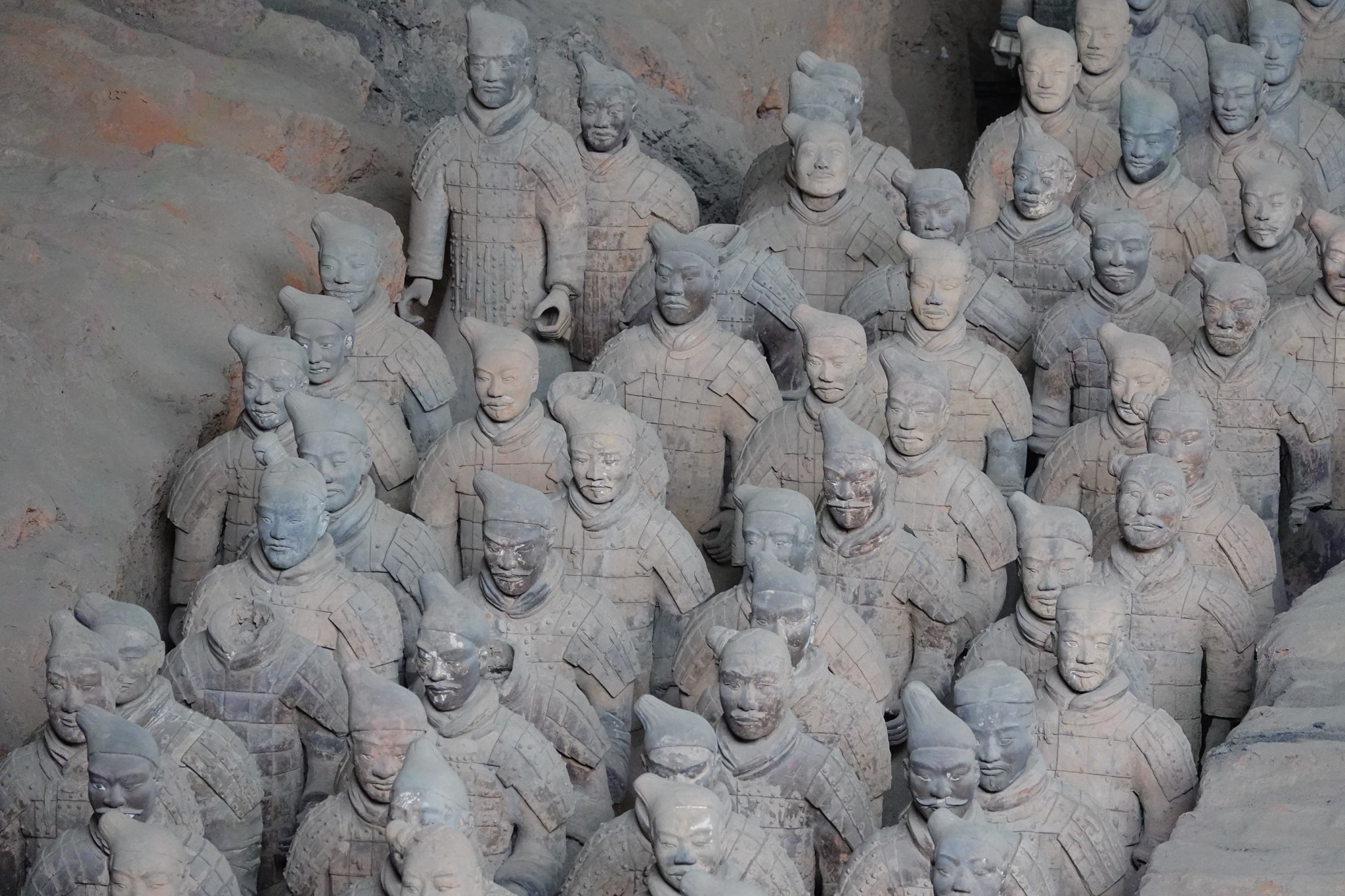
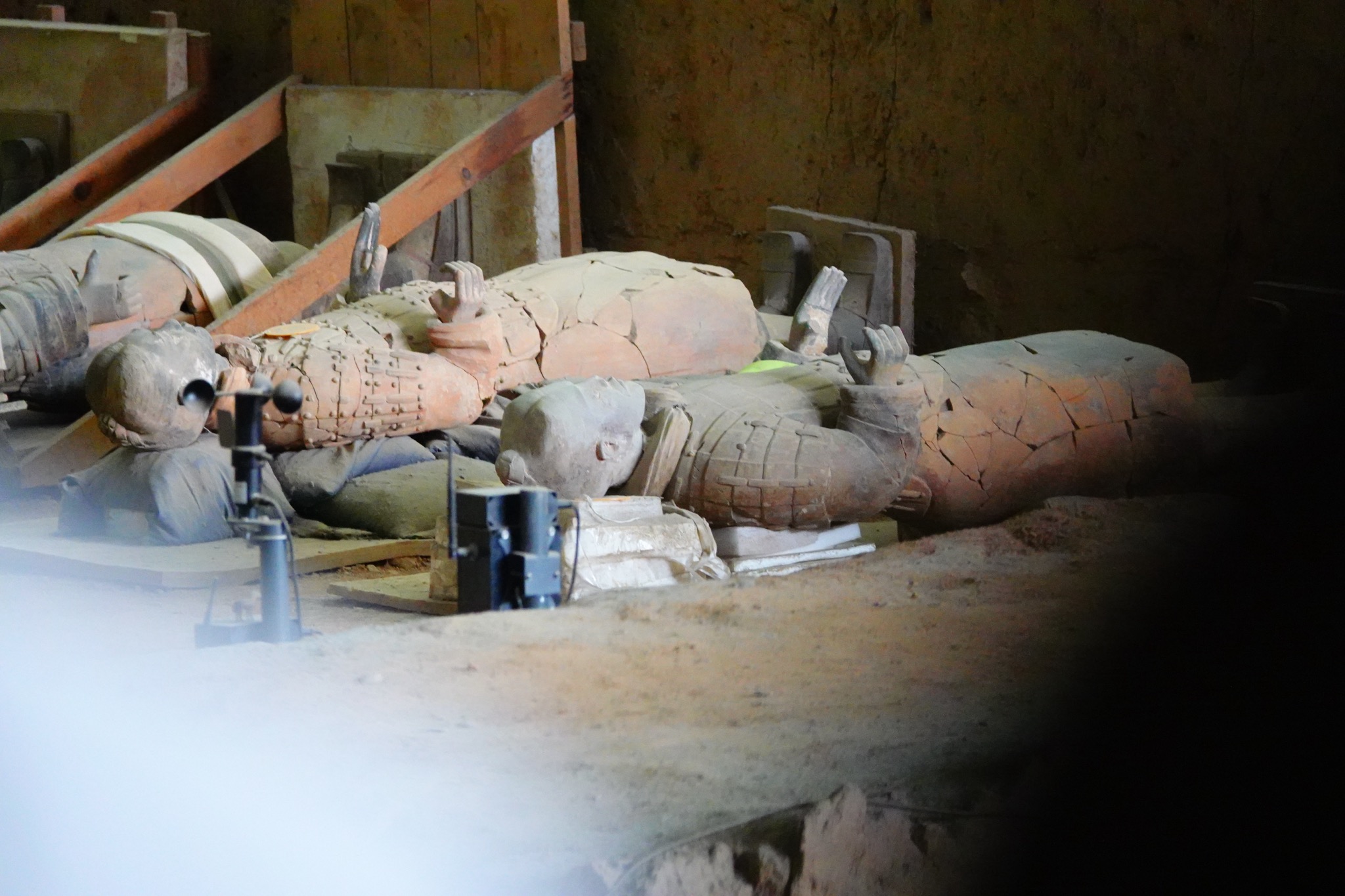
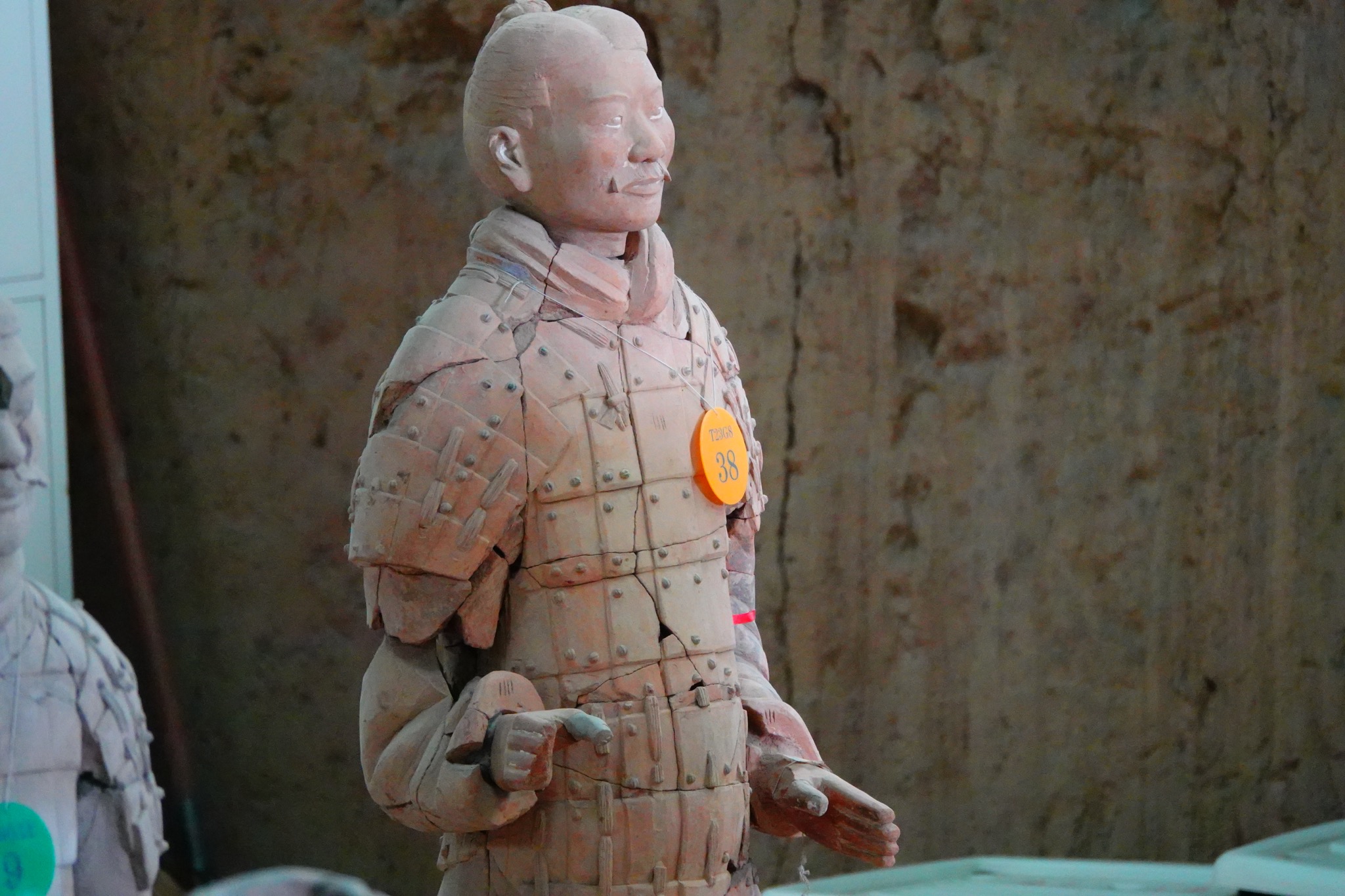
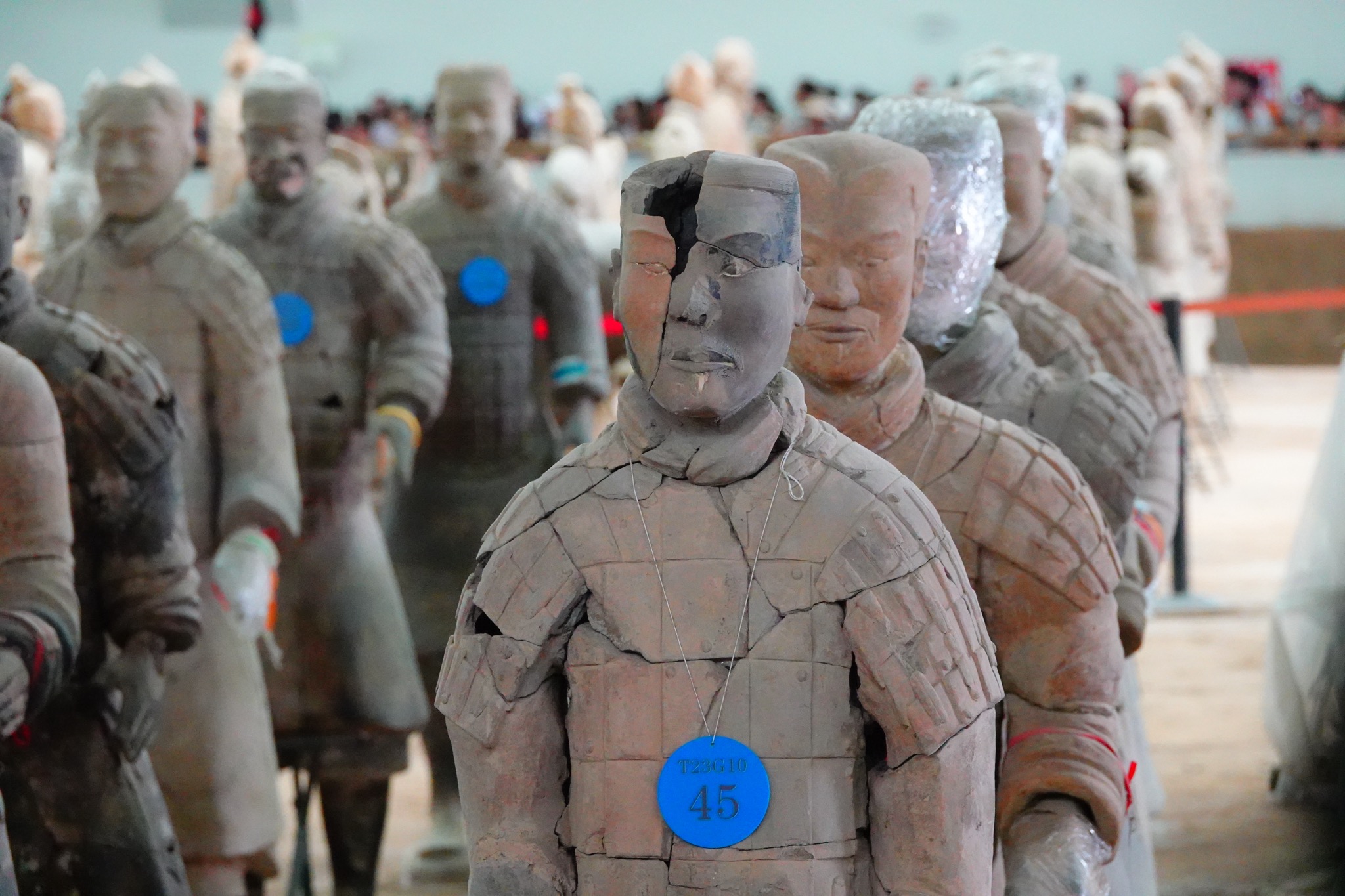
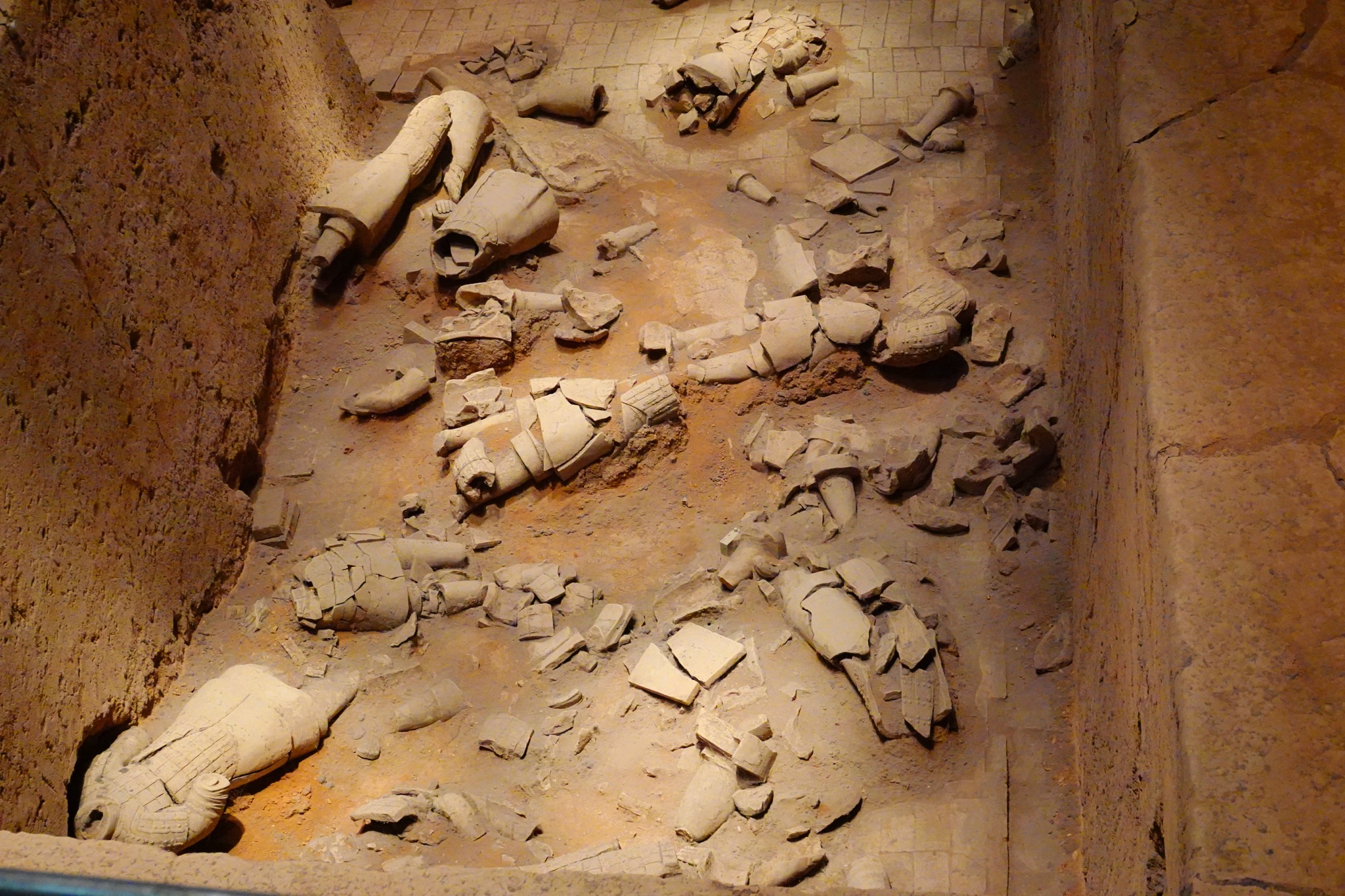
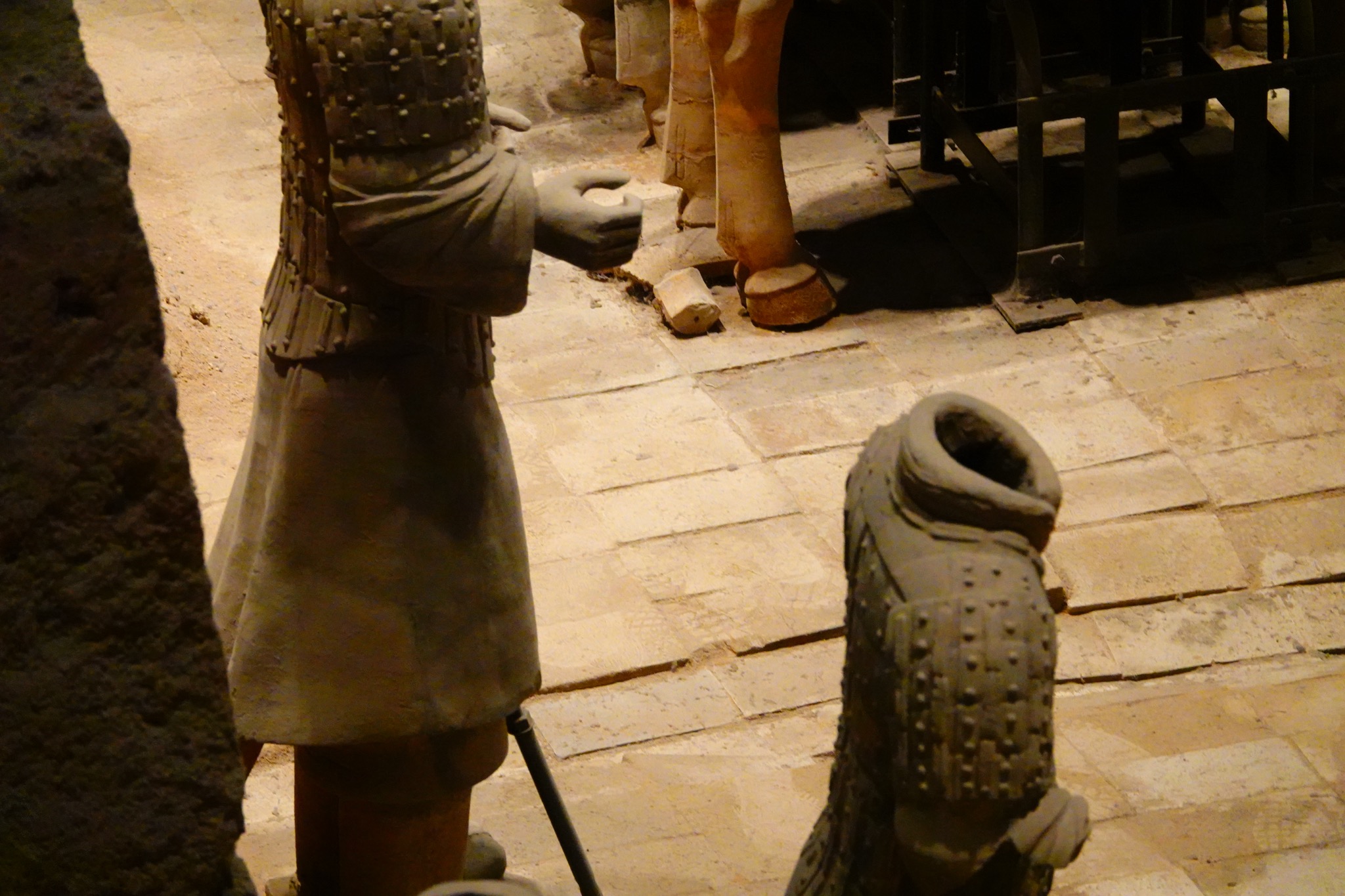
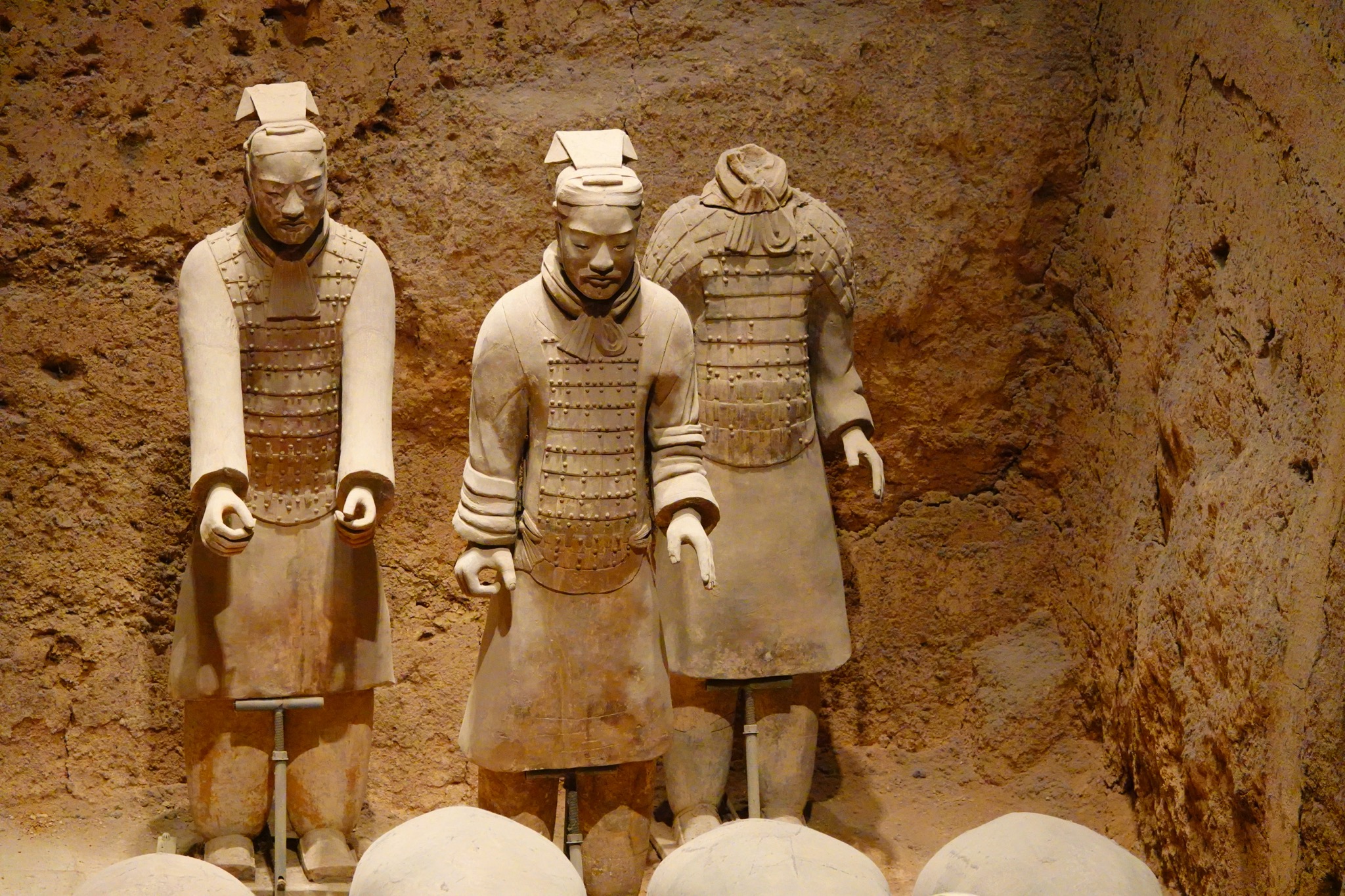
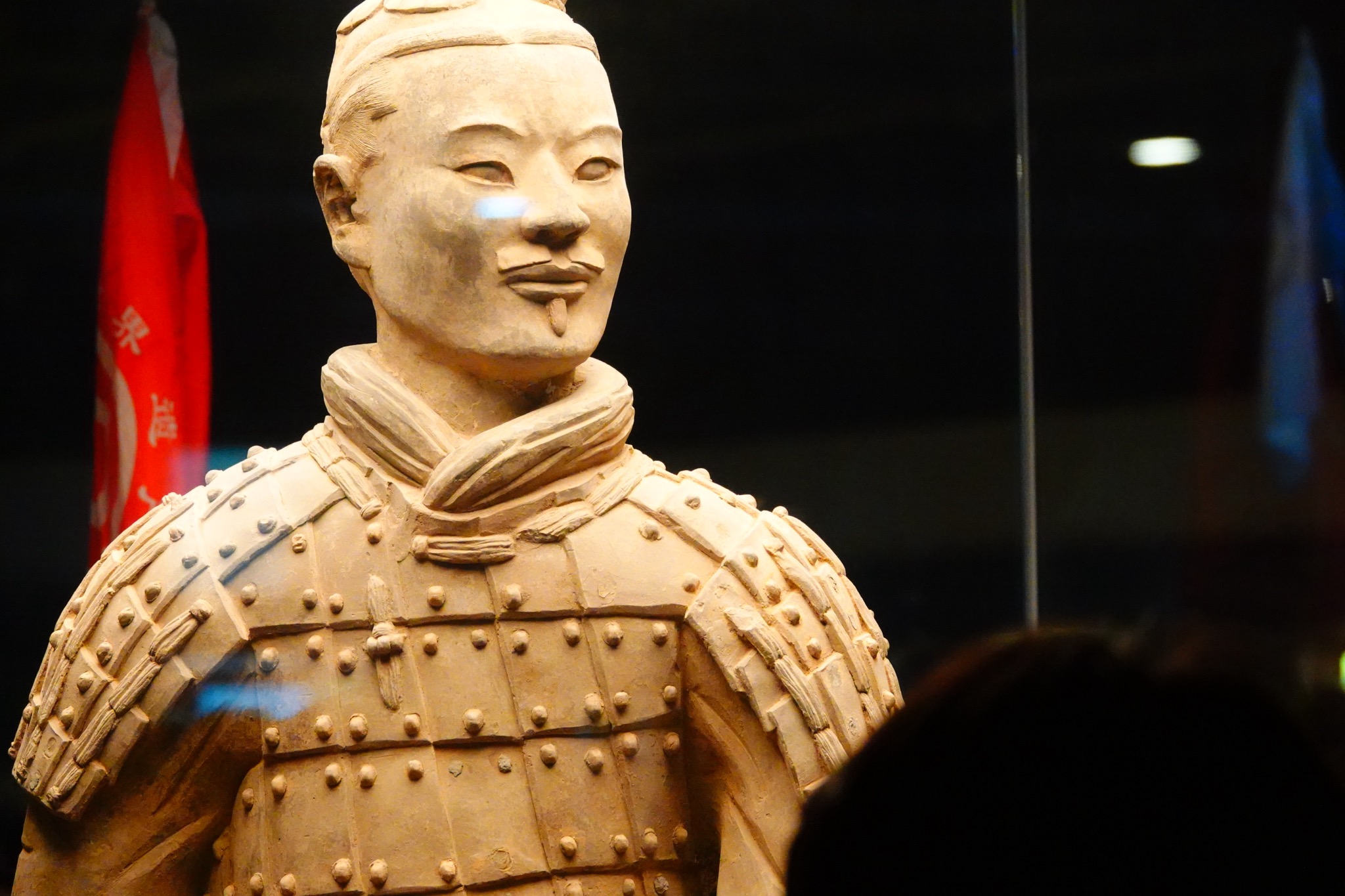
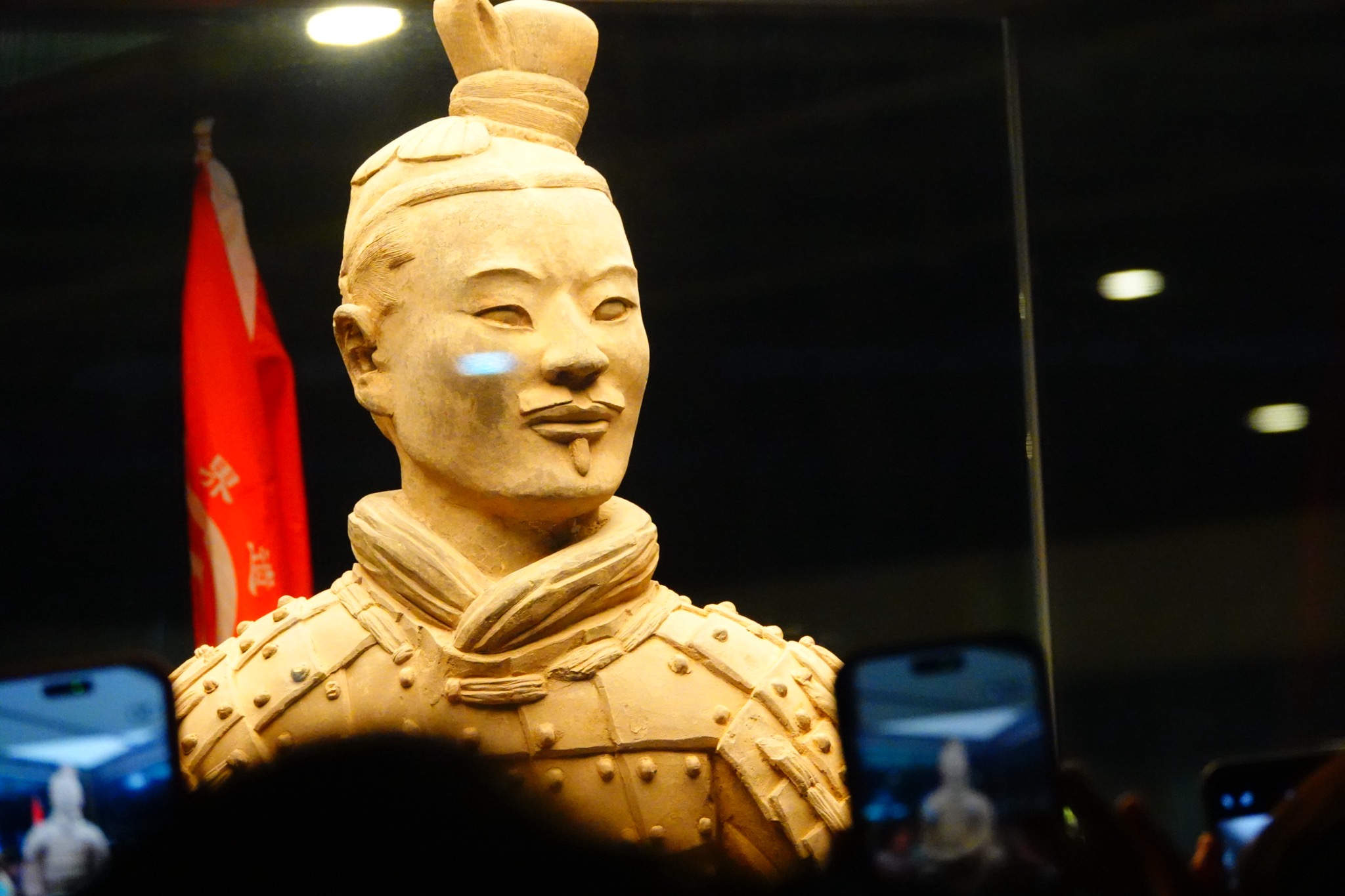
Still the clay warriors are a world class archeological site from 210 BC see notes at end.
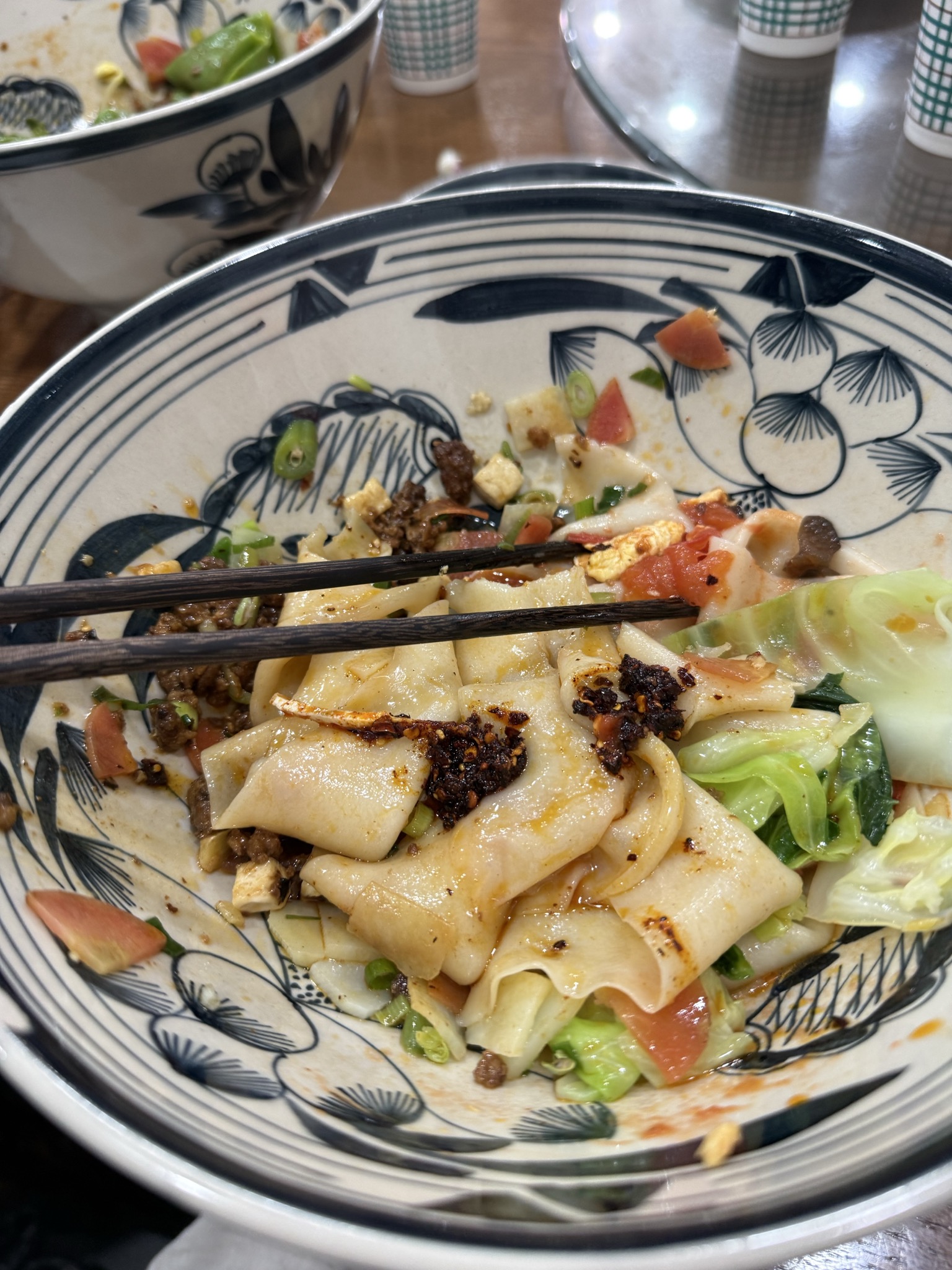
Shine then took us to a great local restaurant, nothing spectacular but we had the local papadelle style noodles. Not crowded and the advantage of a small group.
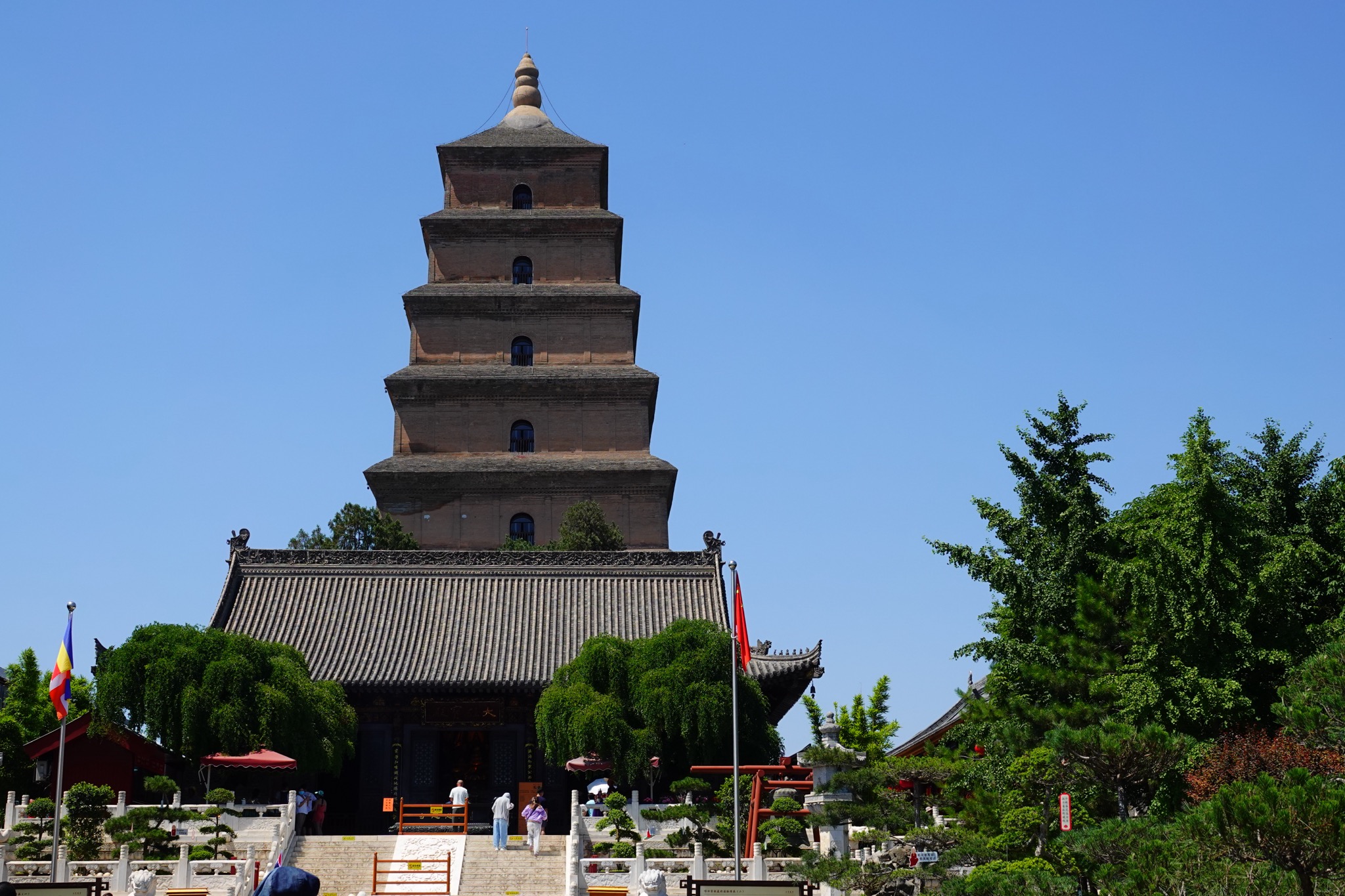
After lunch we went first to Wild Goose Pagoda a major Tang (600-900) AD shrine and then to the Moslem Quarter. The latter was essentially a couple of blocks of food stalls with the odd silver shop thrown in. Earlier we’d visited a jade shop but the best piece of jade we’d liked was in a smaller shop close to the hotel and still totally unaffordable.
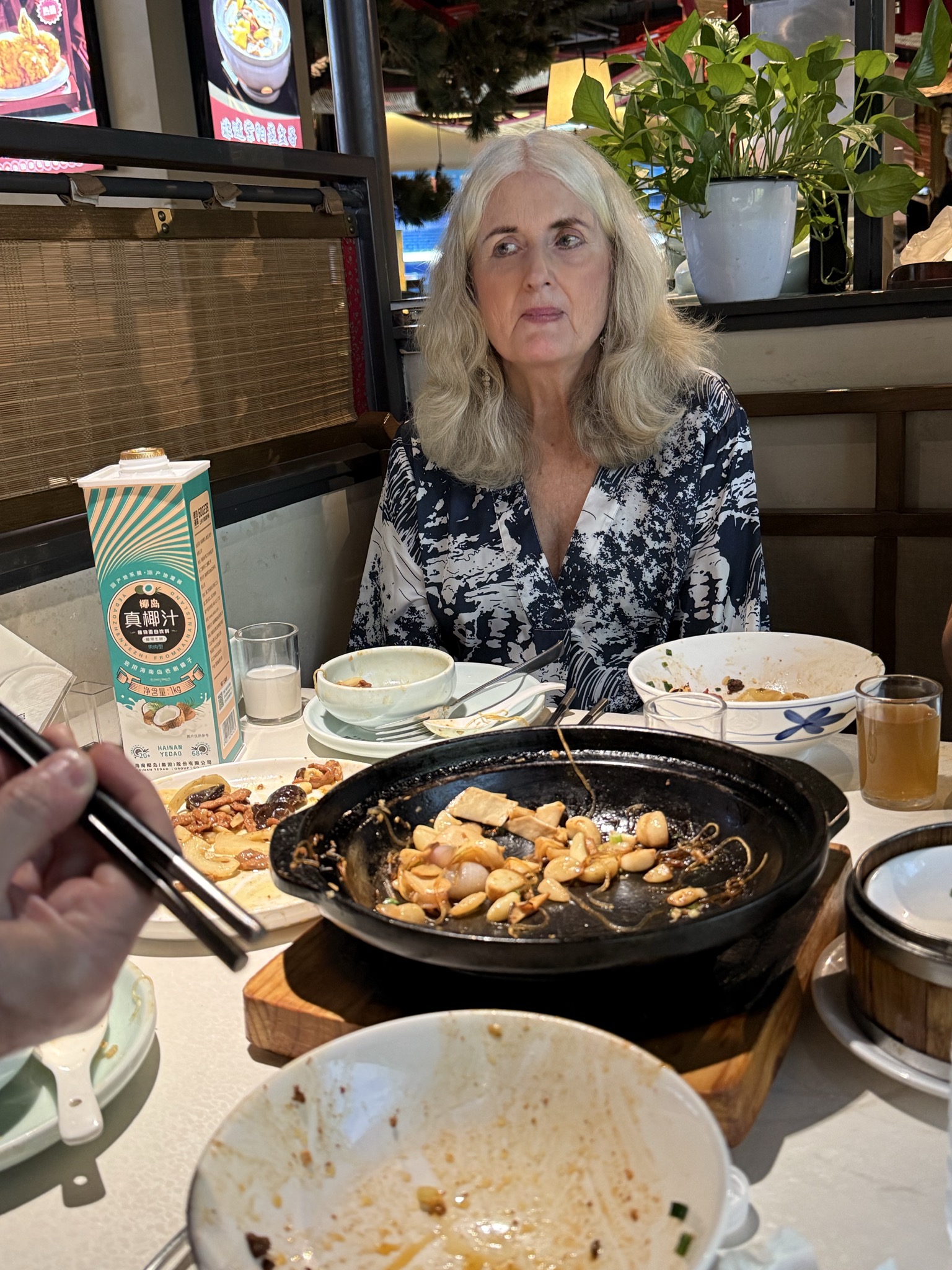
In the evening following Shines advice and using WeChat we walked to a lovely local restaurant with local delicacies including fried eggplant, prawns and garlic (delicious) and more noodles.
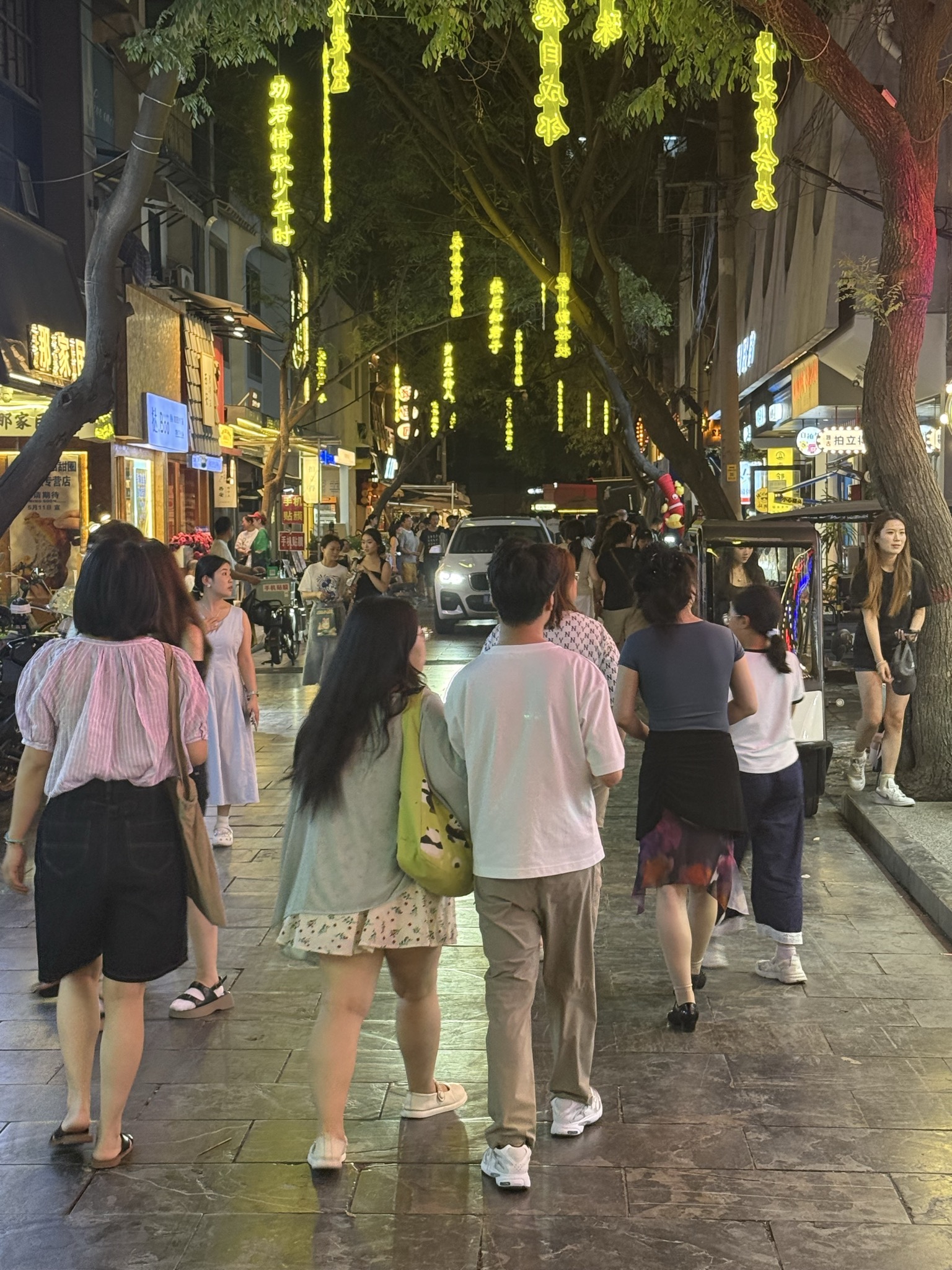
On the way back we discovered an absolutely charming nightlife street with all the usual market suspects and soft evening lights. Tomorrow a six hour train trip to Zhangye 1100 km away
Terracotta Army
Claude summarises thus:
The “tomb of the hidden warriors” you saw near Xi’an is the Terracotta Army, the buried guardian force for the mausoleum of Qin Shi Huang, the first emperor to unify China.
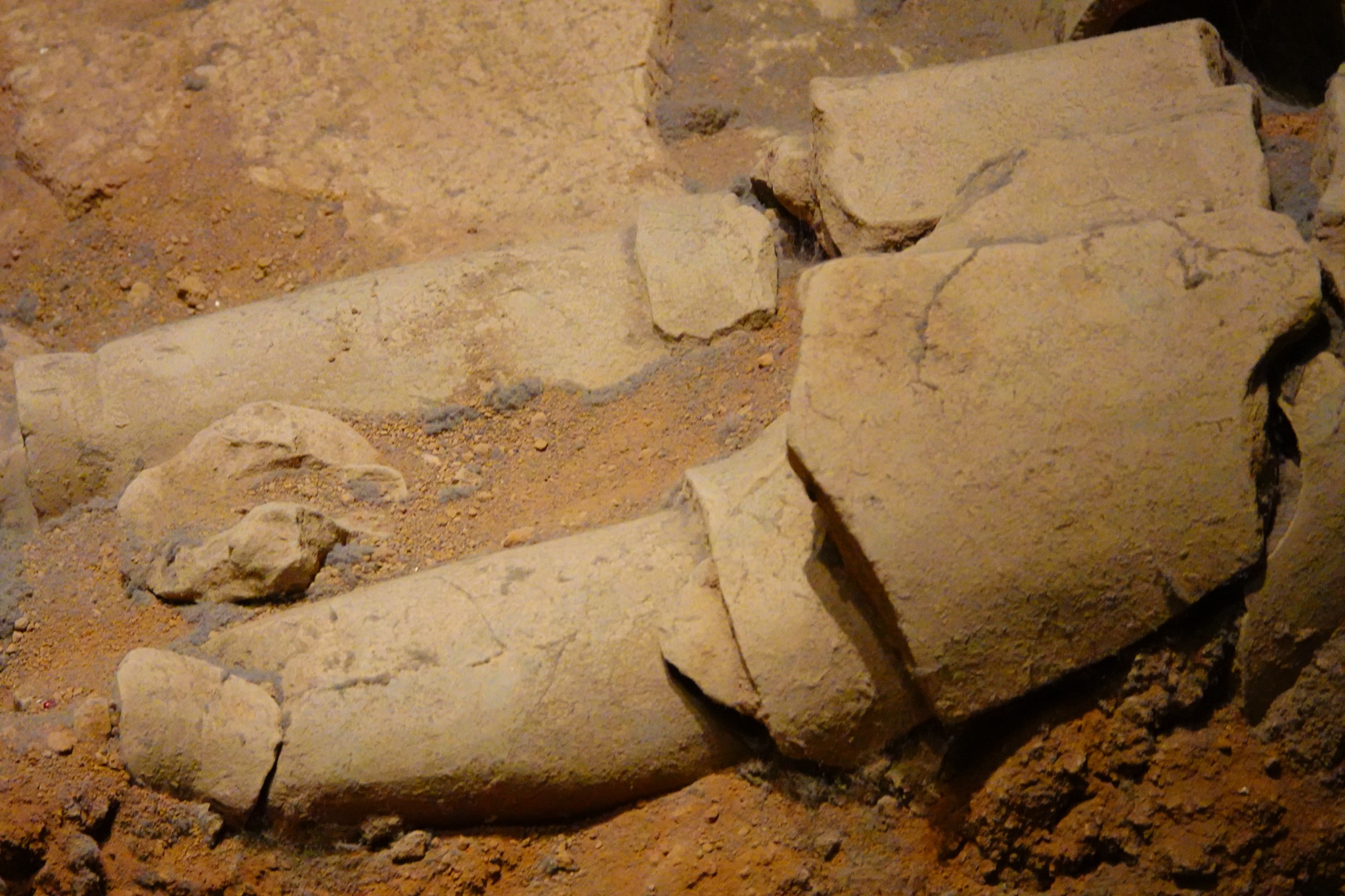
Age. The figures date to the late 3rd century BCE, around 210 BCE, when the emperor died. Construction of the broader mausoleum complex began about 246 BCE when he took the throne of Qin as a teenager and continued for decades, employing hundreds of thousands of laborers. So the statues are roughly 2,200 years old. They lay forgotten until 1974, when farmers digging a well stumbled onto them — one of the great accidental archaeological finds of the 20th century.
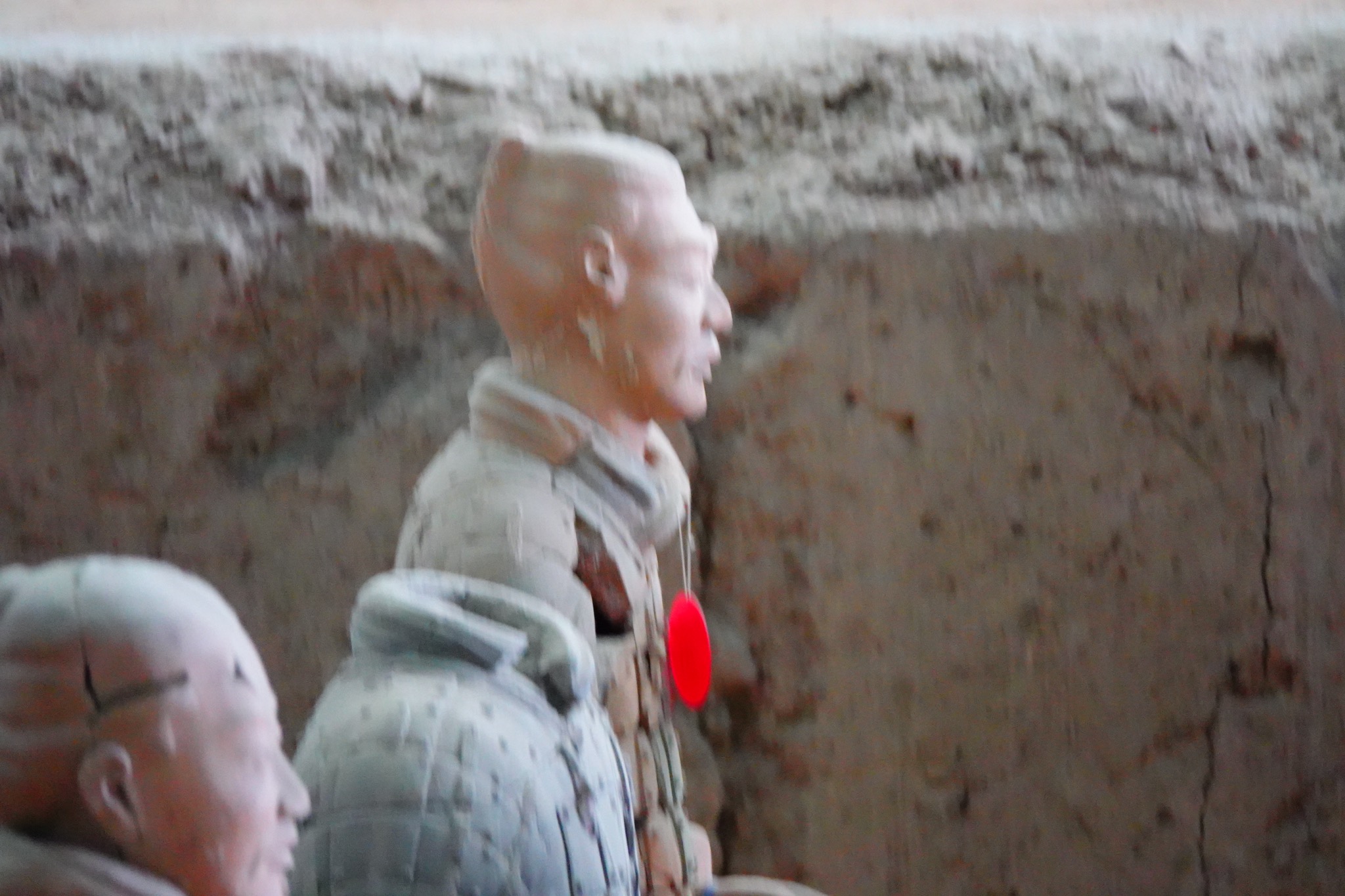
How they were made. They’re terracotta, meaning local clay shaped and fired in kilns. Production was essentially an early assembly line: legs (often solid), hollow coil-built torsos, arms, hands, and heads were made as separate components, frequently from molds, then joined and individualized. Craftsmen added unique facial features, hairstyles, armor detail, and expressions by hand, which is why no two faces are quite alike. They were originally vividly painted, but most pigment flaked away once exposed to air after excavation — a major preservation challenge still being worked on.
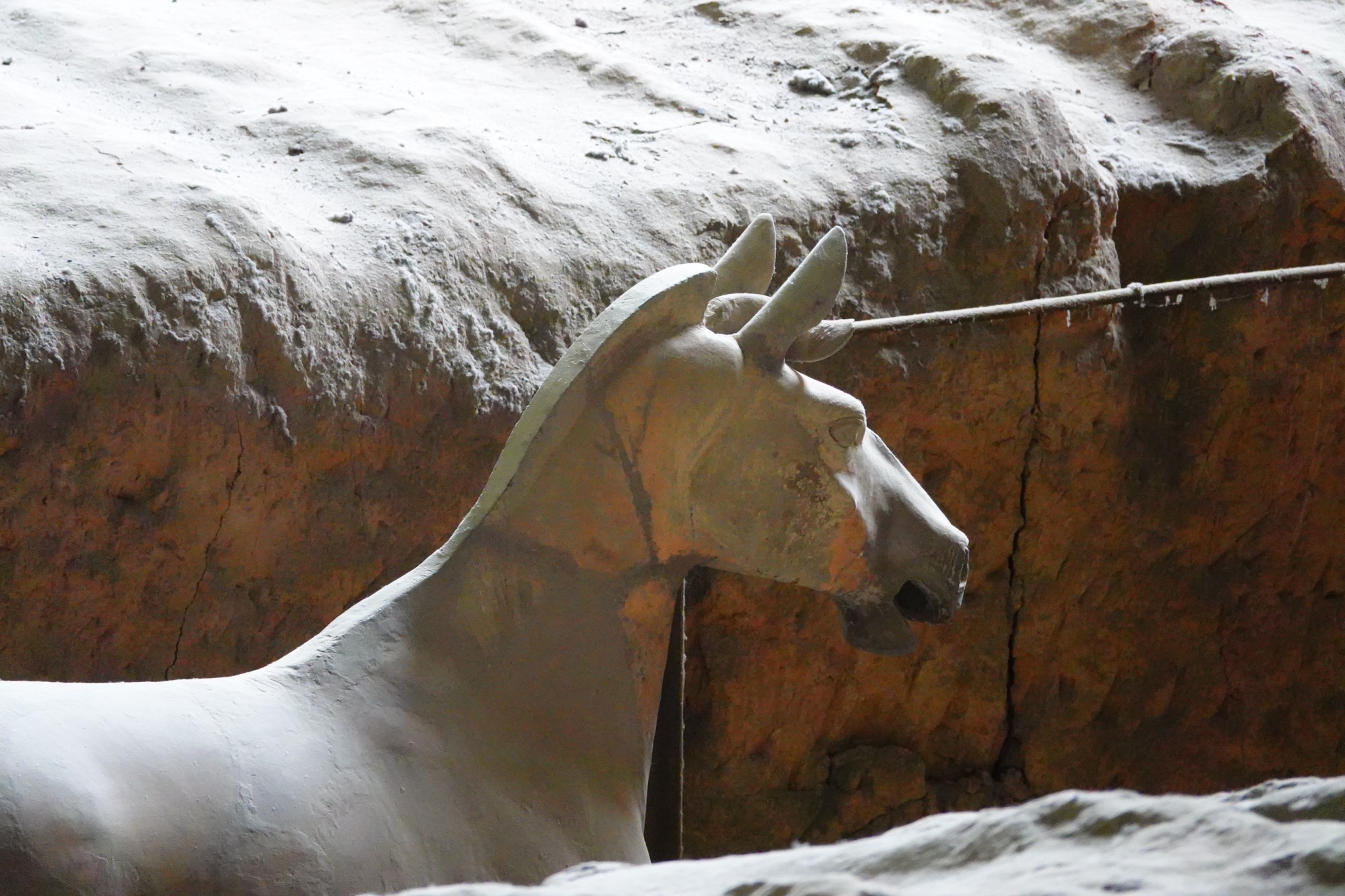
Scale and significance. Estimates run to around 8,000 soldiers, plus roughly 130 chariots, 600-odd horses, and figures of officials, acrobats, and musicians, arranged in battle formation in several pits. The purpose was to protect the emperor in the afterlife and project his power eternally, reflecting Qin-era beliefs about death and the remarkable organizational and manufacturing capacity of the unified state. It became a UNESCO World Heritage Site in 1987 and is regarded as one of the most significant archaeological discoveries in history.