Zhangye part 2
A good day of mountain tourism
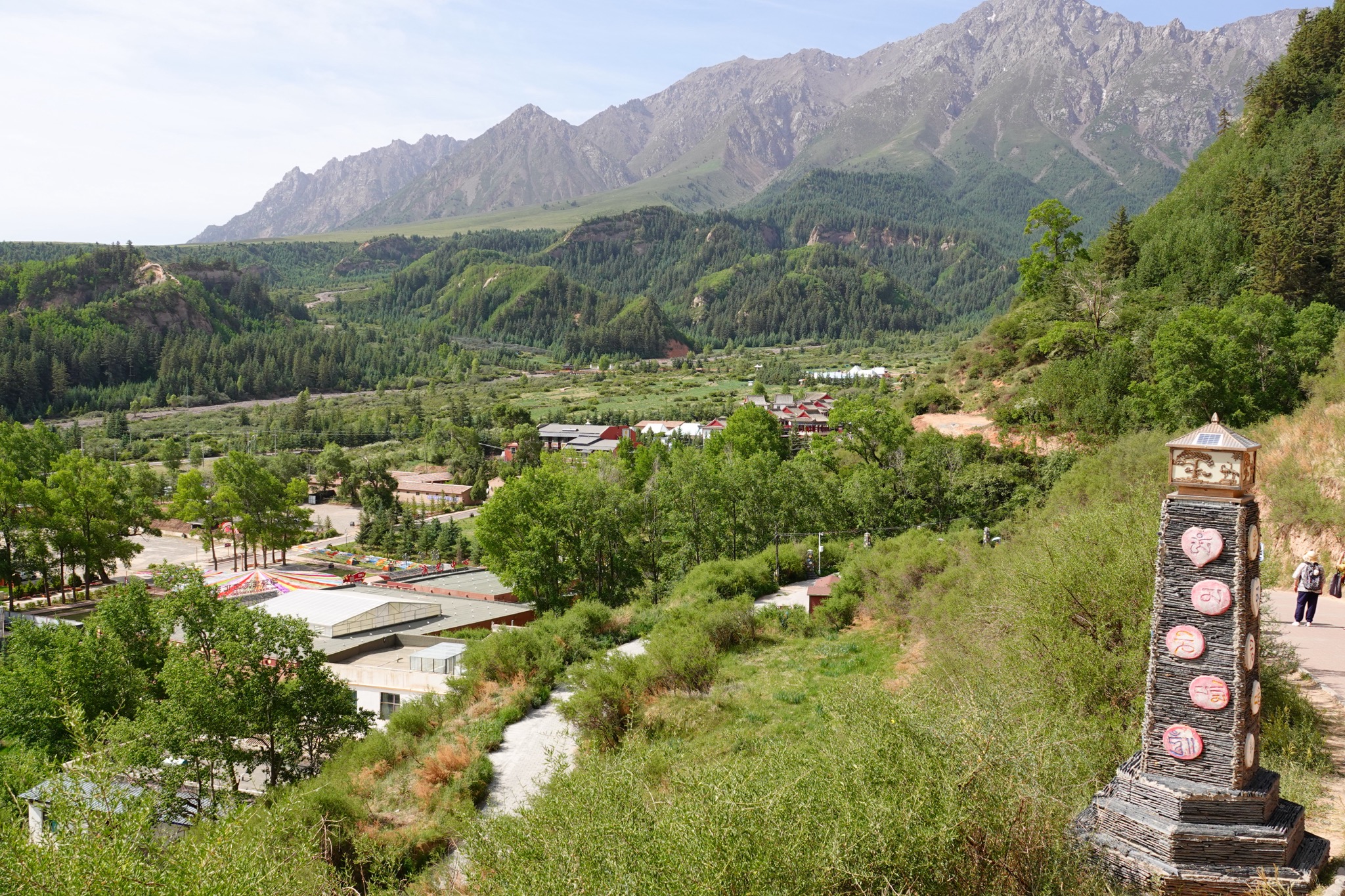
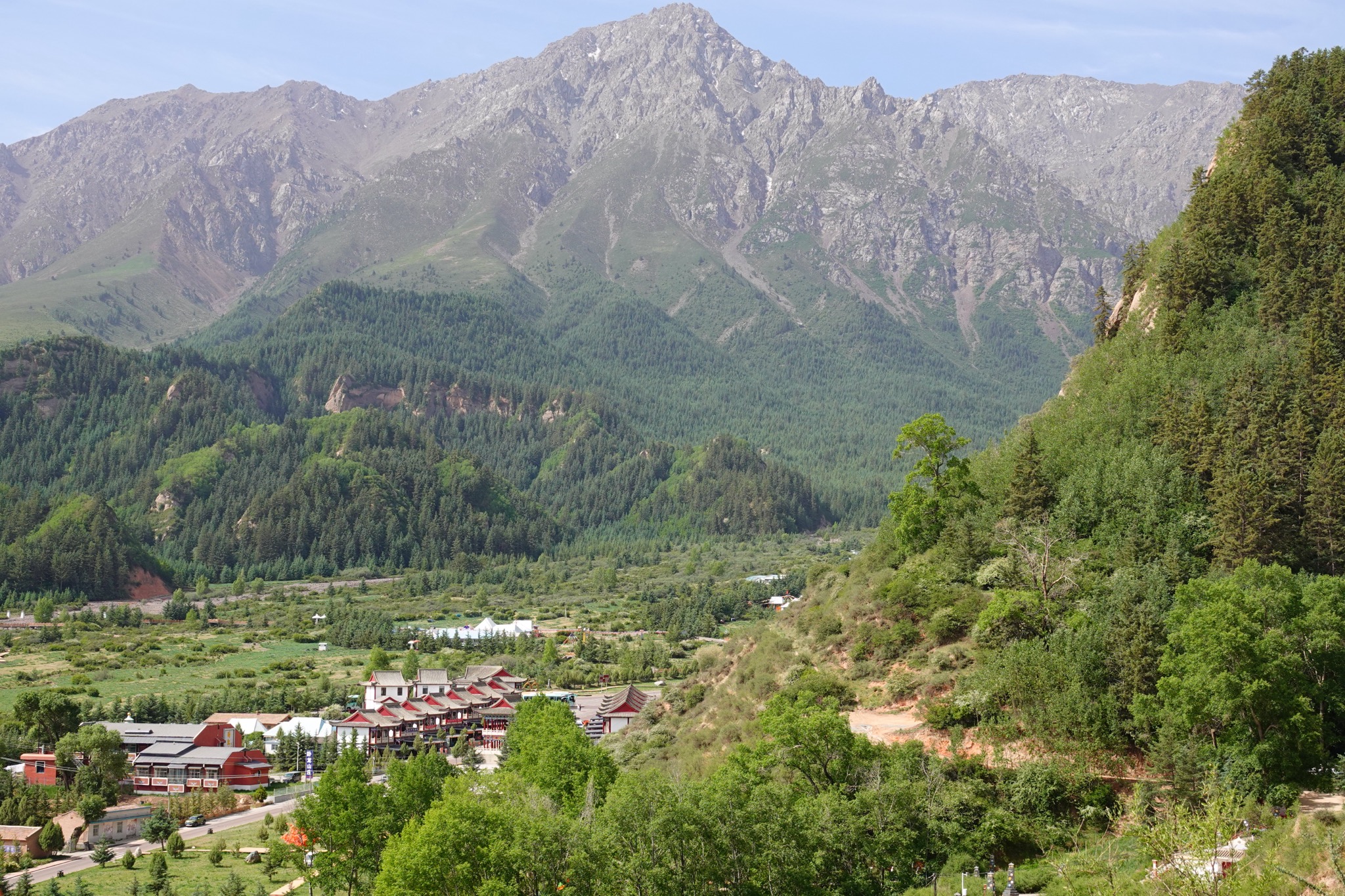
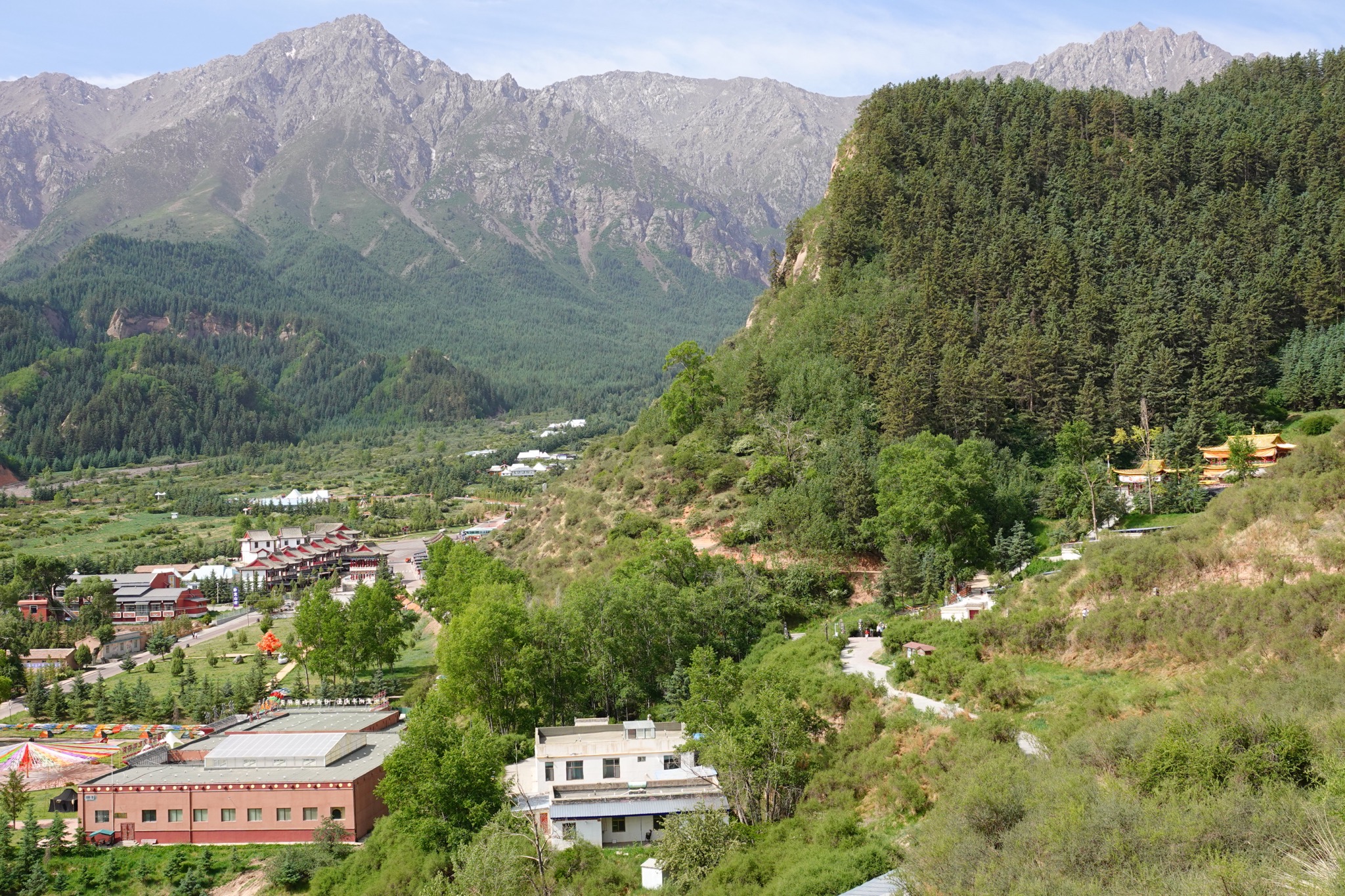
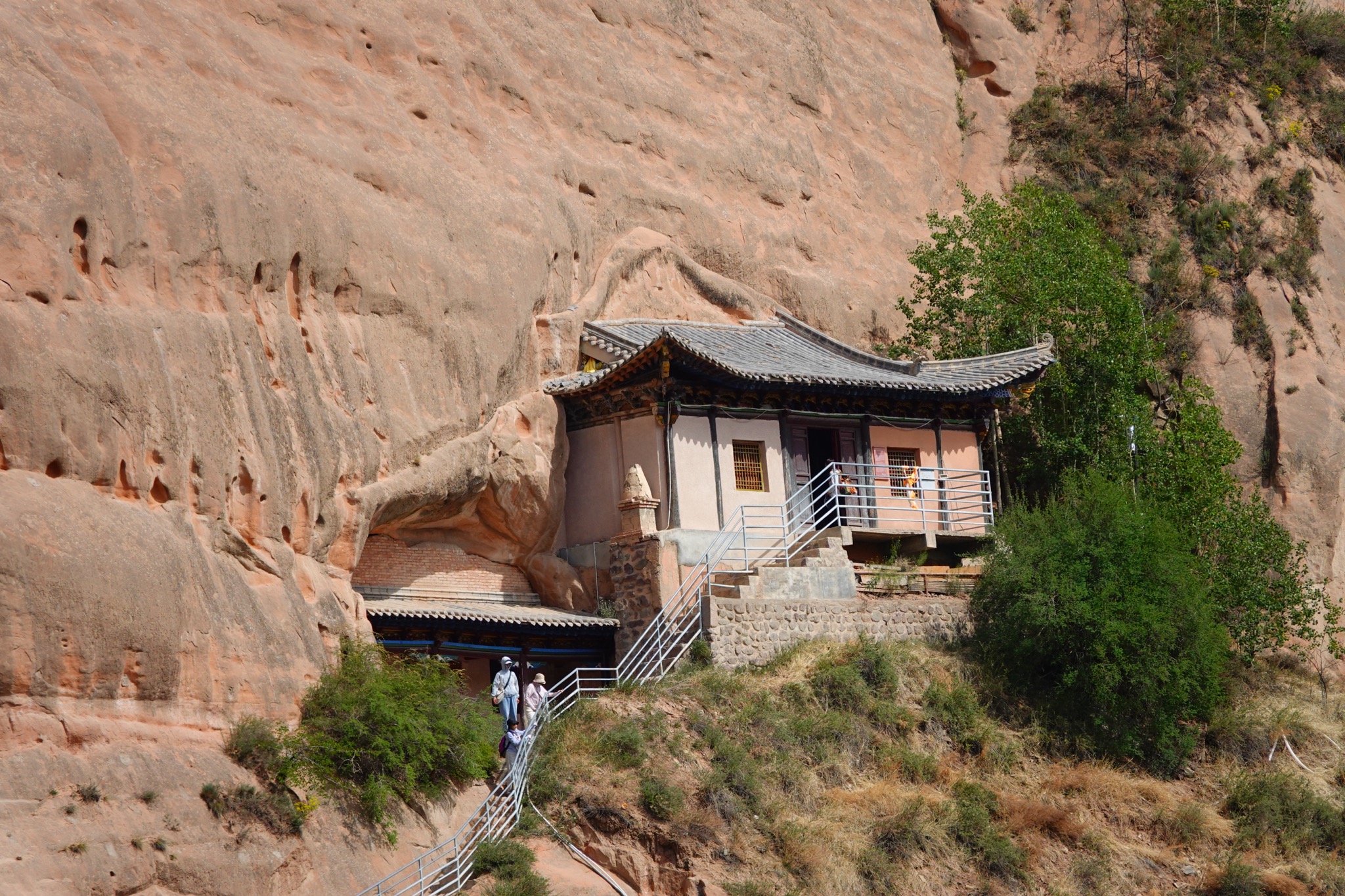
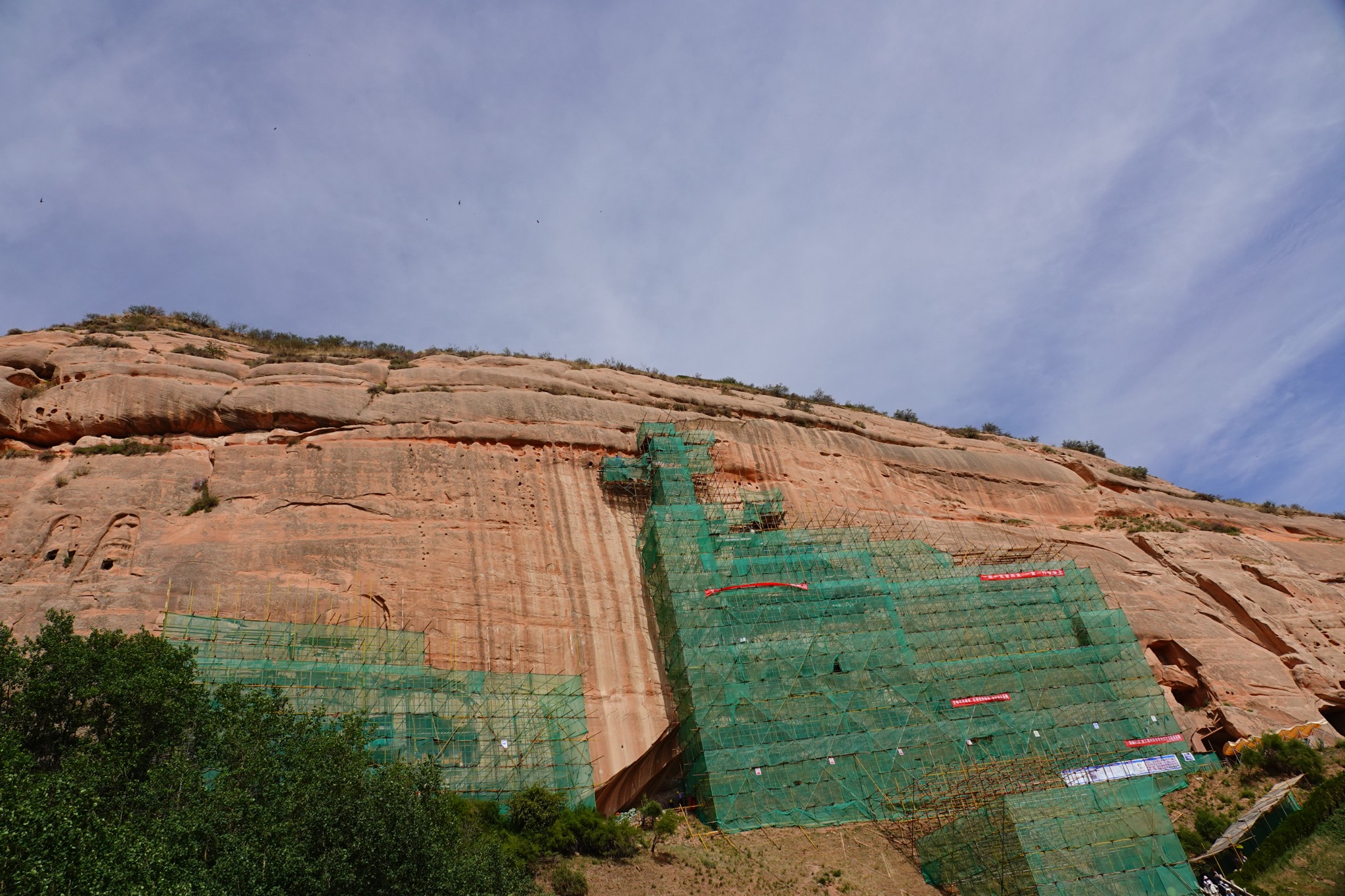
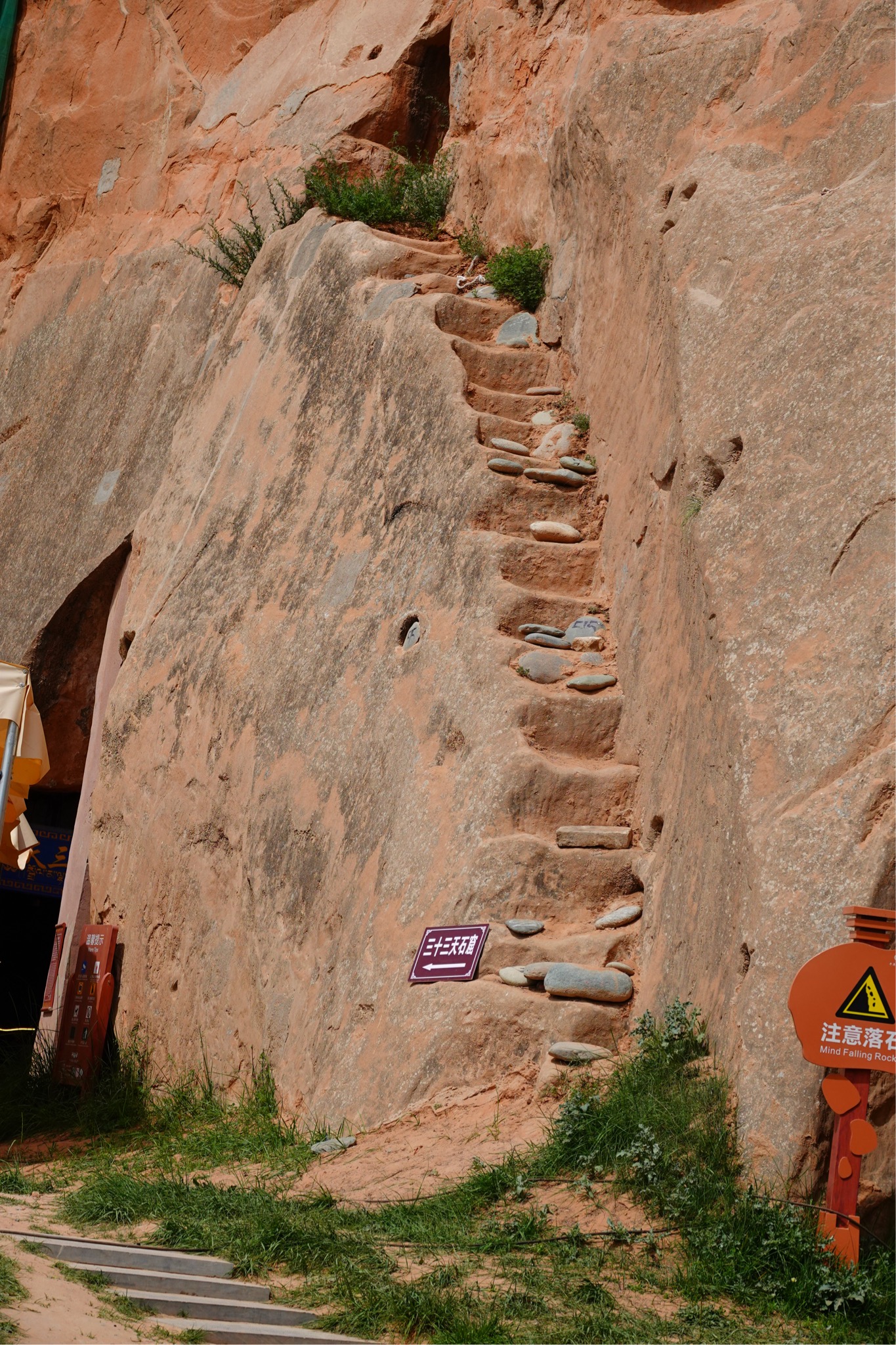
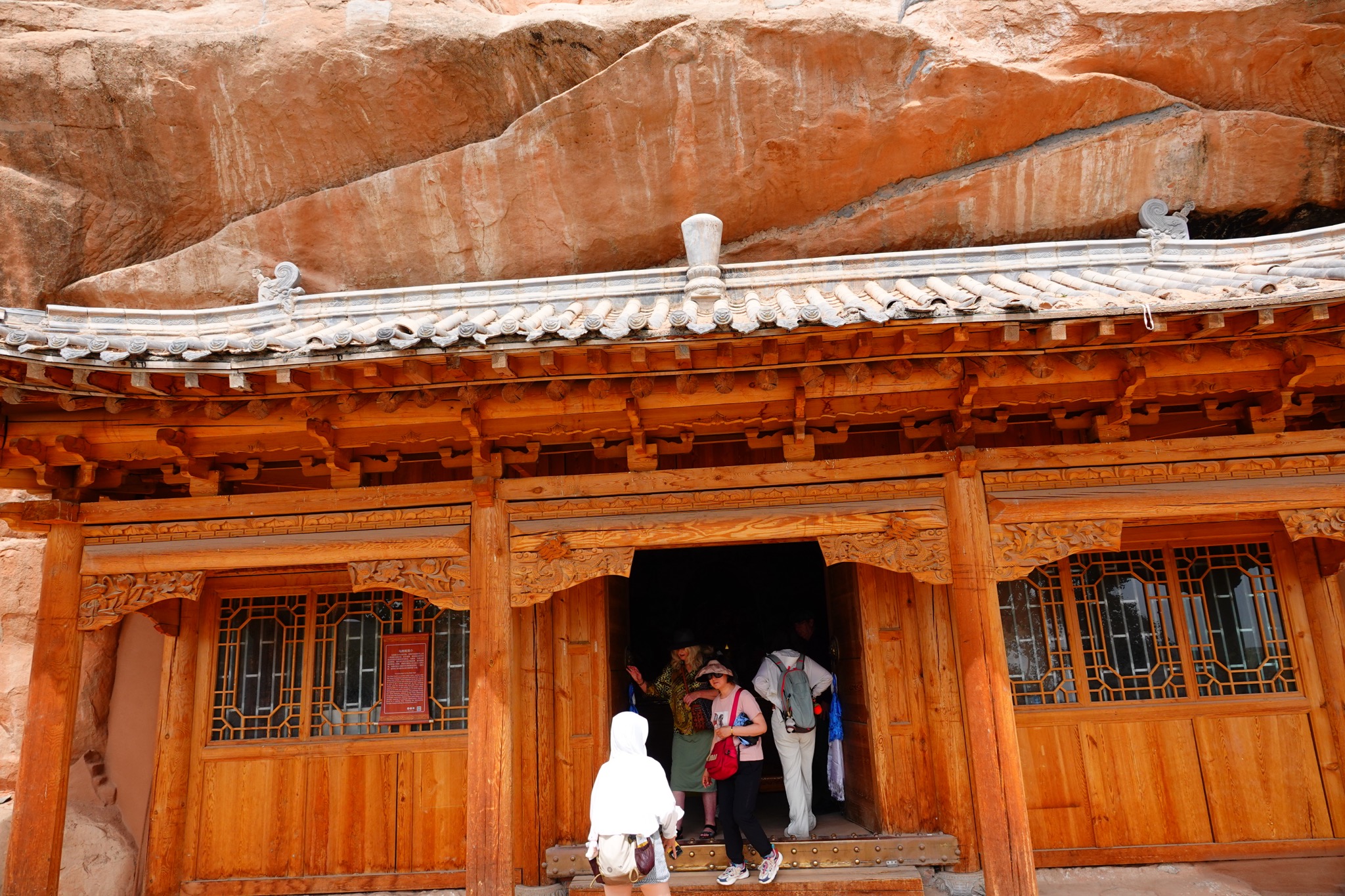
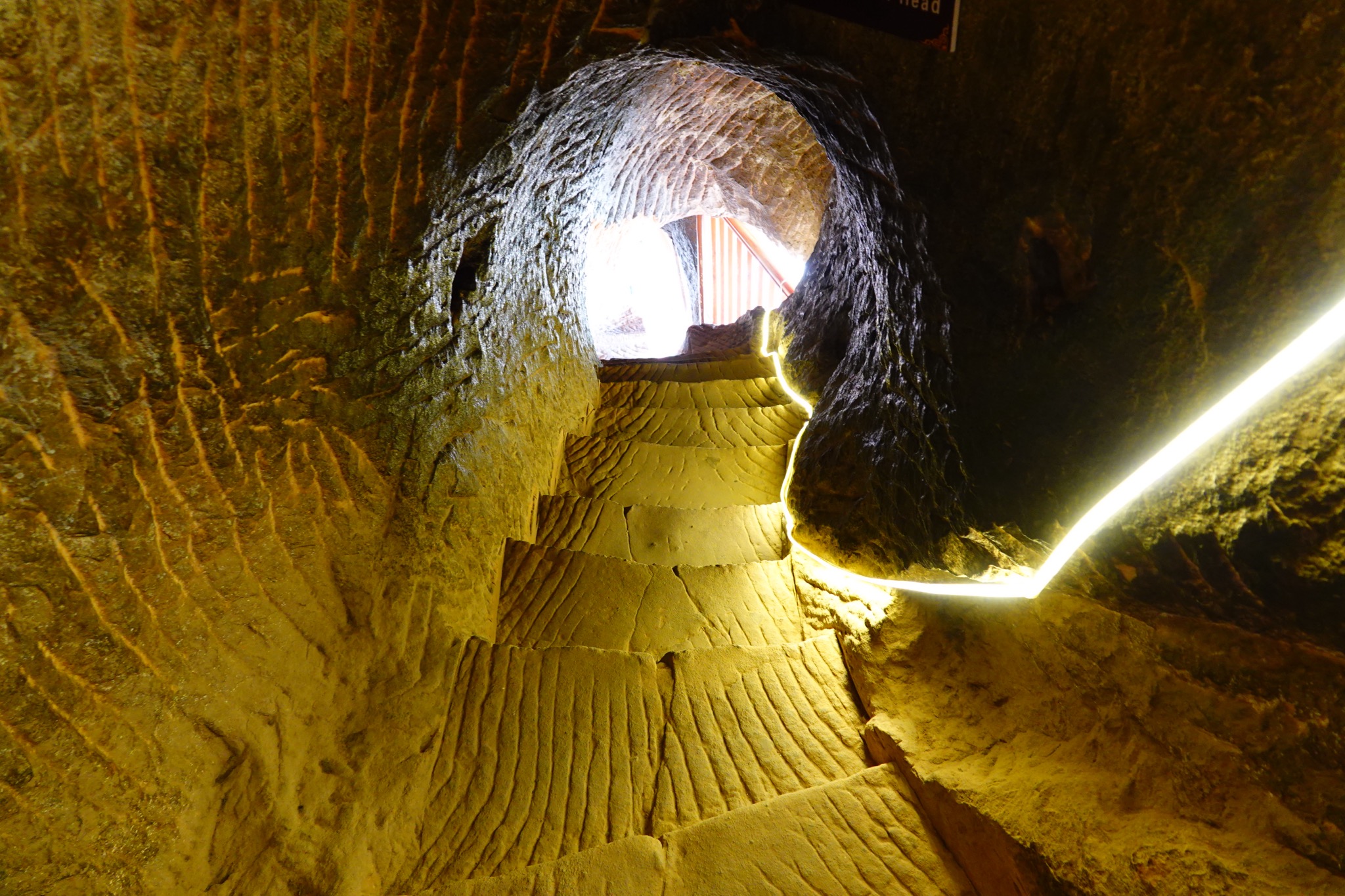
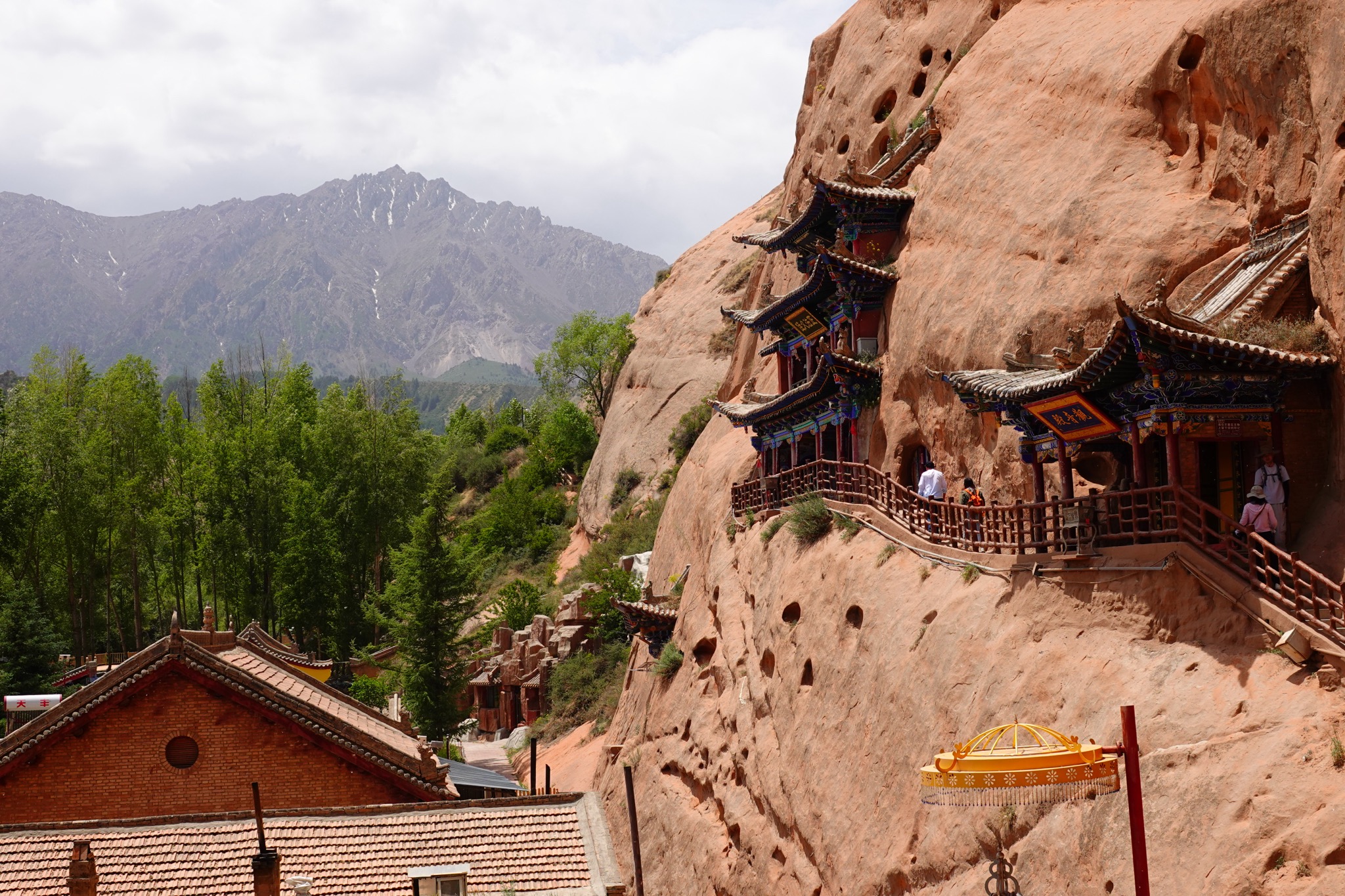
Today after a decent breakfast at Zhangye we took a 60 km trip up the Matai temple, 2200 metres up. Temperatures were cooler at altitude and although not particularly high I noticed it was harder heading up the steps, insertional tendinitis and all. As the Claude summary below states the temple has a very long history going back at least 1500 yeas representing one of the earlier incursions of Buddhism to China. Why you would want to dig all the caves in the rock is beyond me and climbing some of the narrow steps, well a little was enough.
In general though it was peaceful the mountain scenery is wonderful and so were the Tibetan influences.
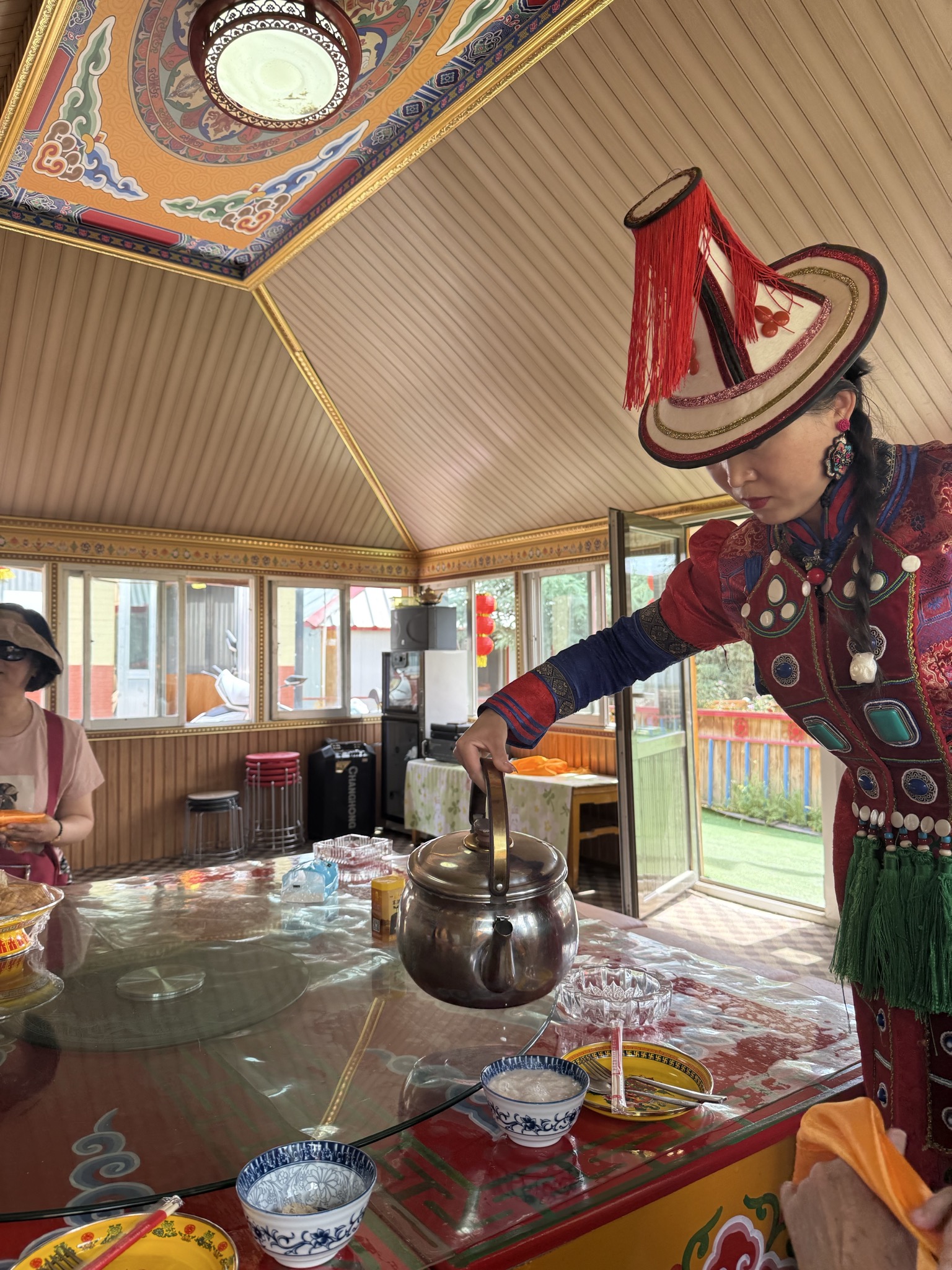
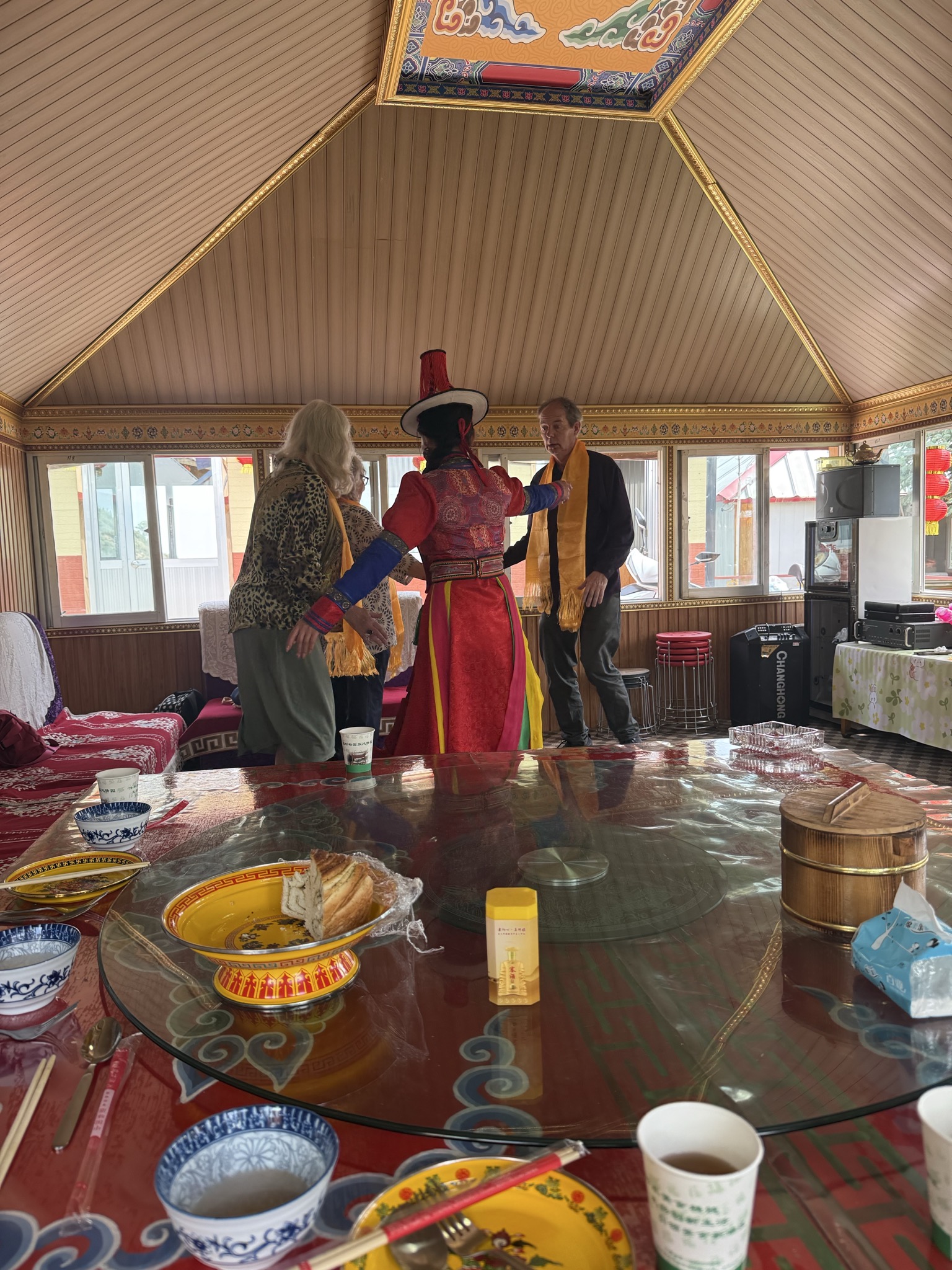
We were given a VIP lunch in our own room complete with Tibetan dancer/tea lady. She sang to each of us as she poured the tea, loud and clear. It was spiritually uplifting. Then after lunch the disco was turned up and everyone but me did some great dances. Unfortunately the videos too big for this website. Very enjoyable.
Then after lunch it was 2.5 hour drive to the Daxia mountain park. Although at 1700 metres it was hot and dry. Couldn’t keep the water up. The drive between the two destinations was on secondary roads across the valley through bits of desert and highly irrigated fields, Rocky Mountain streams and lots of little villages. I didn’t take any photos here as sitting in a back seat.
Arriving back at the hotel at 6:30 there was just time for a quick shower and then a restaurant across the road. I thought we had made a bad choice but actually the “mutton” chops were delicious highly spiced and salted as was the chicken and the cauliflower cooked at the table.
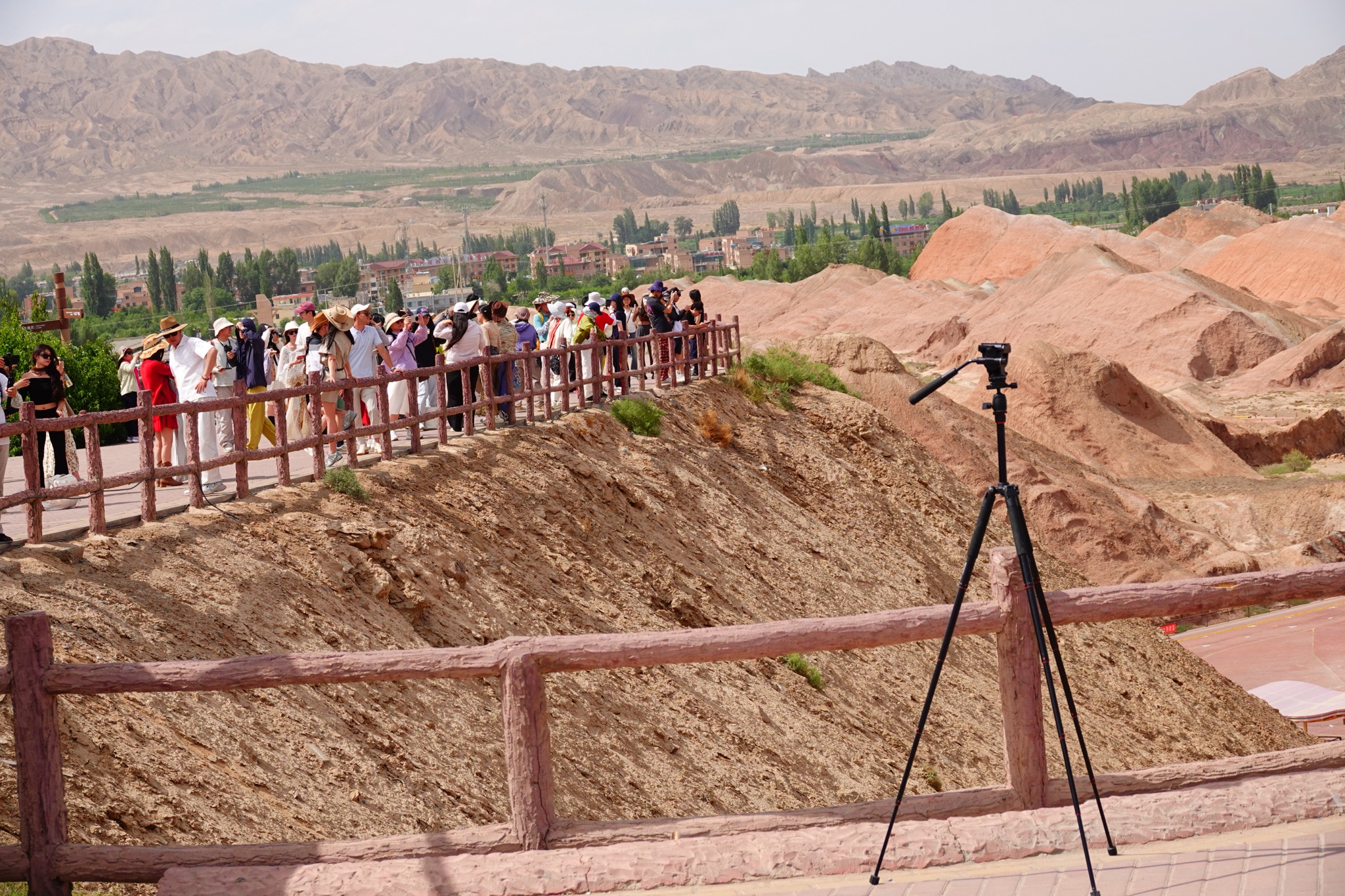
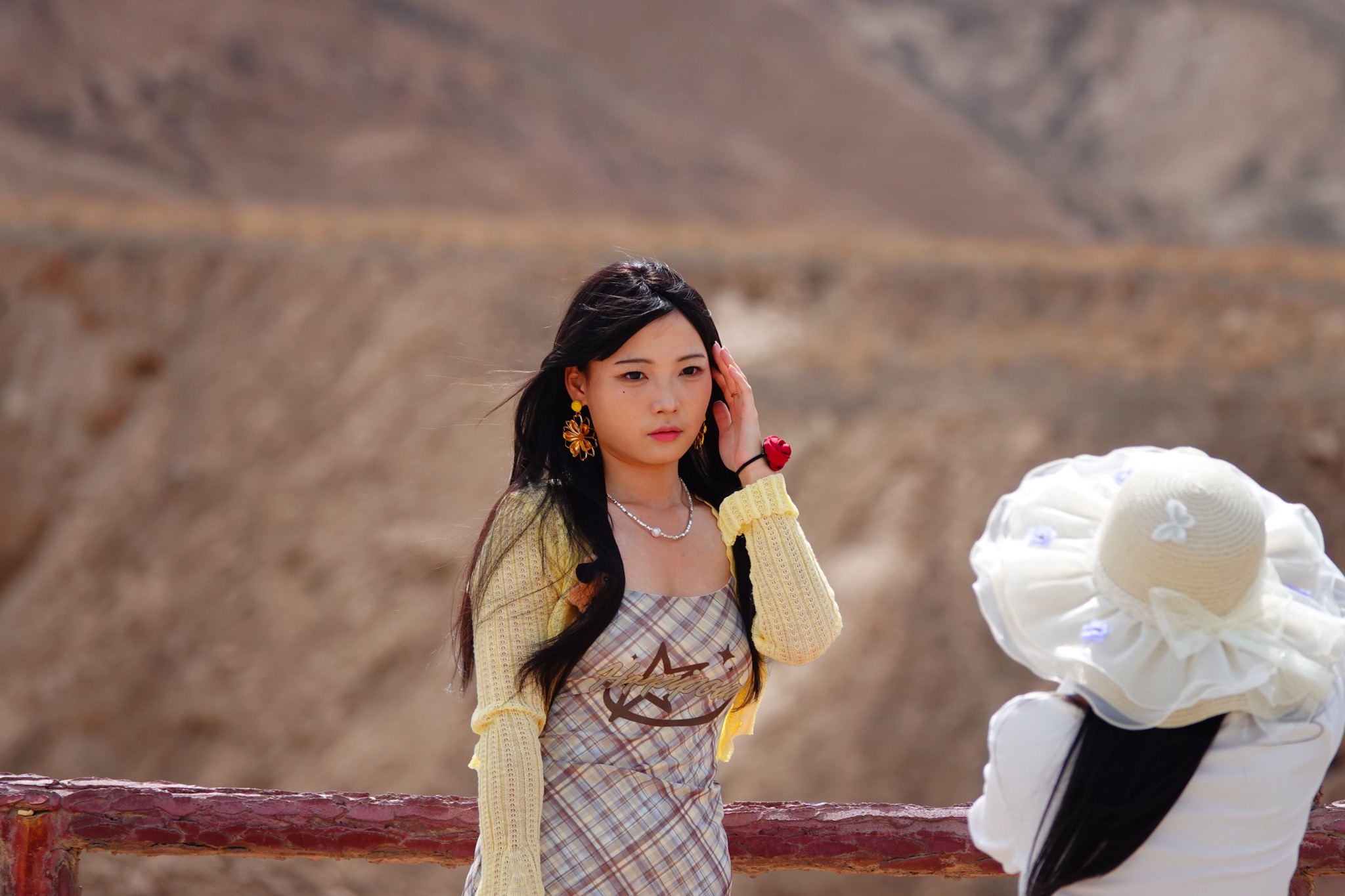
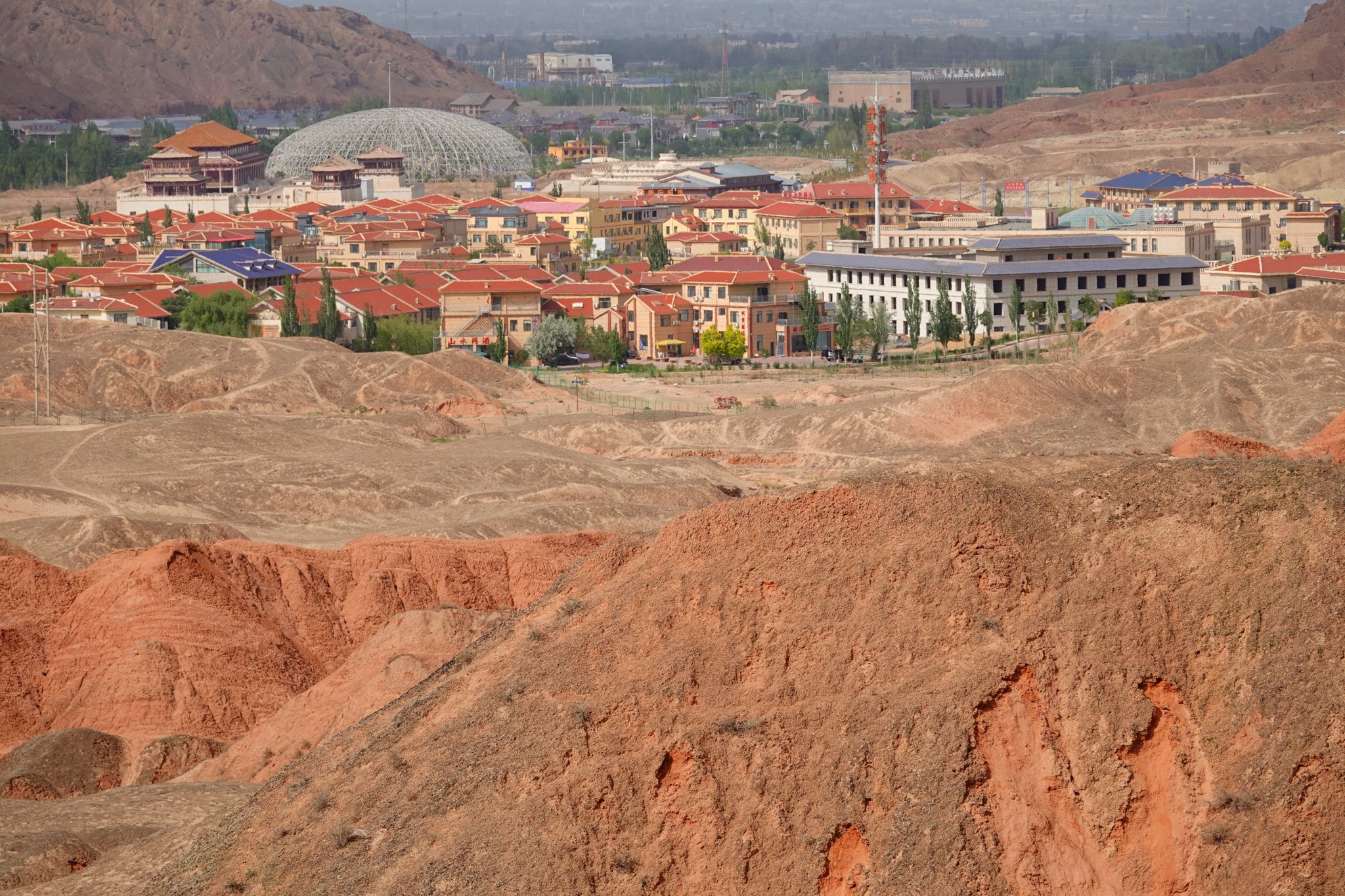
It was interesting at Danxia, although the younger girls dressed for the camera, some taking many photos of themselves and with tripods ets the over 25s dressed for the climate, sun suits hats, sun masks.
In general the cars are newish, main roads good, people enjoying their tourism. I was Tod average income for a government employee was maybe 6,000 RMB a month.
Matai Temple
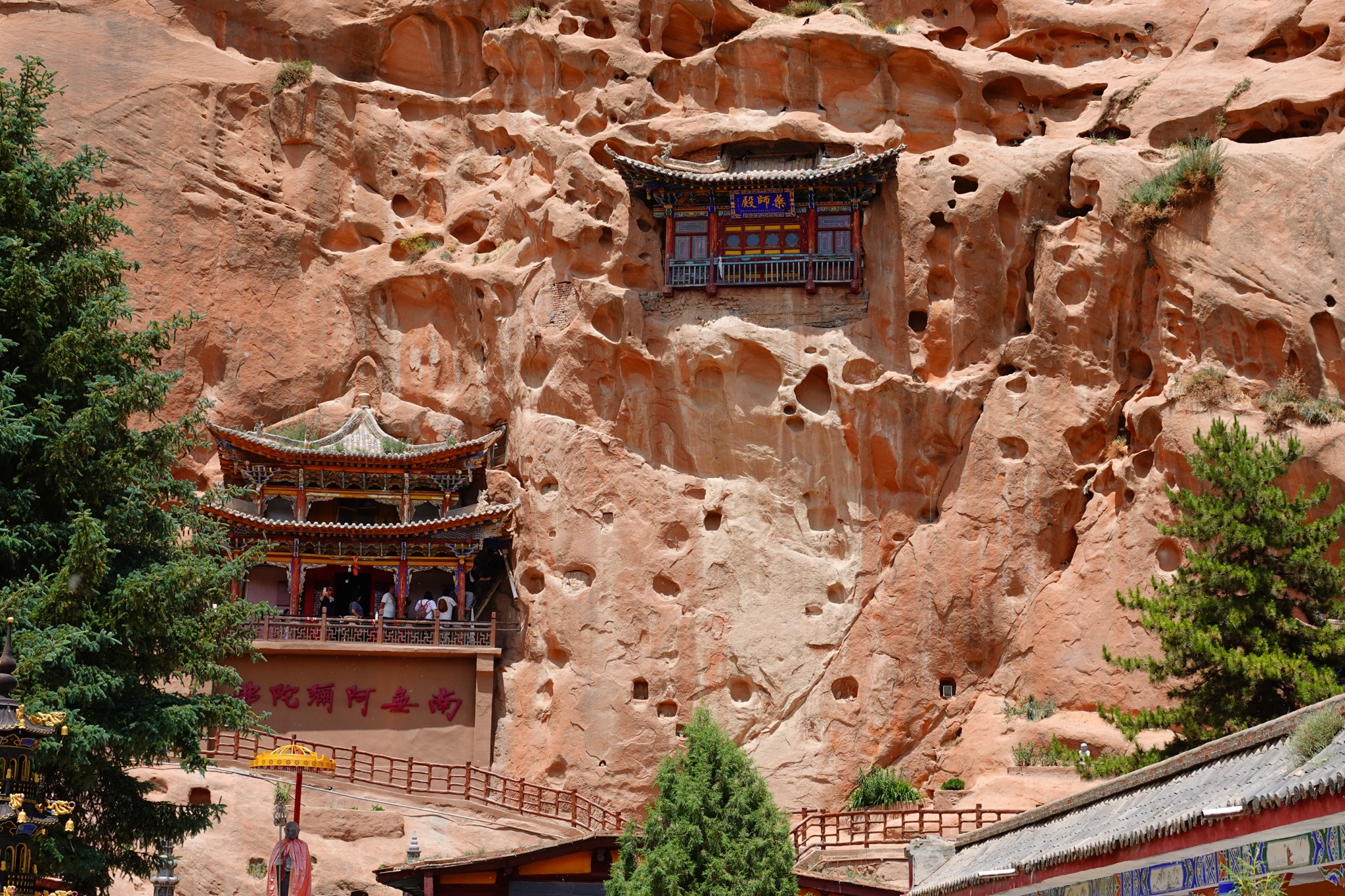
Mati Temple (马蹄寺, Mǎtí Sì — “Horse Hoof Temple”), about 65km south of Zhangye in the foothills of the Qilian Mountains, is a complex of Buddhist grottoes carved into red sandstone cliffs.
The story goes that a celestial horse left a hoofprint here, giving the temple its name. Its history dates back to the Northern Liang Dynasty (397–460 AD) , making it roughly 1,600 years old. It began as a Han Chinese Buddhist monastery, traced to the Jin-era scholar Guo Yu, who retreated to the cliffs to live in caves, teach, and lead disciples in carving the first grottoes.  Over the following centuries it accumulated layers from successive dynasties — Northern Wei, Sui, Tang, Western Xia, Yuan, Ming — and gradually took on a Tibetan Buddhist character alongside the Han one.
[image_search: Mati Temple Zhangye Thirty-three Heavens grottoes cliff]
Its significance comes down to three things. It’s considered one of the three great Buddhist cultural sites of the Hexi Corridor, alongside the Mogao Caves and the Yulin Caves.  Artistically, the grottoes preserve over 500 sculptures spanning seven dynastic periods and more than 1,200 square metres of murals . And historically it stands as a witness to the ethnic and cultural integration of the Hexi Corridor along the Silk Road, where monks first settled to preach Buddhism into China.
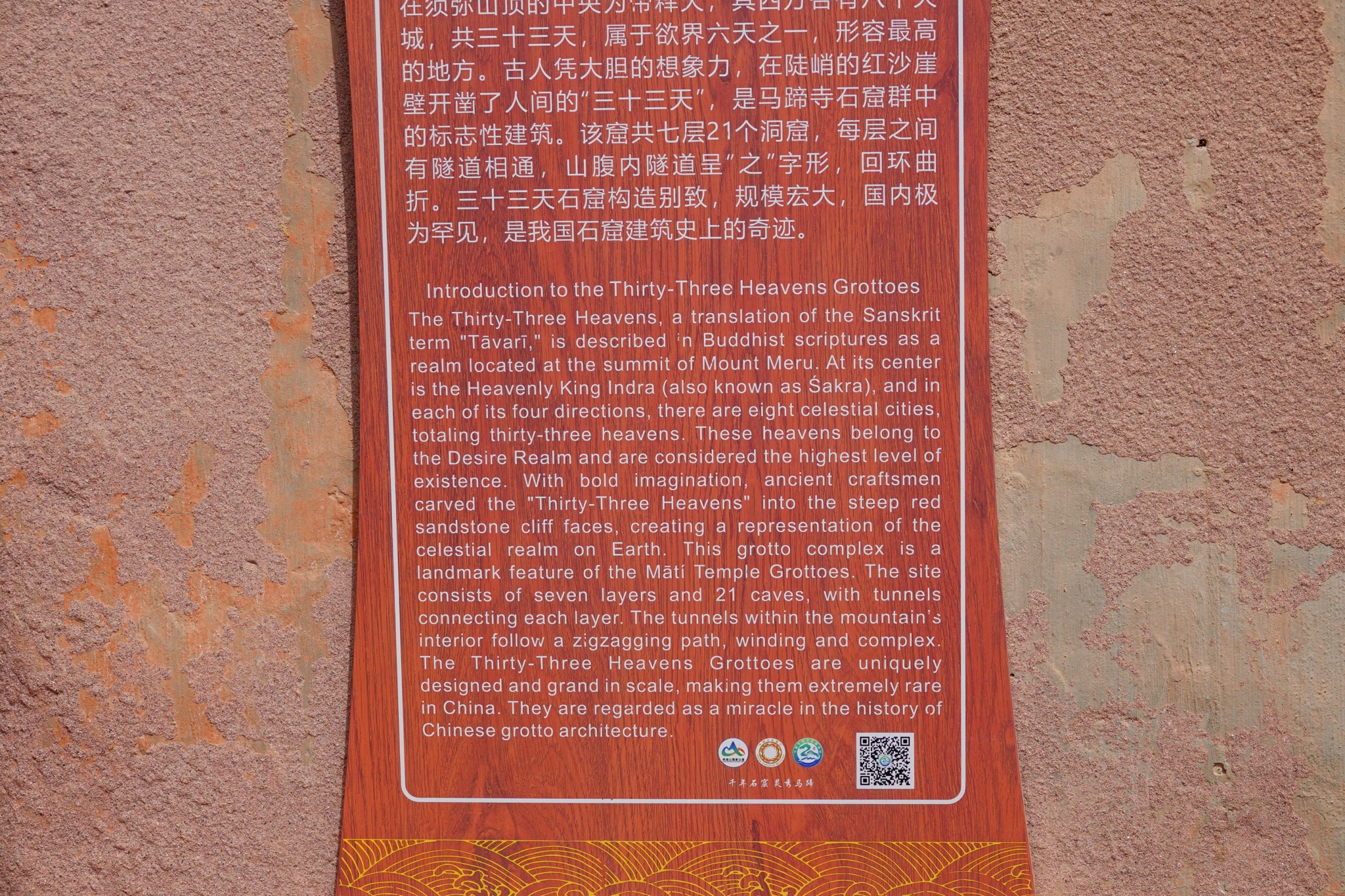
The standout feature is the “Thirty-three Heavens” grottoes — caves carved in tiers in the shape of a pagoda, requiring you to climb steep, narrow passages using both hands and feet . It represents the Buddhist heaven of Trayastrimsha.
Practical note for your itinerary: most visitors spend about 3–4 hours here , and the surrounding Qilian foothills offer good hiking with views over the Hexi Corridor — worth budgeting time if the weather holds.
Zhangye Daxia National Geopark (claude summary)
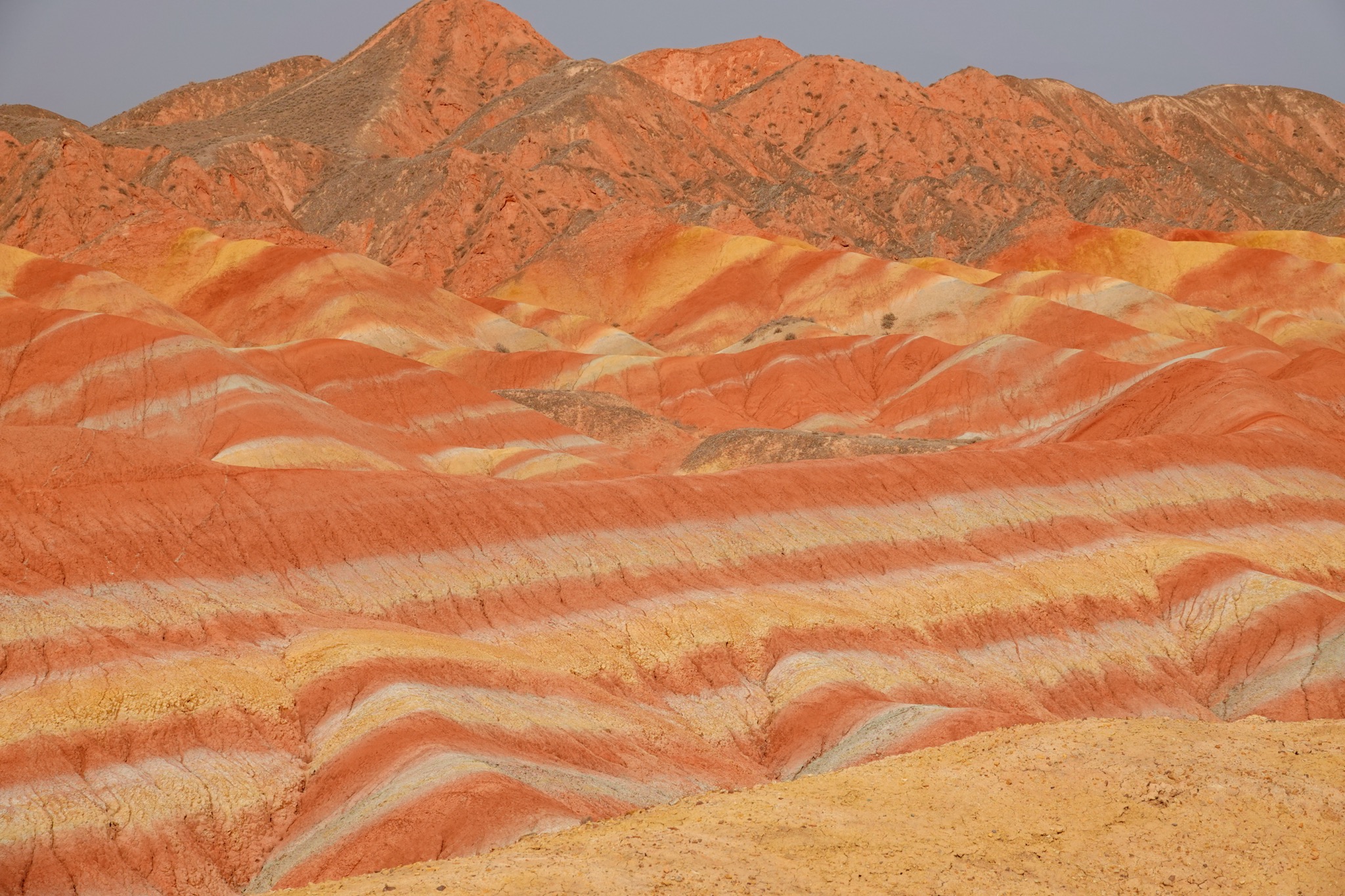
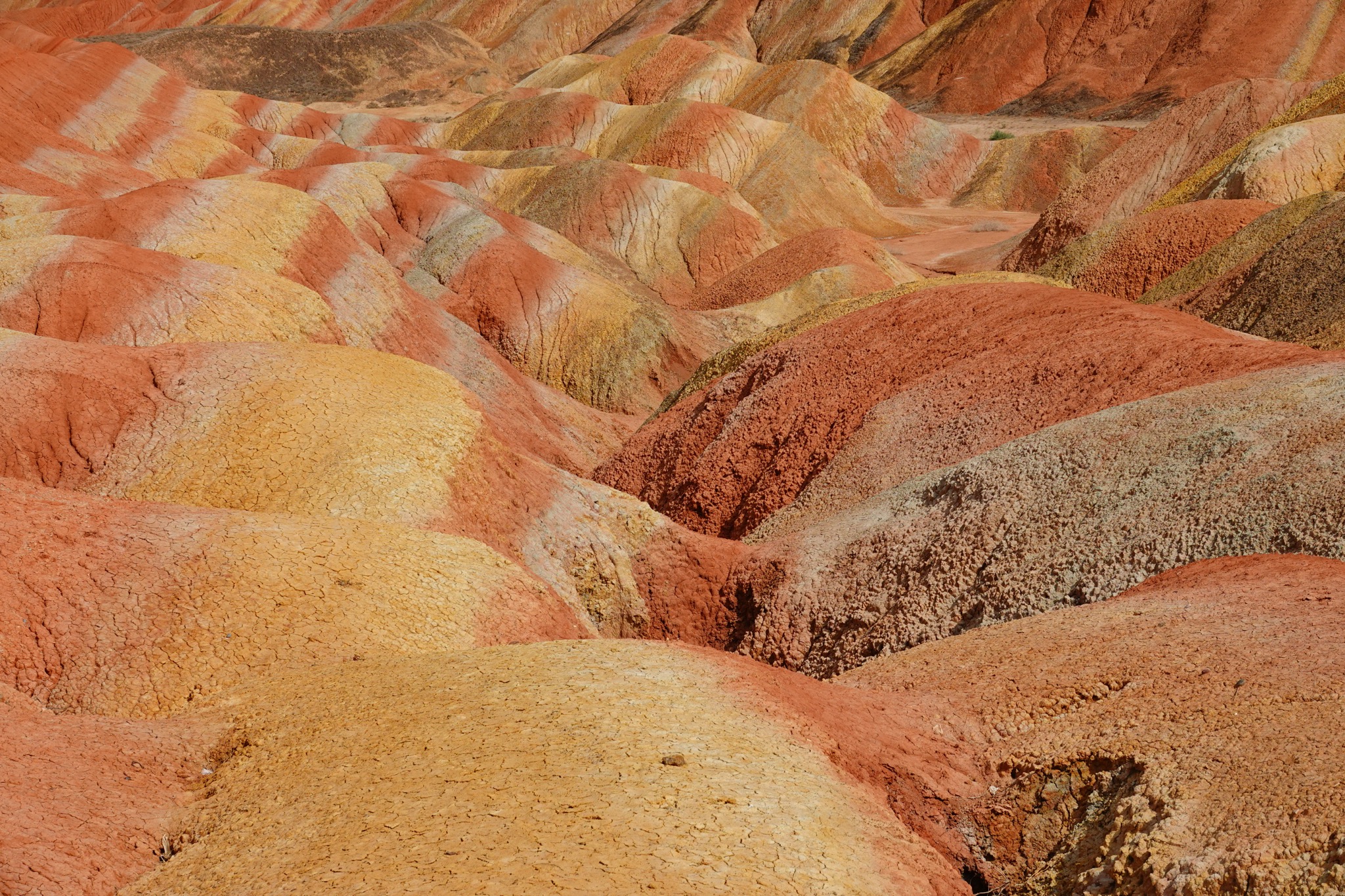
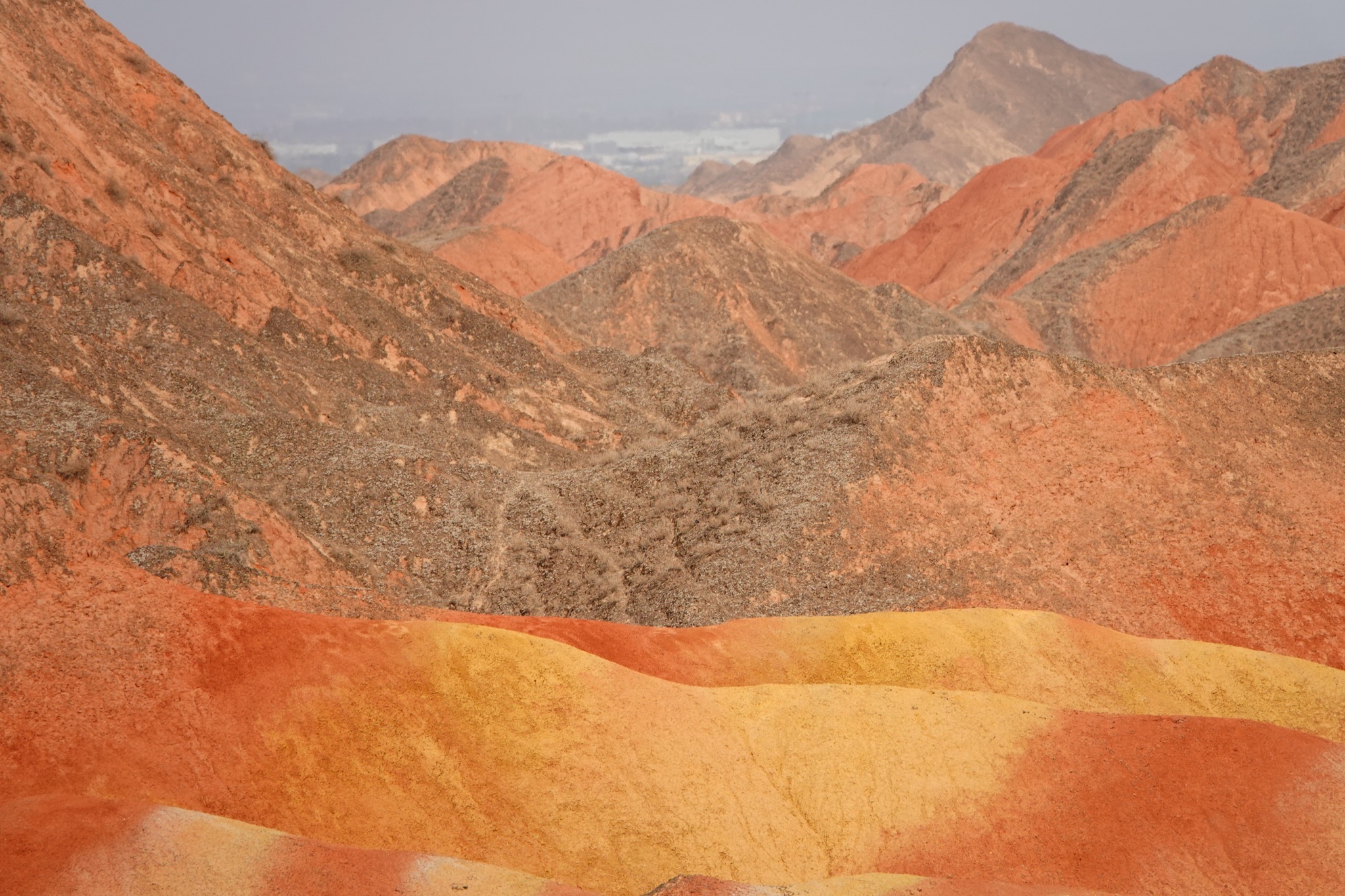
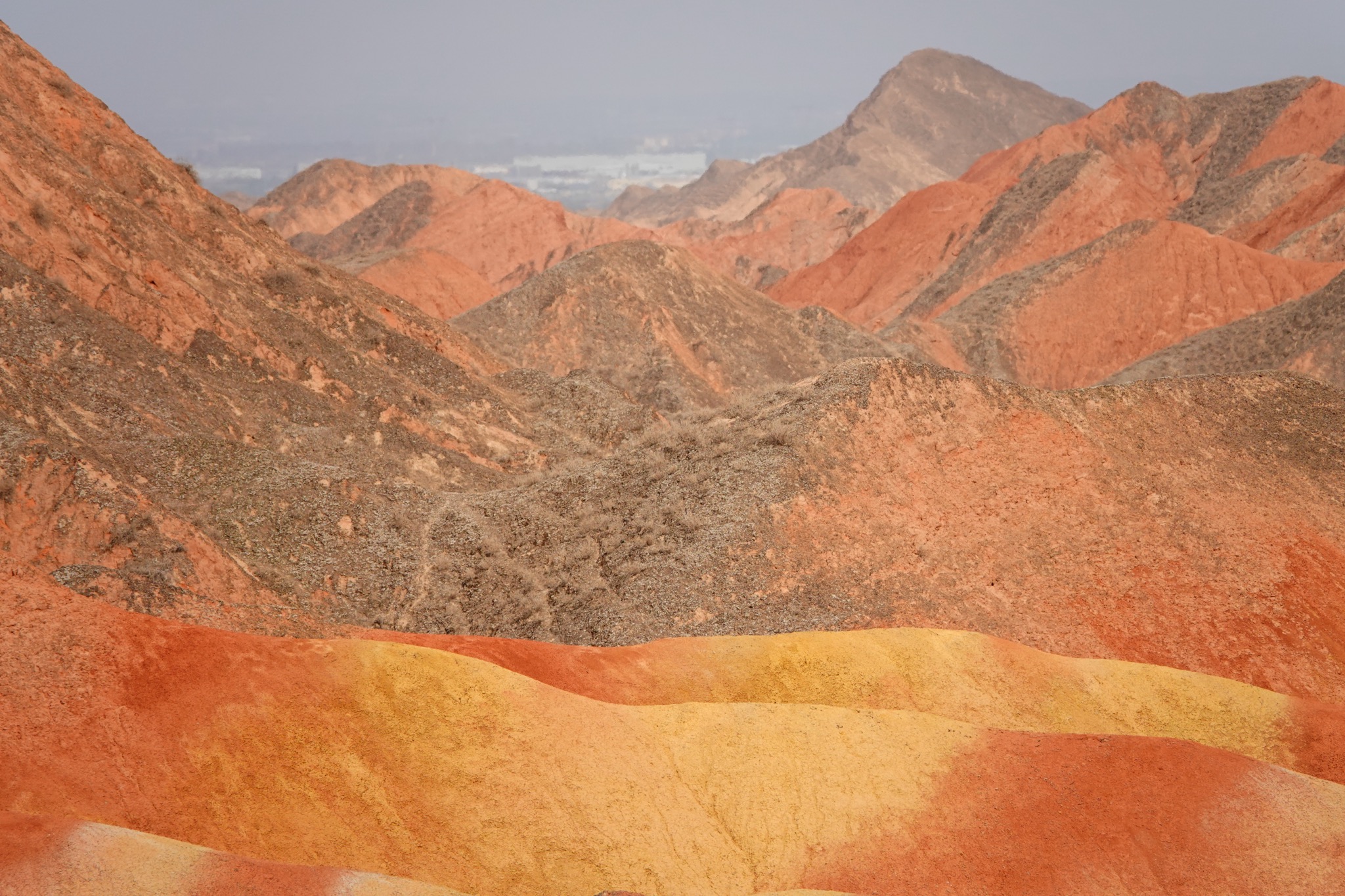
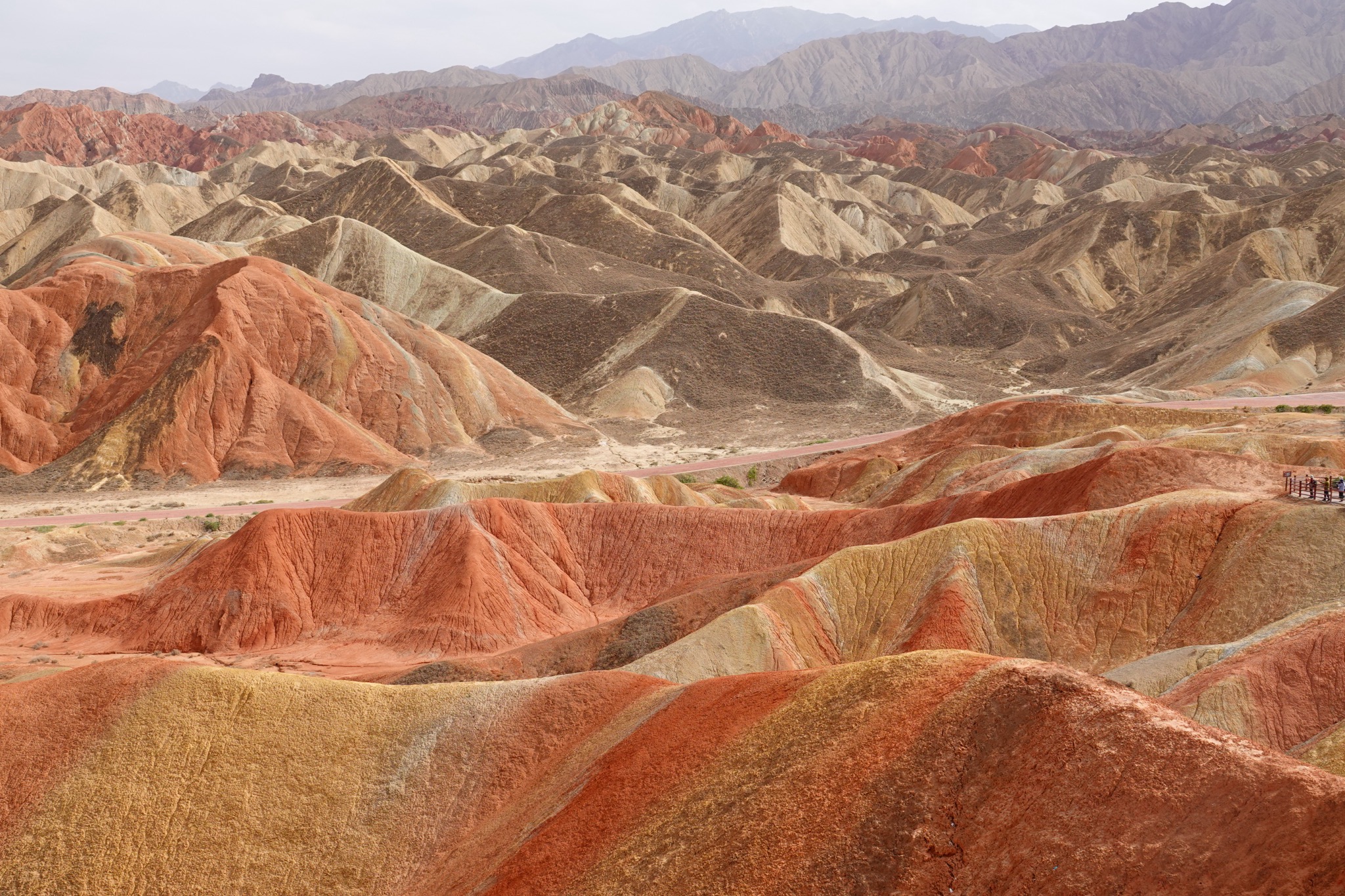
Zhangye Danxia National Geopark sits in the foothills of the Qilian Mountains near the old Silk Road town of Zhangye, in Gansu Province. It is celebrated for its striking Danxia landforms — vibrant, multicolored rock layers known as the “Rainbow Mountains”  — spanning Linze and Sunan counties over roughly 322 square kilometres. The colours come from mineral-rich sandstone and siltstone laid down in the Early Cretaceous and later tilted and eroded into rippling, striped ridges; the effect is strongest at low sun or just after rain.
Its significance is both geological and cultural. The formations originated from Early Cretaceous sediments dating back 114 to 106 million years, uplifted and tilted by the collision of the Indian and Eurasian plates — similar in timing to the Himalayan orogeny — then sculpted into hills displaying over 30 hues from iron oxides, sulfides, and other minerals.  It is recognised internationally: in 2011 it was named one of National Geographic’s “Top 10 Amazing Geographical Wonders in the World,” and on 7 July 2020 it was approved as a UNESCO Global Geopark.  In 2019 it became a national AAAAA-level tourist attraction. 
On visitor numbers, exact recent official figures are hard to pin down, but the scale is clear. From 2016 to 2018 it received 1.42 million, 1.93 million, and 2.32 million tourists respectively, an average annual growth rate of over 30%.  Tourism sources now commonly cite over 2 million visitors a year.