Dunhuang
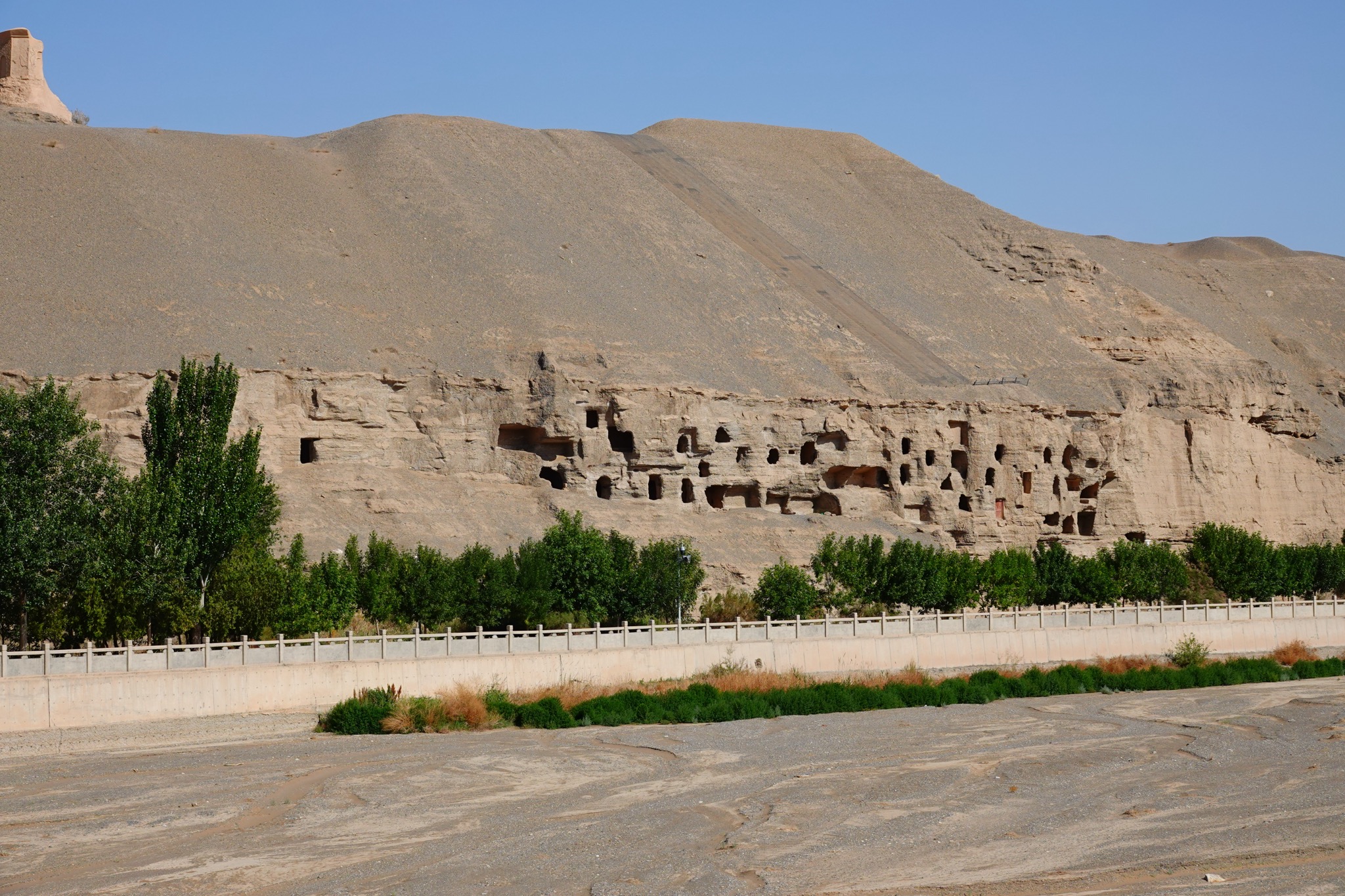
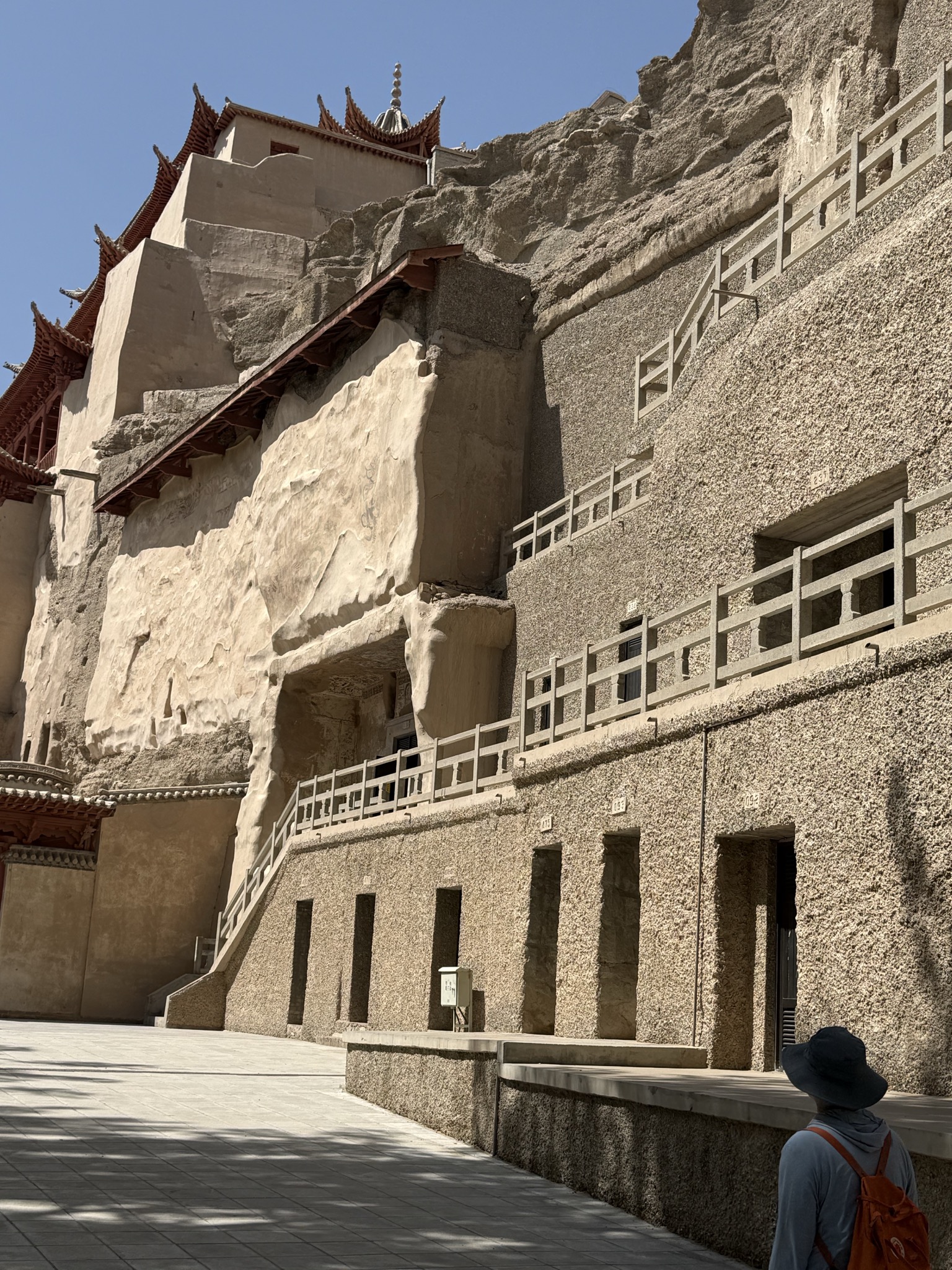
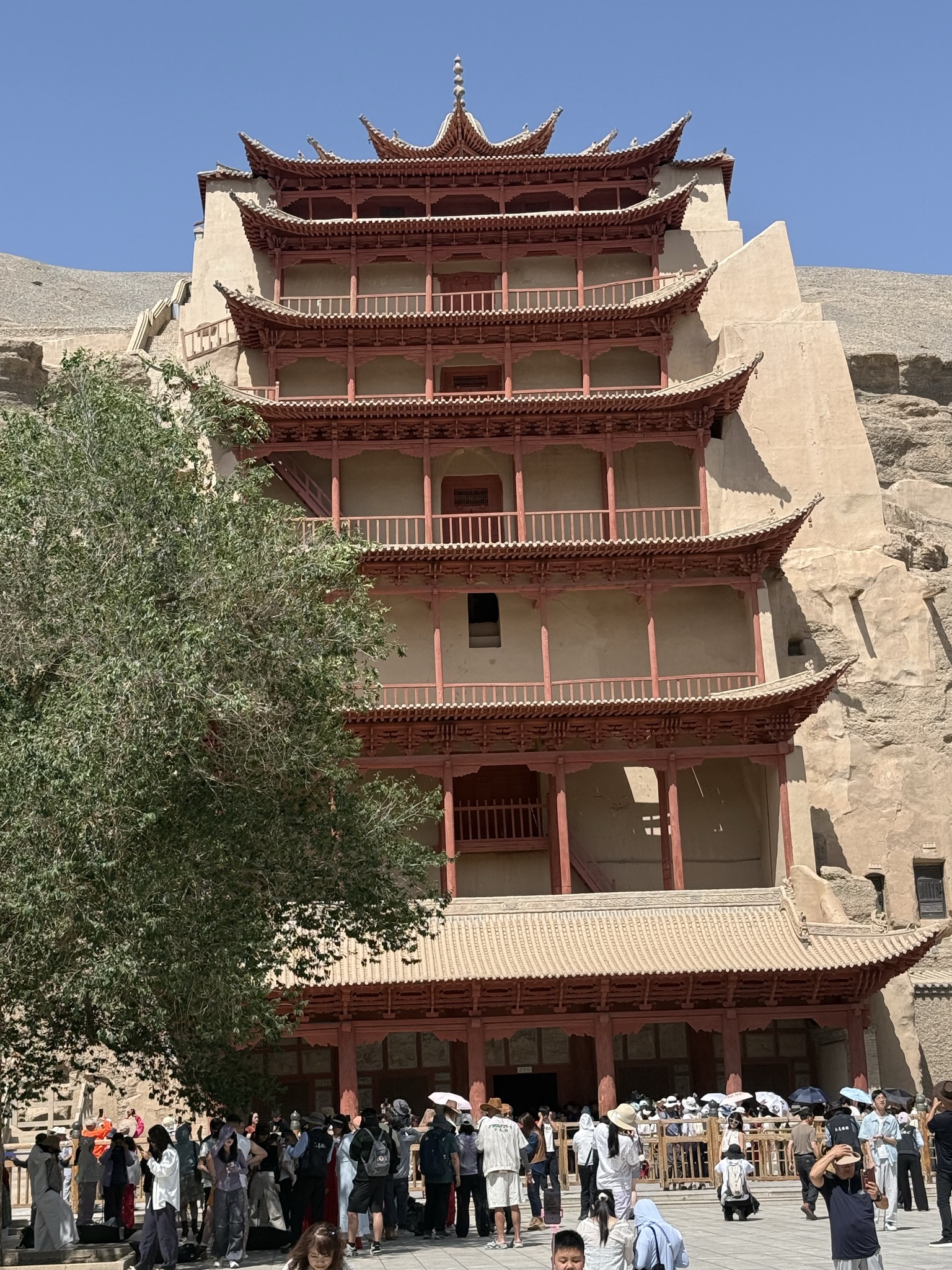
Mogao Caves
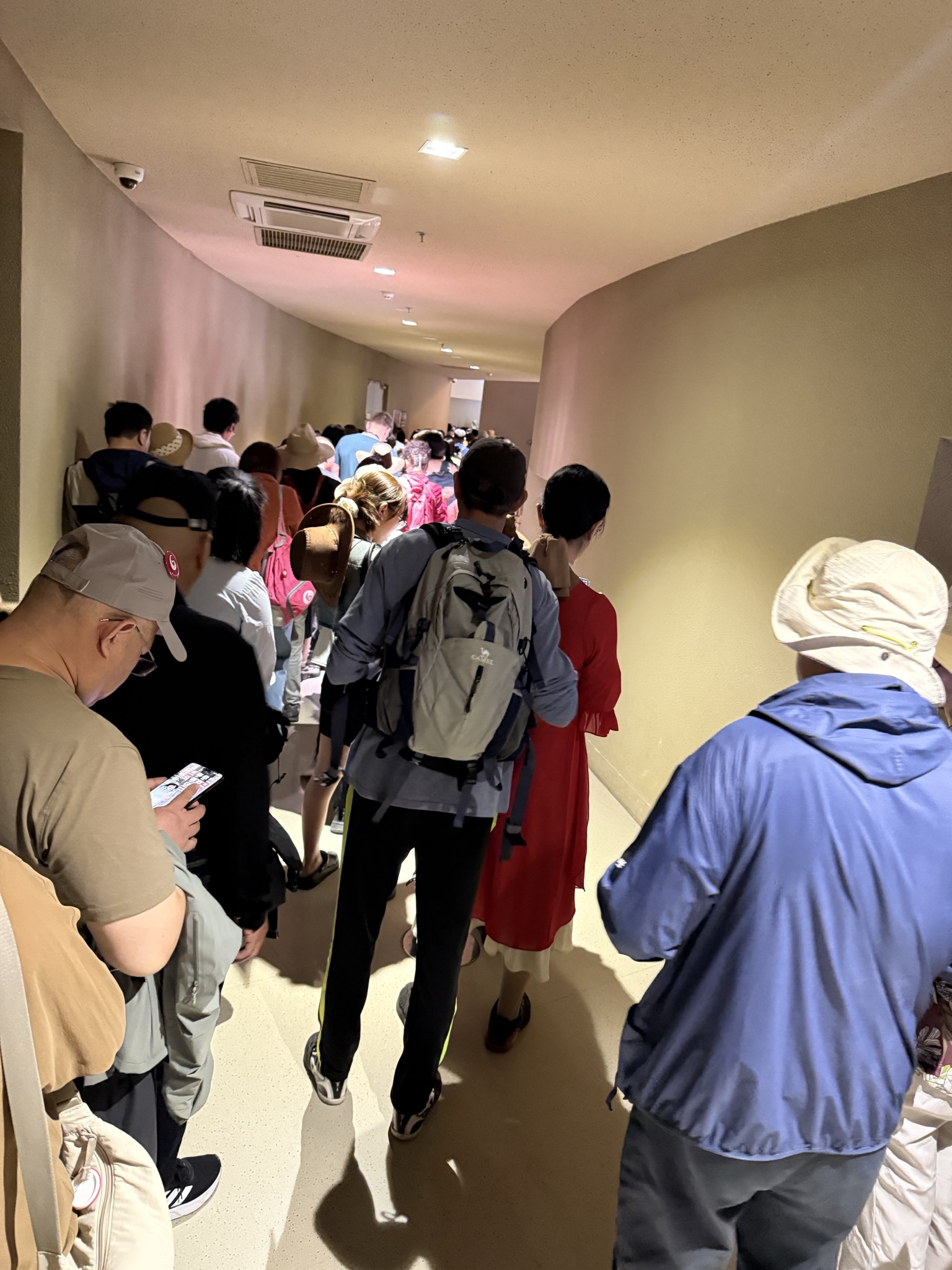
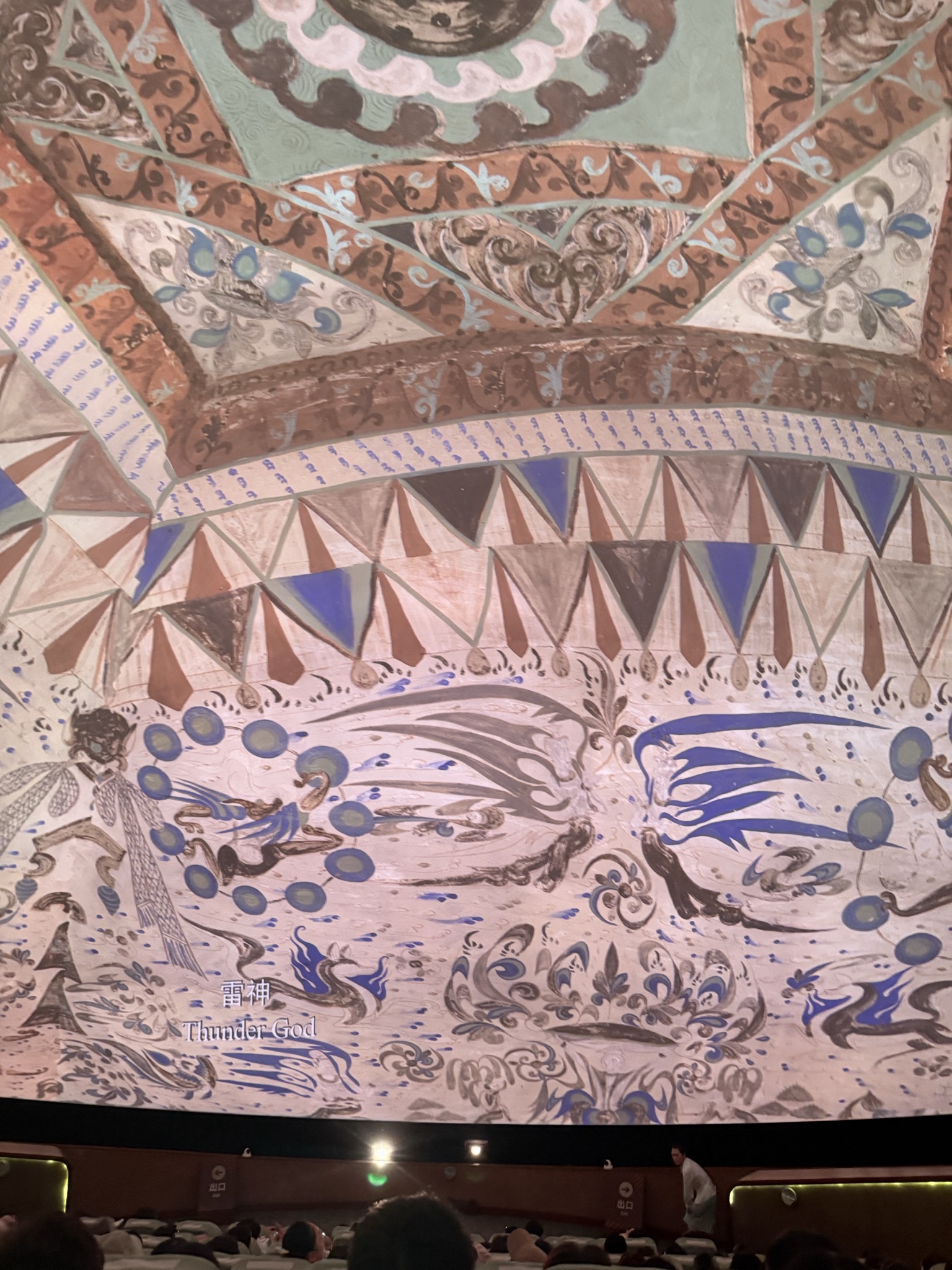
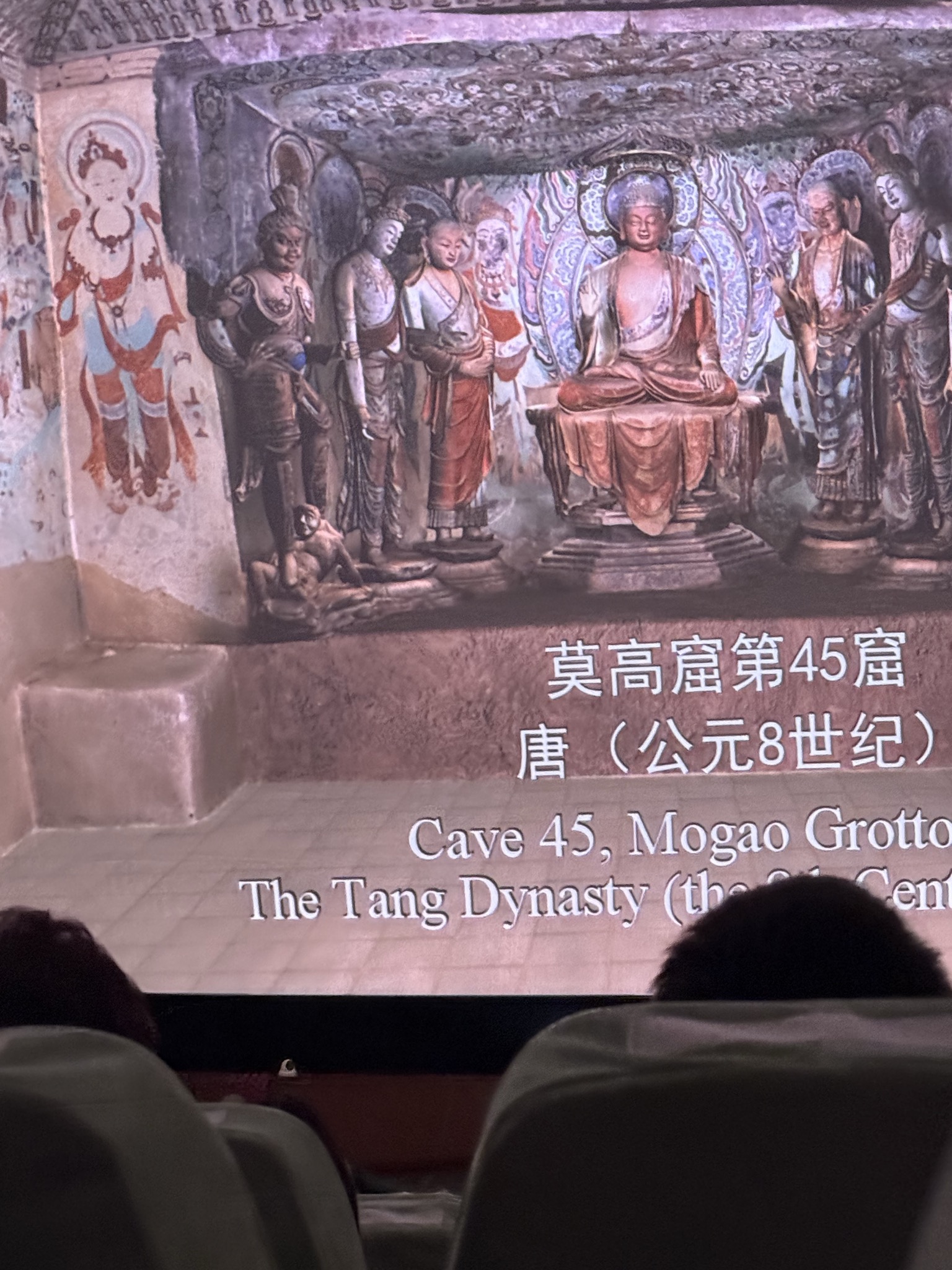
Today our into to the cavies was a truly immersive movie. 200 people in the theatre experienced virtual reality with the front screen curved ceilings and walls all showing parts of various caves. Very impressive. Then it was off to the crowded, but well managed cave tour. Unfortunately no cameras allowed but the original art was well worth the visit. And so much of it.
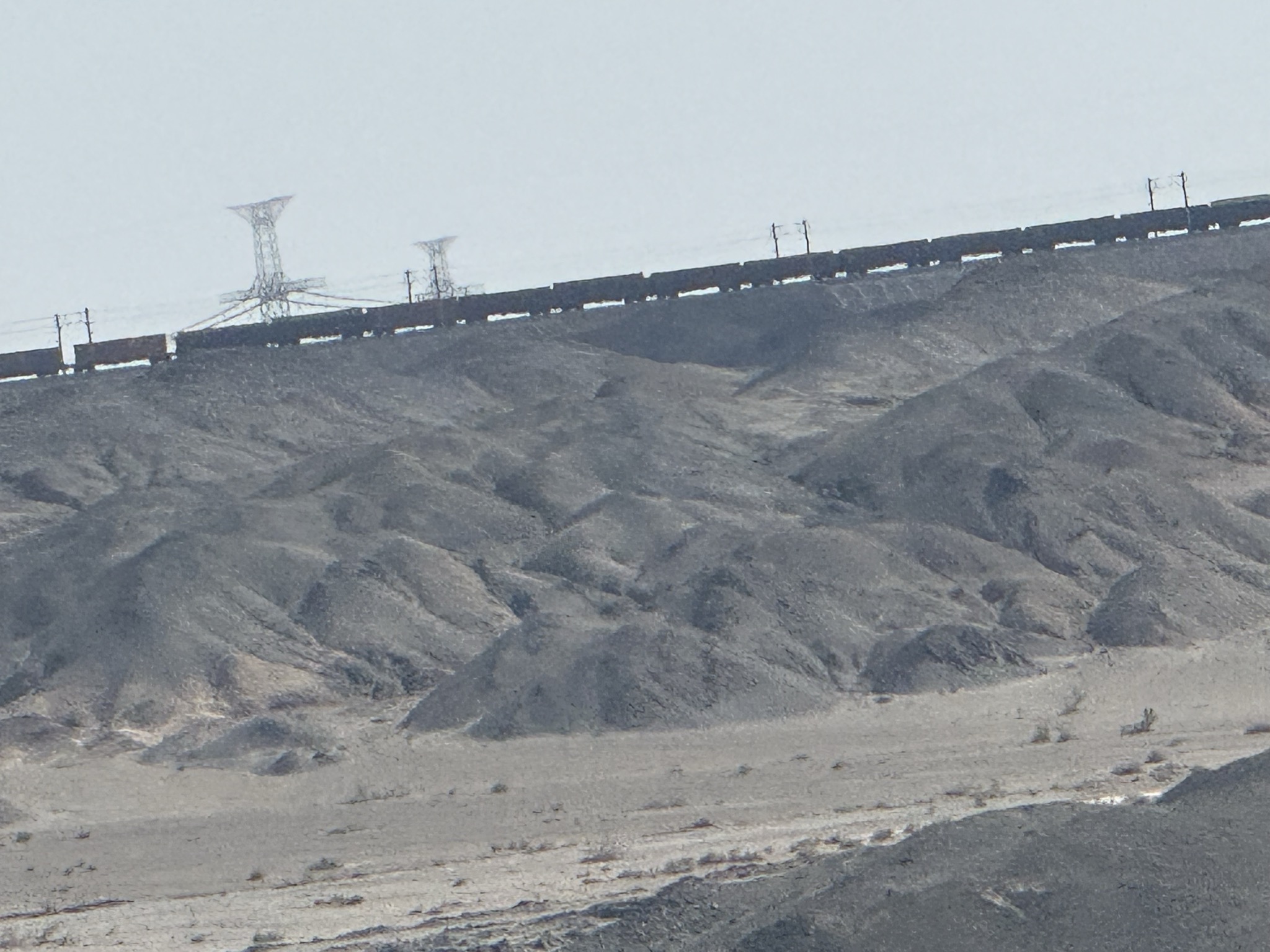
Then lunch, a w hour drive to the train line and now a three hour train trip to Turpan where the temperature can apparently reach 50.
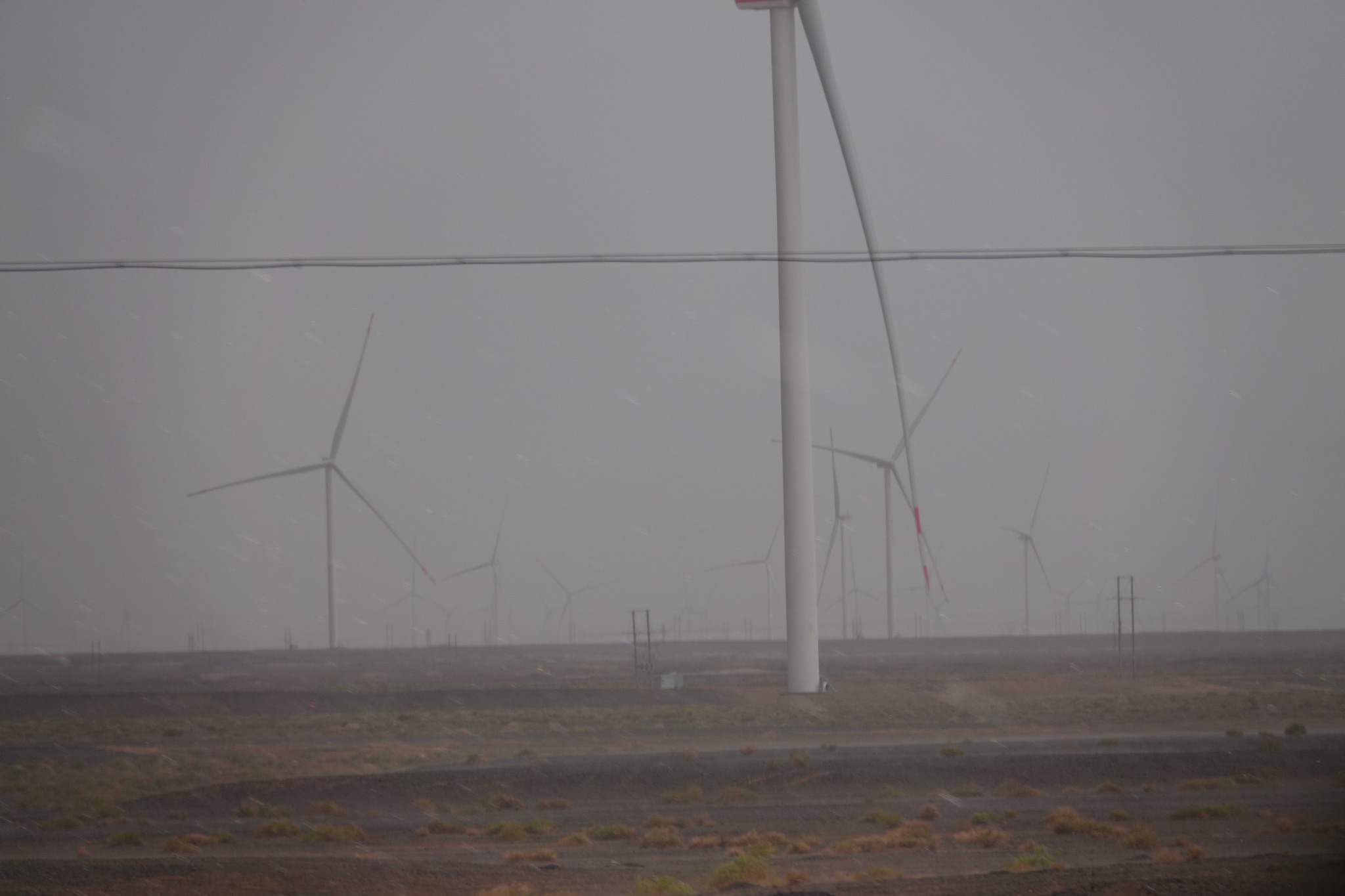
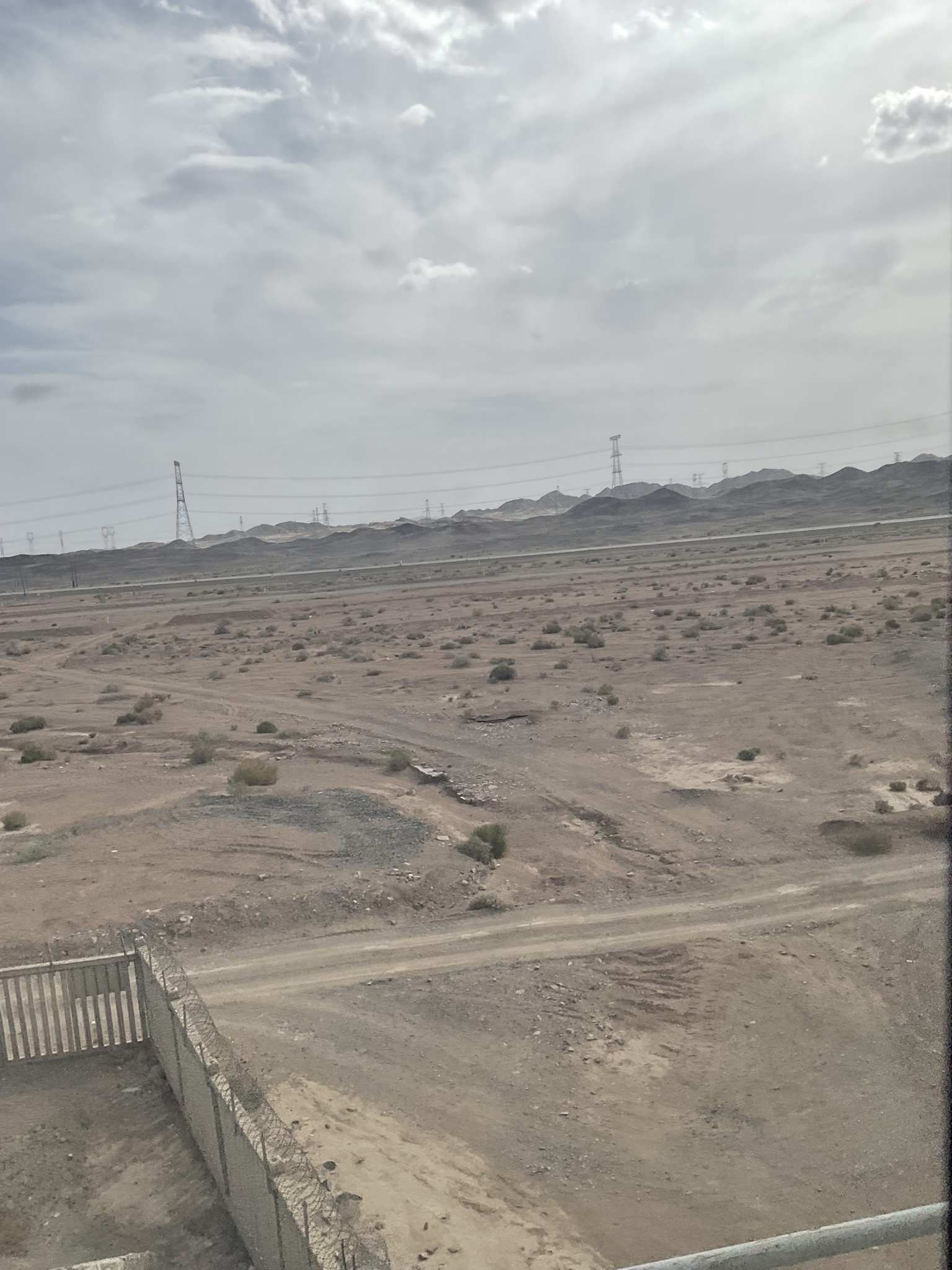
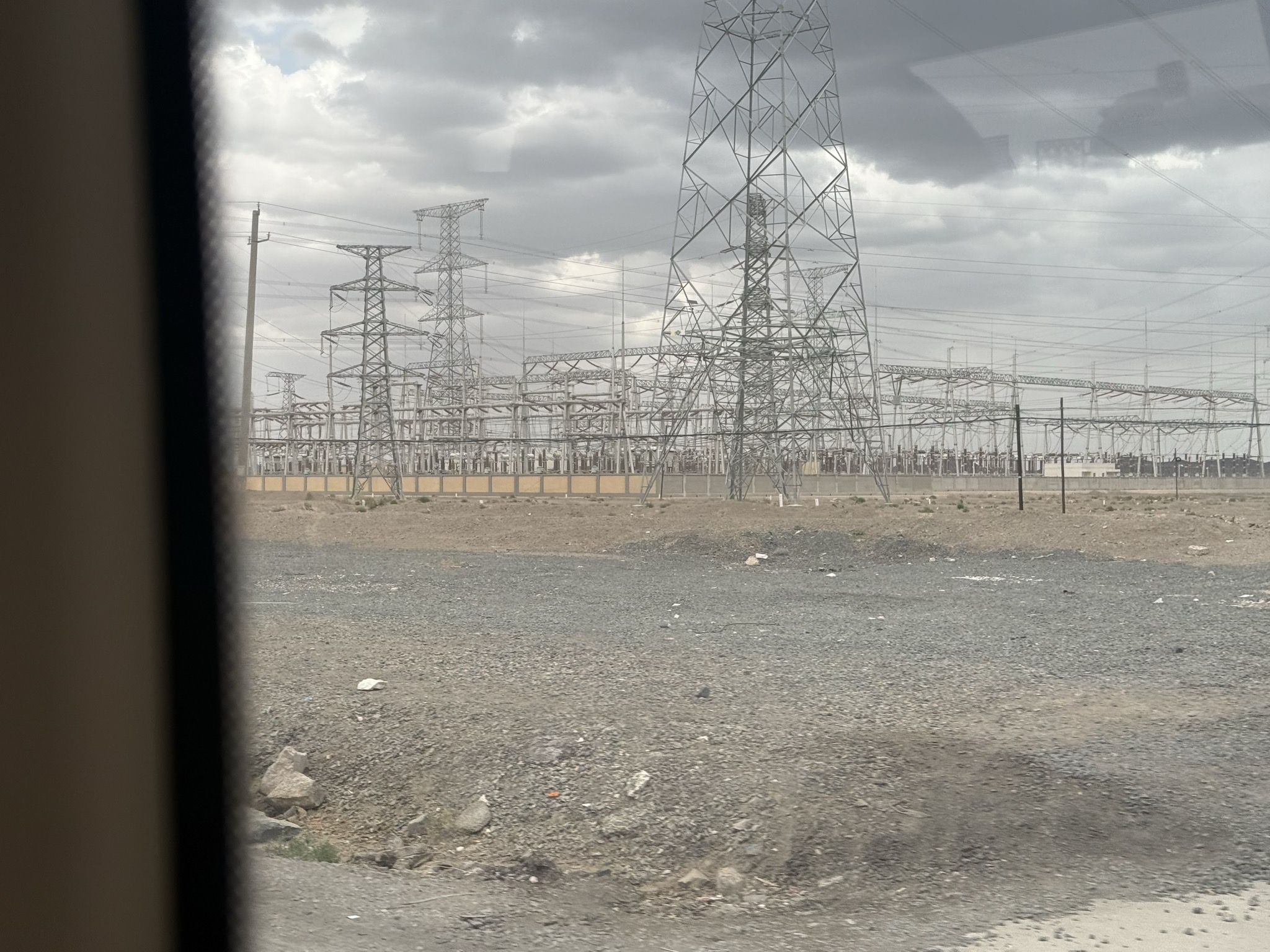
We are driving through one of the major coal provinces and the a,out of overburden waste has to be seen to be believed.
It was 37C when we arrived at Turpan to be met by our knowledgeable guide Omar and his fancy van. After checking in we went down to the local market where even at 10:30 eating is at full swing. China only has one official time zone but this far west local time is 2 hours behind. That and the heat make for late nights. Too tired to take photos tonight and our first tourist disappointment in that the famous Turpan museum is closed for renovations.
History and significance via Claude .
The Mogao Caves (also called the Caves of the Thousand Buddhas or Dunhuang Grottoes) sit in the cliffs above the Dachuan River, about 25 km southeast of the Dunhuang oasis in Gansu.
[image_search: Mogao Caves Dunhuang exterior nine-storey pagoda]
History. According to tradition, a wandering monk named Le Zun (Yuezun) had a vision of a thousand golden Buddhas at the site in 366 CE, inspiring him to build a cave here.  Over the next millennium, caves were constructed by monks to serve as shrines with funds from donors  — clergy, local elites, foreign dignitaries, emperors, and merchants praying for safe passage across the Taklamakan. The site reached its zenith during the Tang dynasty, when Dunhuang became the main hub of commerce of the Silk Road and a major religious centre , and the two colossal Buddha statues were carved (the larger, in Cave 96, stands about 35.5 m). After the Tang the region declined; construction of new caves ceased entirely after the Yuan dynasty  as sea routes supplanted the overland Silk Road, and the site was largely forgotten.
Significance. Today the complex comprises over 735 caves, with about 492 preserved today , holding roughly 45,000 square meters of murals and over 2,000 painted sculptures  — the largest, richest, and longest-used treasure house of Buddhist art in the world. The art blends Han Chinese traditions with Indian, Gandharan, Tibetan, Turkic and other Central Asian influences, making it a visual record of a thousand years of cultural exchange. It became a UNESCO World Heritage Site in 1987.
[image_search: Mogao Caves Dunhuang Tang dynasty mural apsara]
Rediscovery. The pivotal moment came in 1900, when the caves’ self-appointed Taoist guardian, Wang Yuanlu, uncovered the walled-up “Library Cave” (Cave 17). It contained over 50,000 manuscripts, paintings, and printed documents, including the world’s earliest dated printed book  (the Diamond Sutra, 868 CE). Over the following years foreign explorers — Aurel Stein, Paul Pelliot and others — carried off large portions, and the largest collections are now found in Beijing, London, Paris and Berlin.  The dispersal remains a sore point in China and spurred the International Dunhuang Project to digitally reunite the material.
Visitor numbers. Access is now tightly controlled to protect the fragile pigments. Visitor numbers are capped at 6,000 per day  in peak season (with cheaper supplementary tickets of up to 12,000/day in July–August giving access to fewer caves), all routed first through the 2014 Digital Exhibition Centre to reduce time inside the caves. Annually, numbers have climbed steeply — from around 10,000 in the 1980s  to more than 1.34 million tourists  in 2016, with the site more recently expected to receive a record of roughly 3 million visitors a year. A typical visit is a guided group tour of about 7–8 caves, with no photography permitted inside.
Given your Hexi Corridor route, Dunhuang sits naturally between Jiayuguan and Xi’an — worth booking tickets well ahead, as the daily quota sells out fast in summer.