Urumqi and heavenly lake
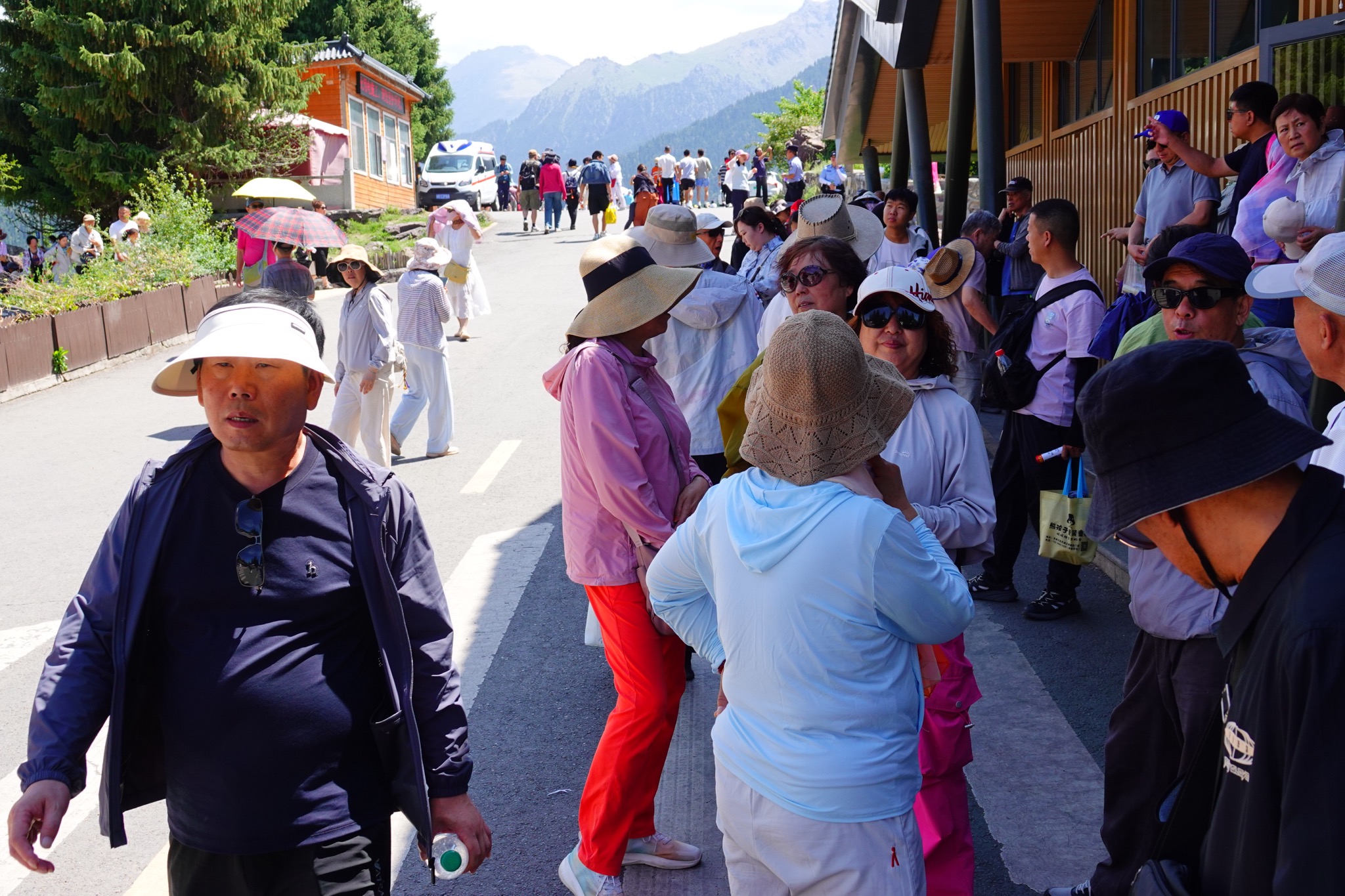
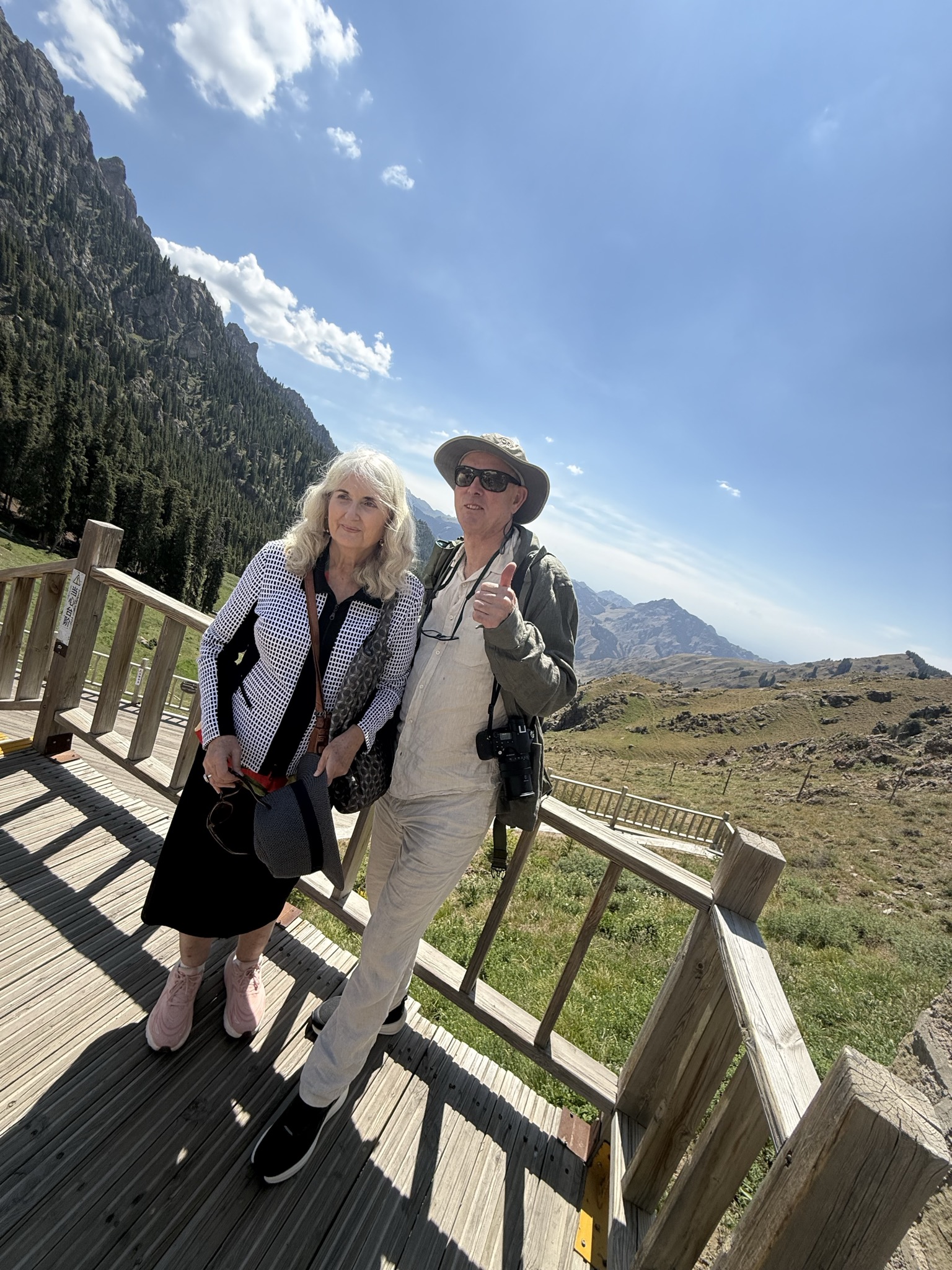
Today was my final day on the Silk Road, a thoroughly enjoyable tour. We left Turpin at 9:20 with a new guide and drove to heavenly lake, north west of Urumqi a total distance over 350 km. It’s a holiday weekend so the usual excellent free way was crowded as was heavenly lake tourist park.
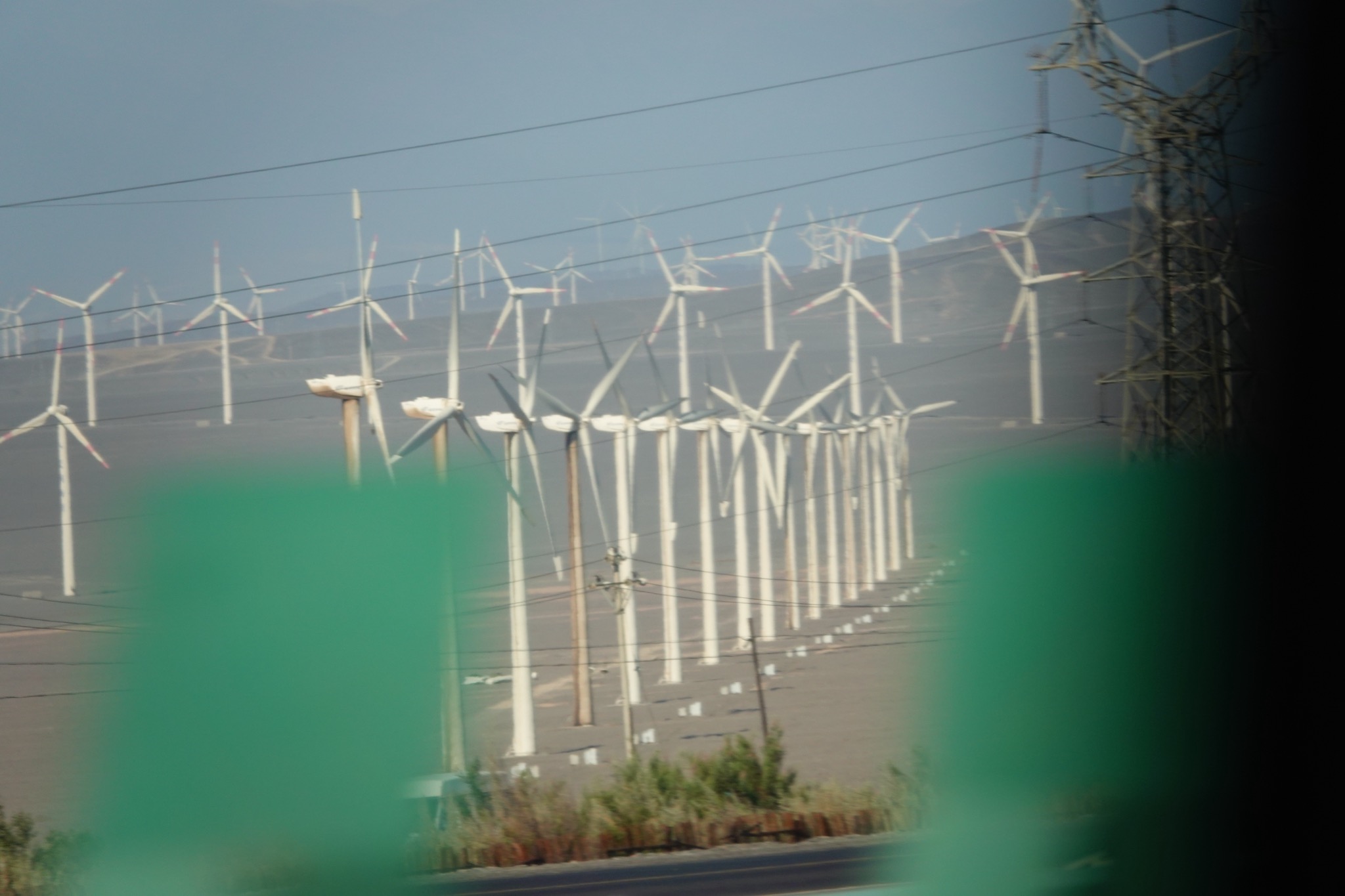
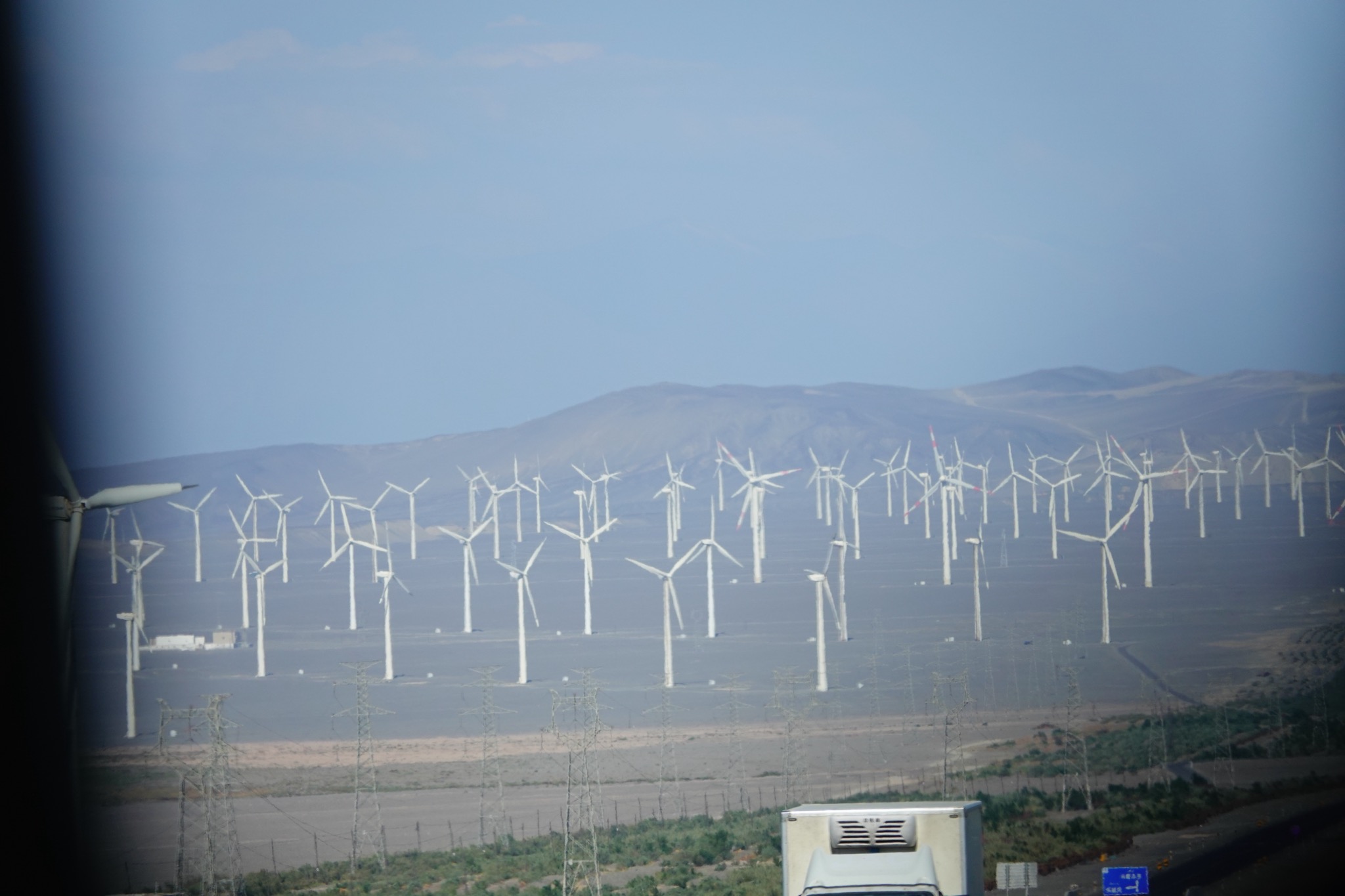
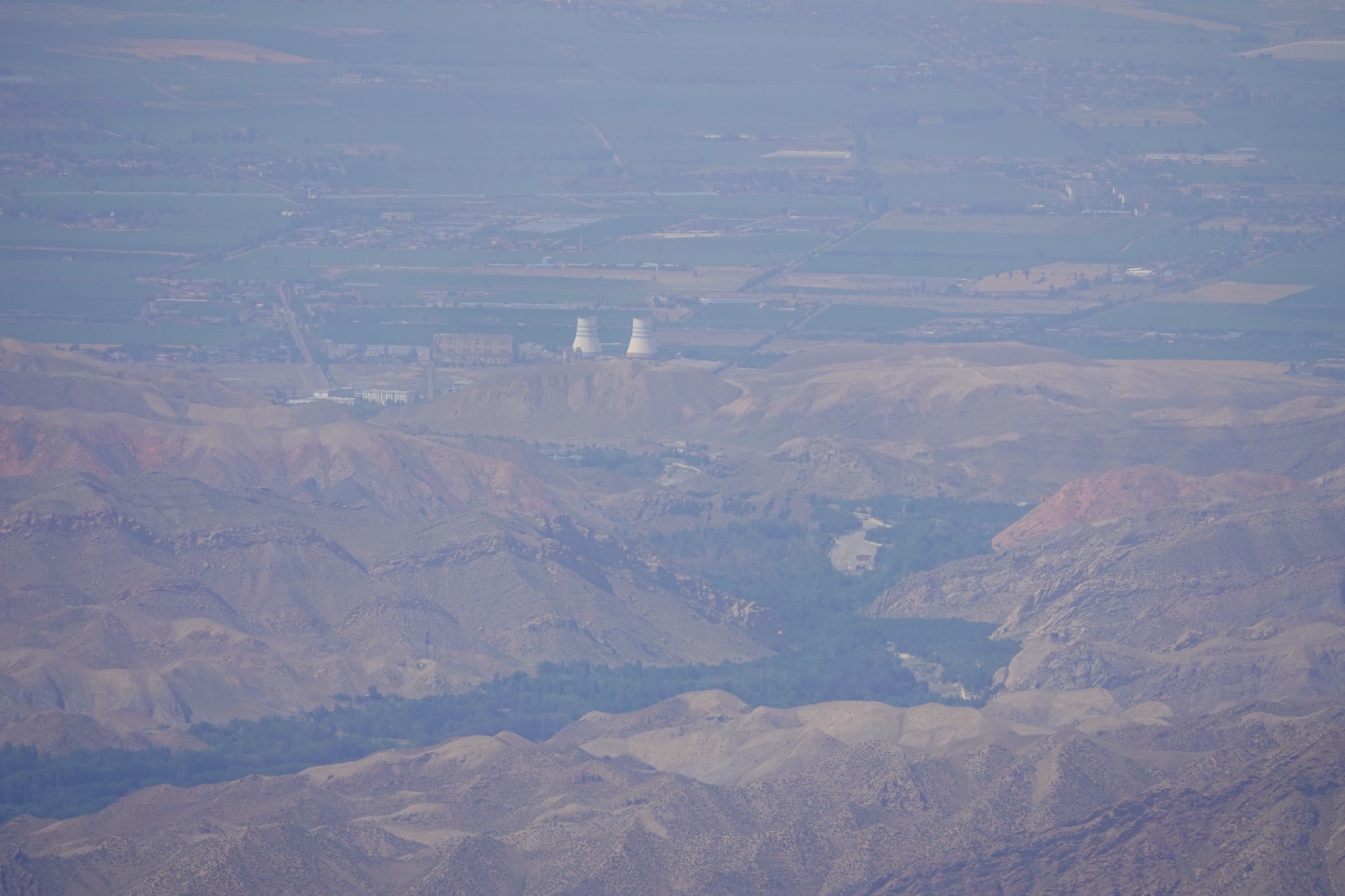
Along the way we passed the usual huge collection of wind turbines and also coal stations. We stopped for a quick lunch at heavenly park restaurant and after complimenting the owner on her noodles took a photo with her. She has a son studying in Australia.
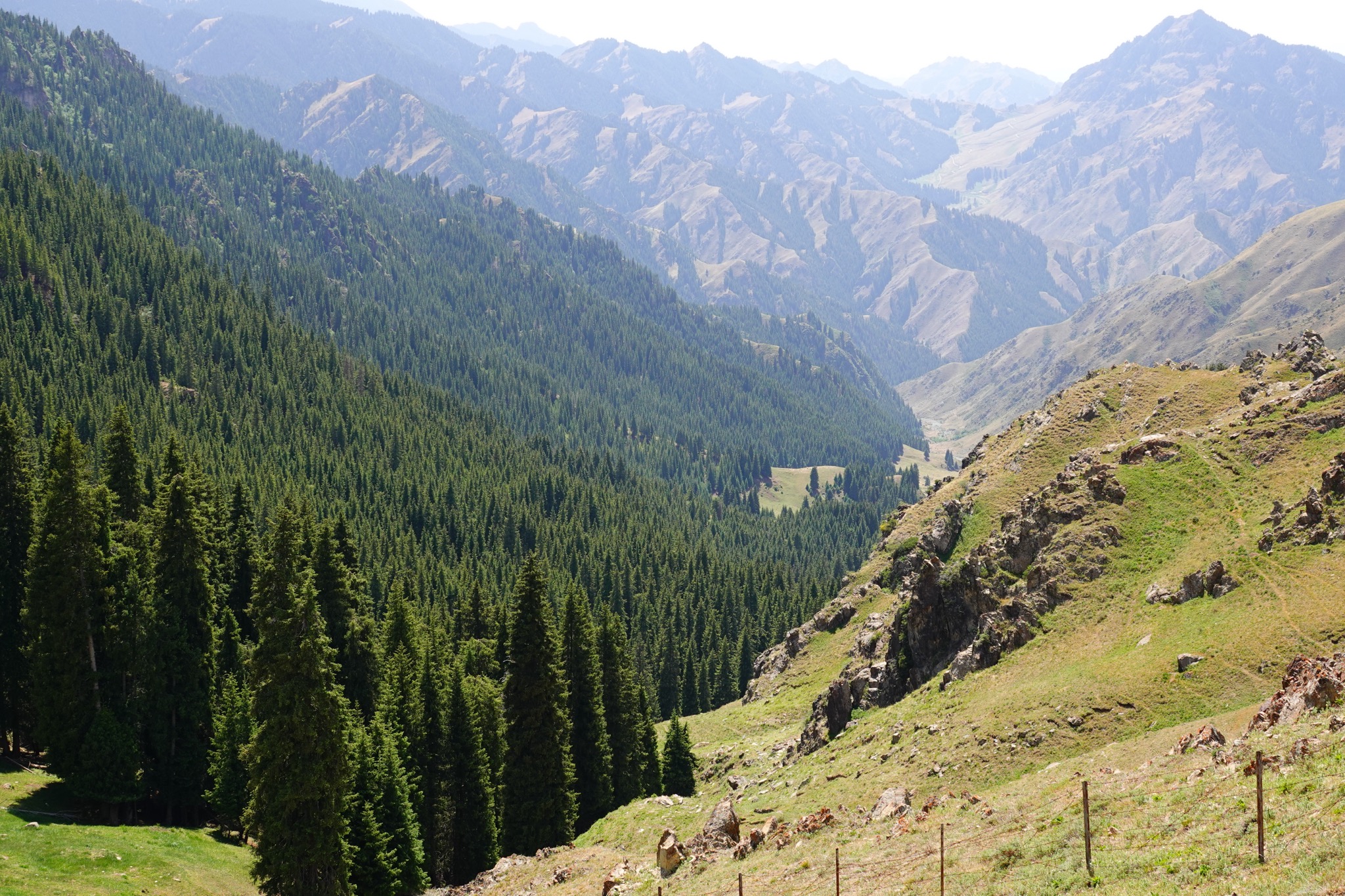
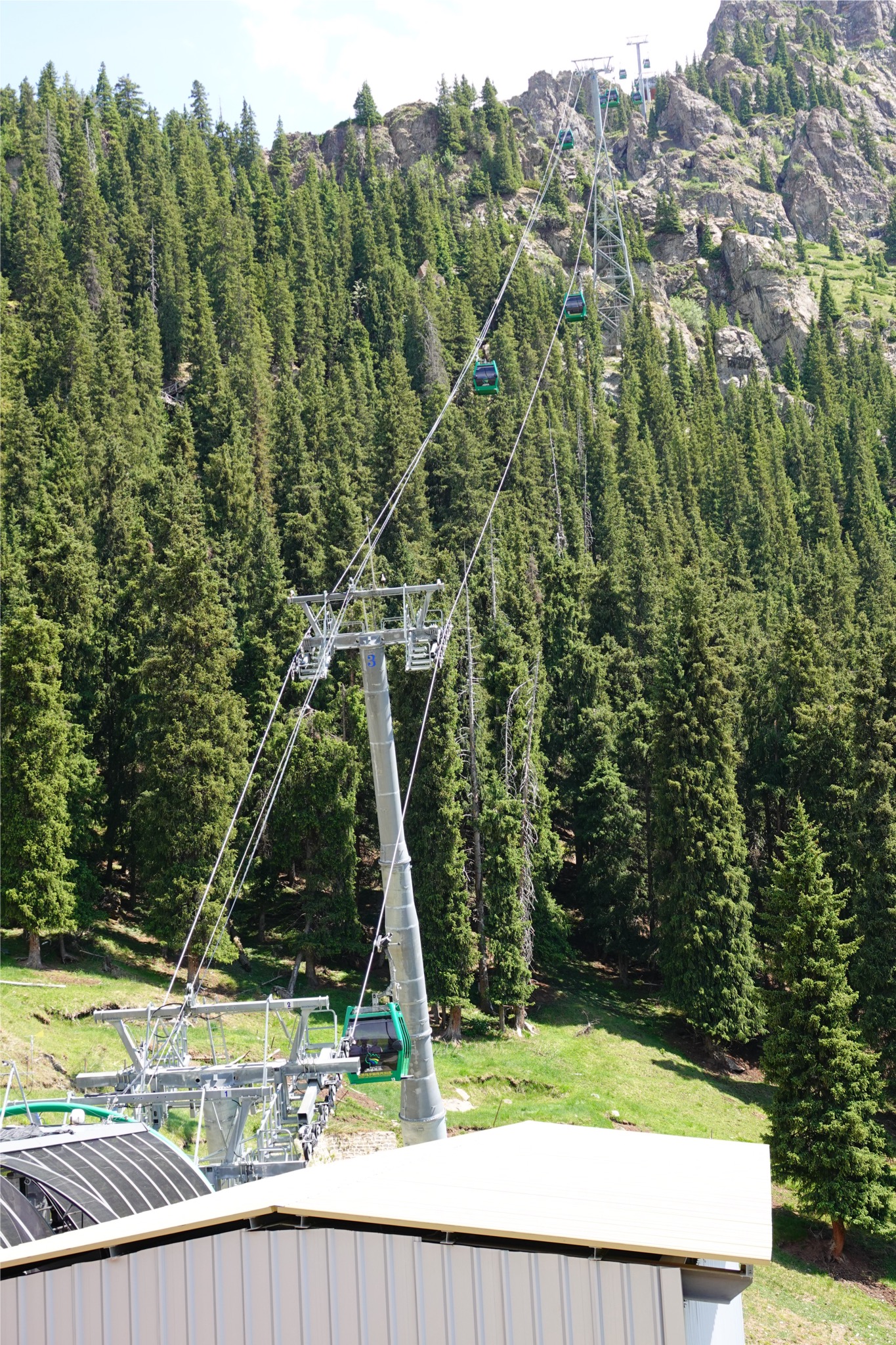
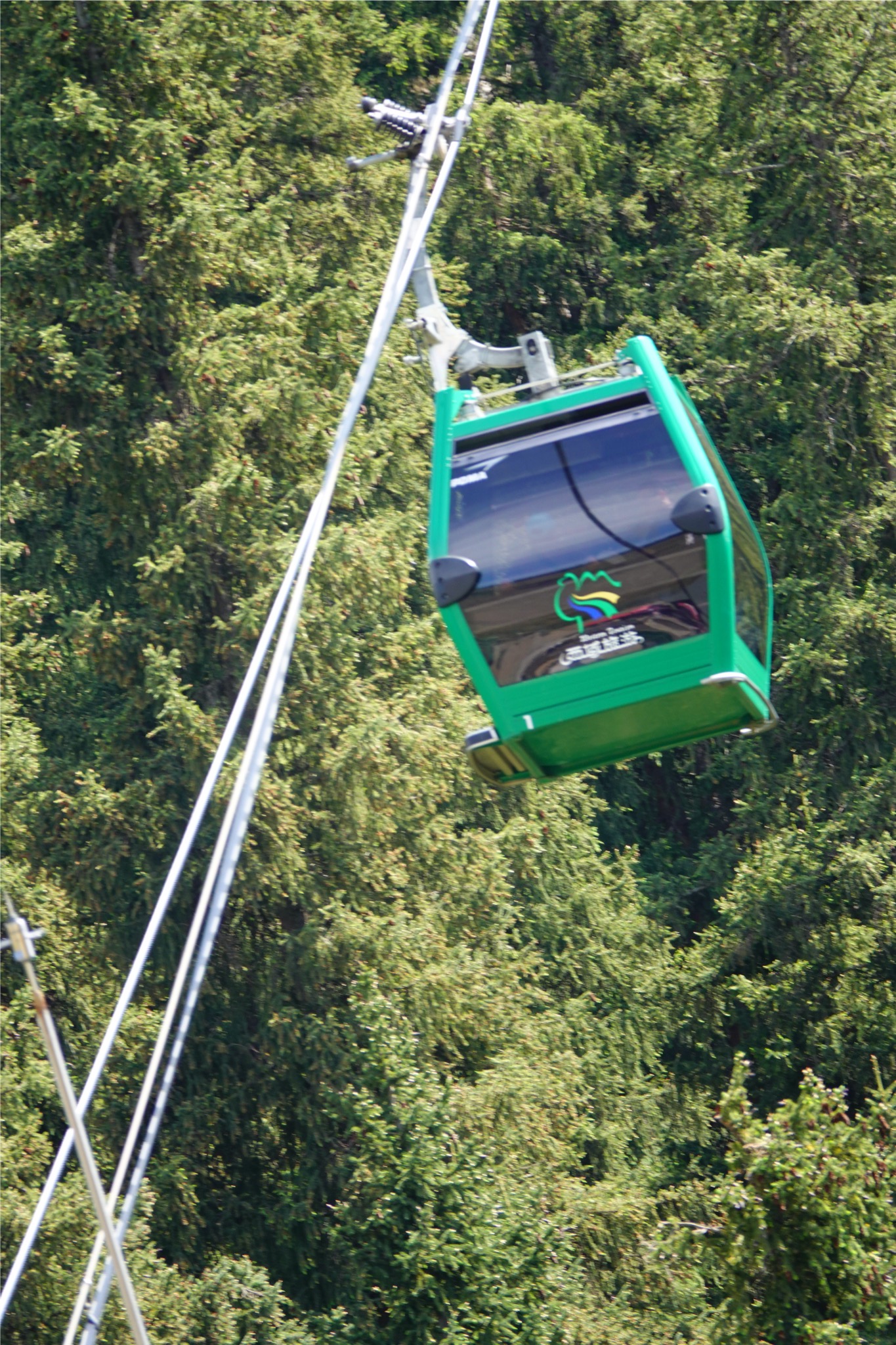
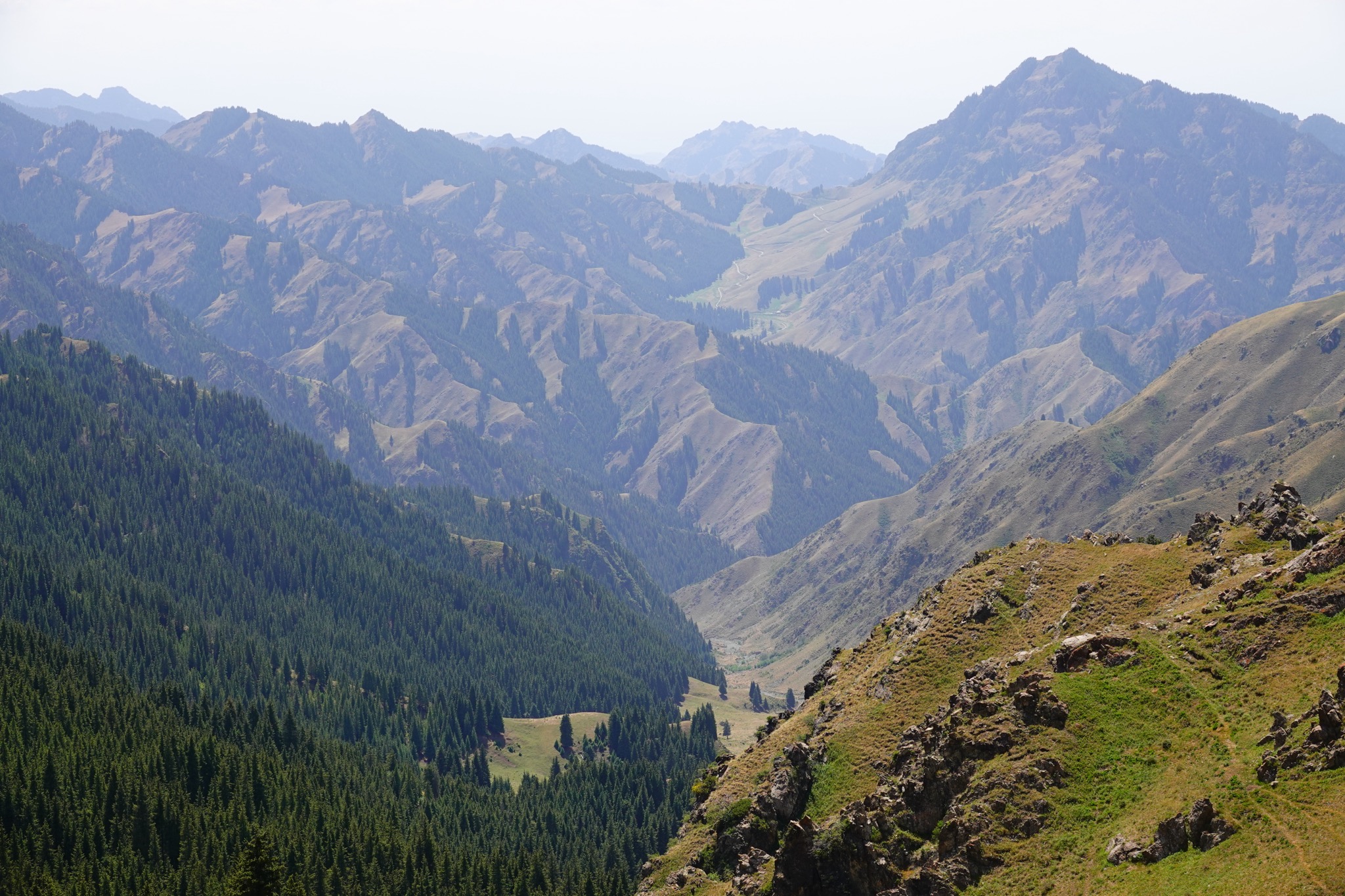
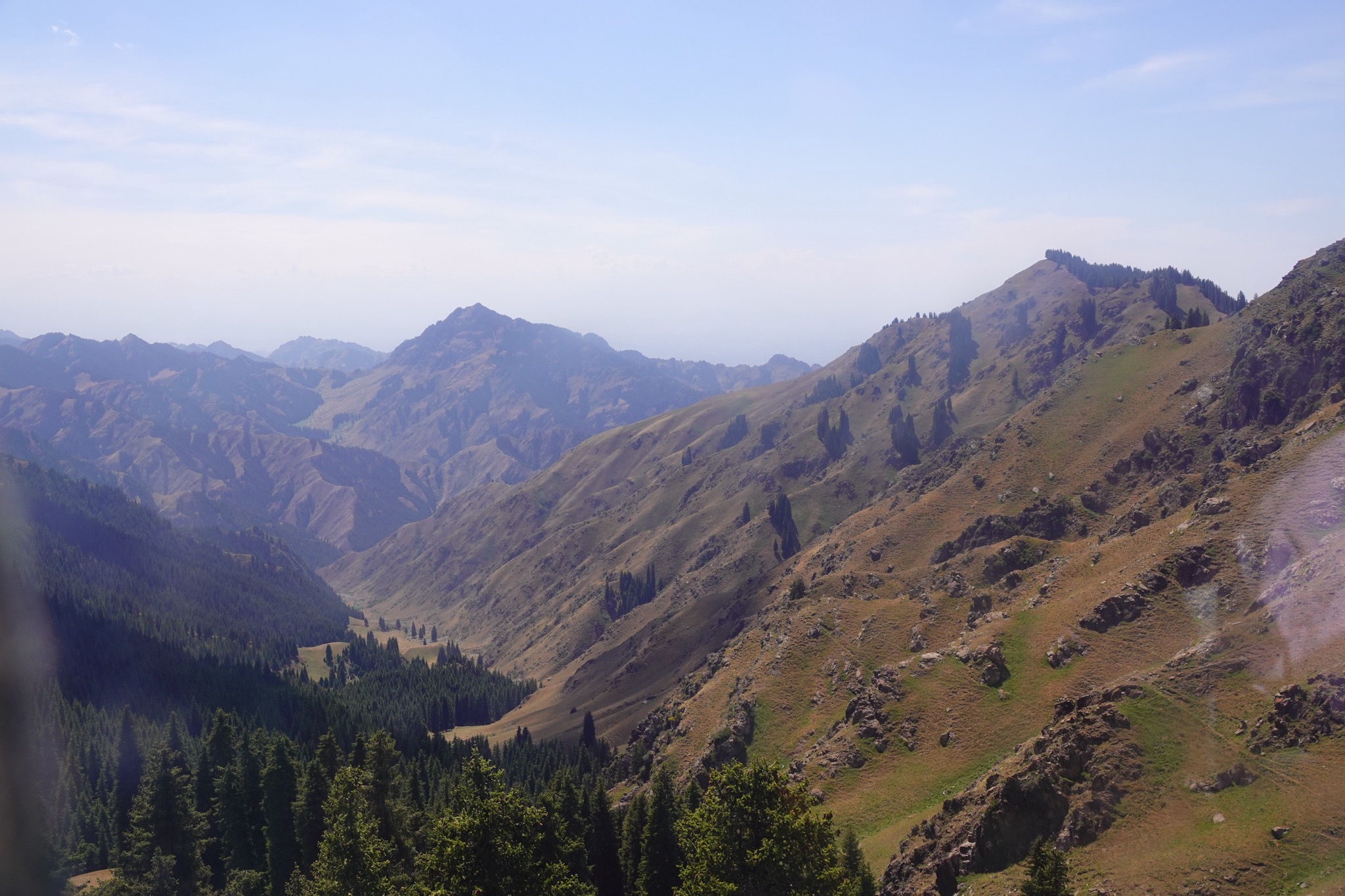
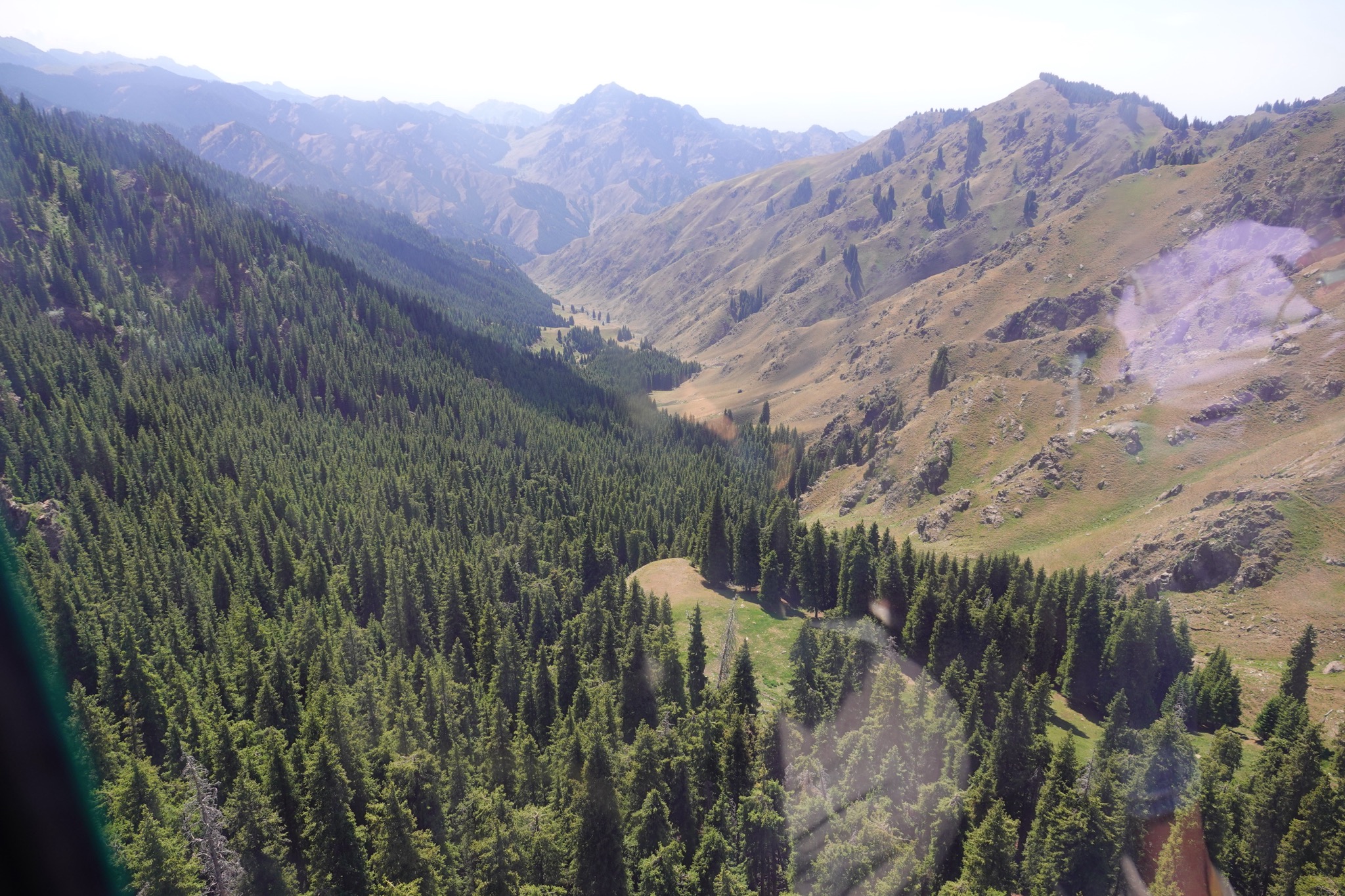
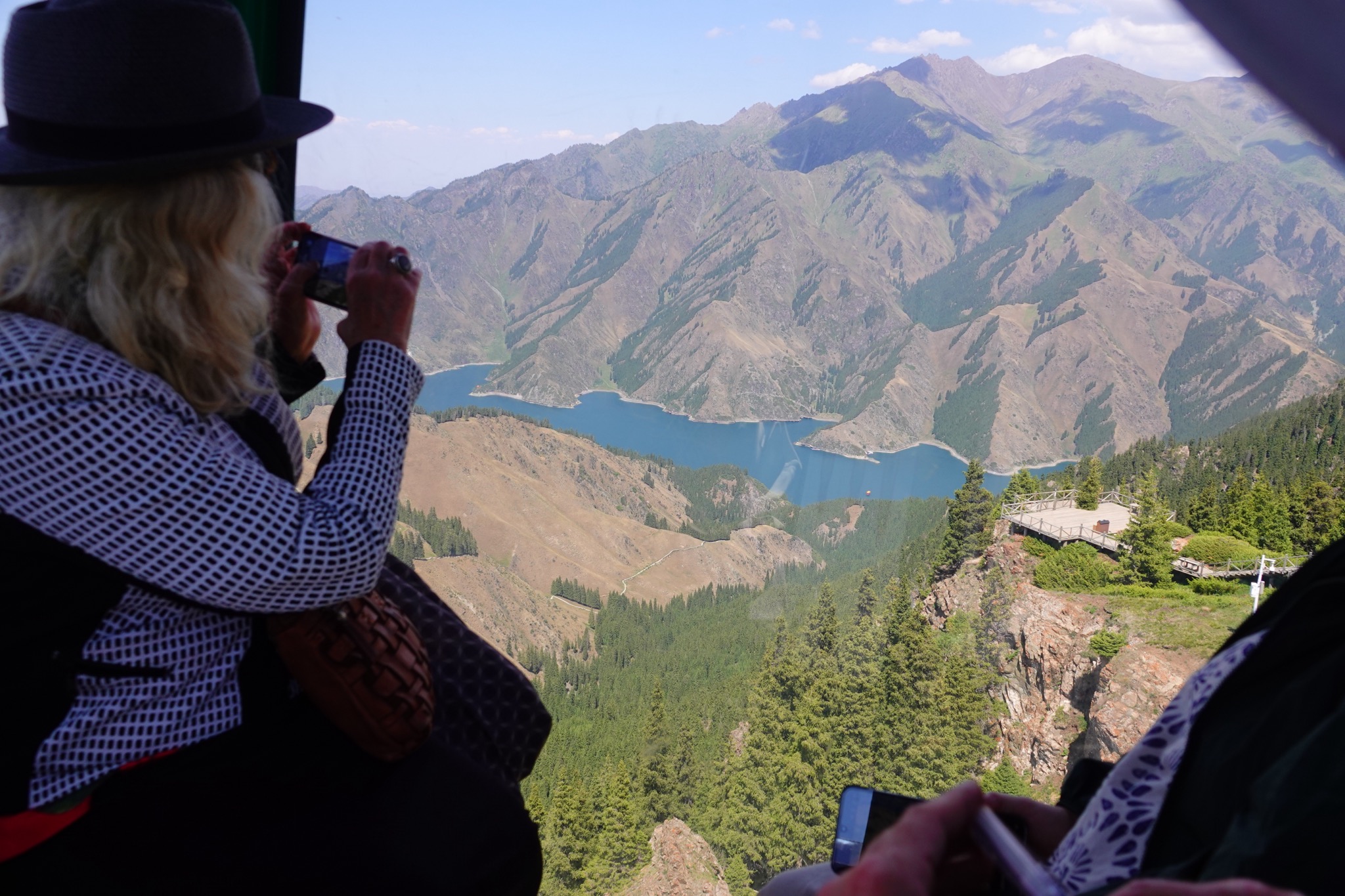
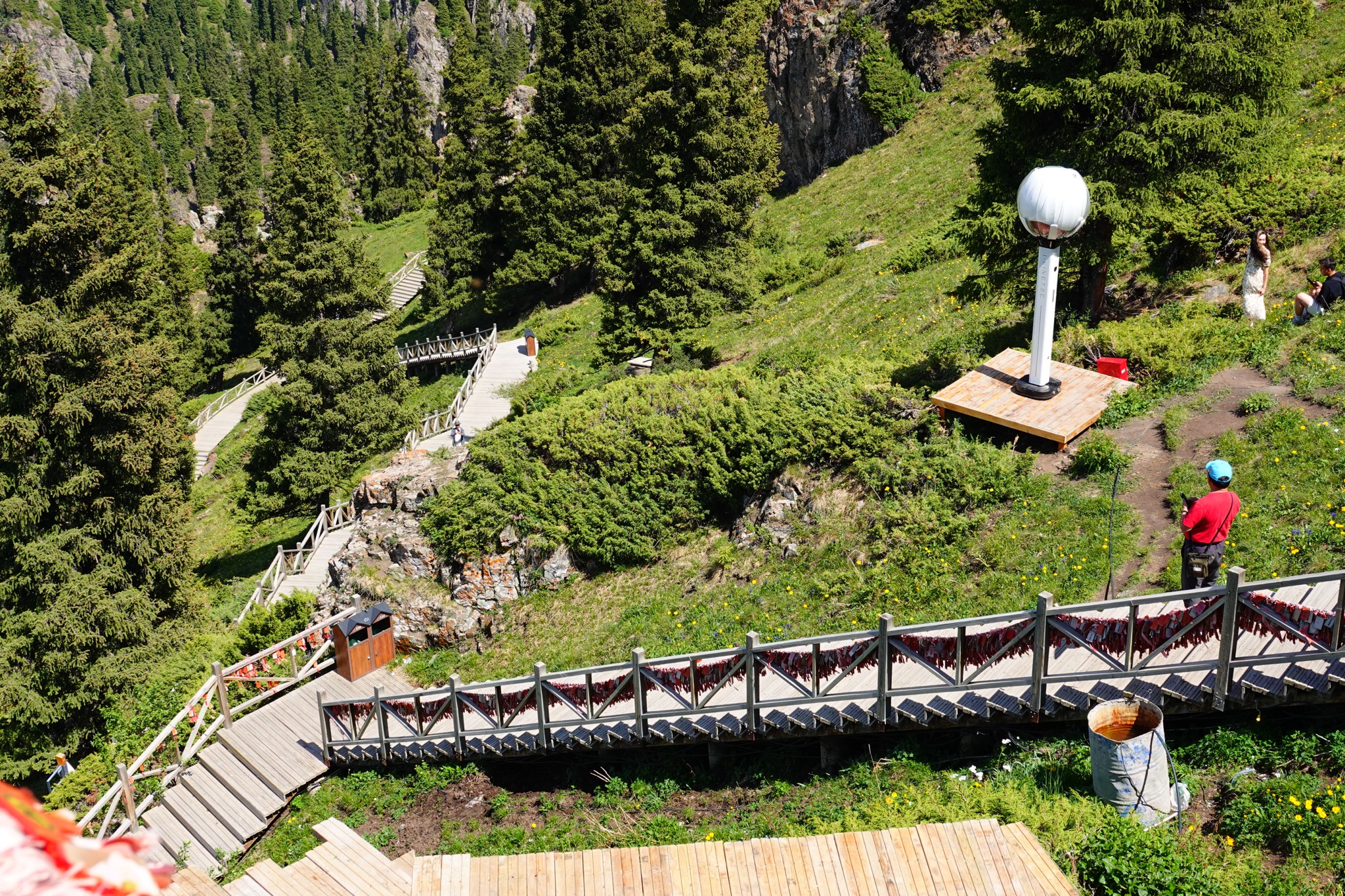
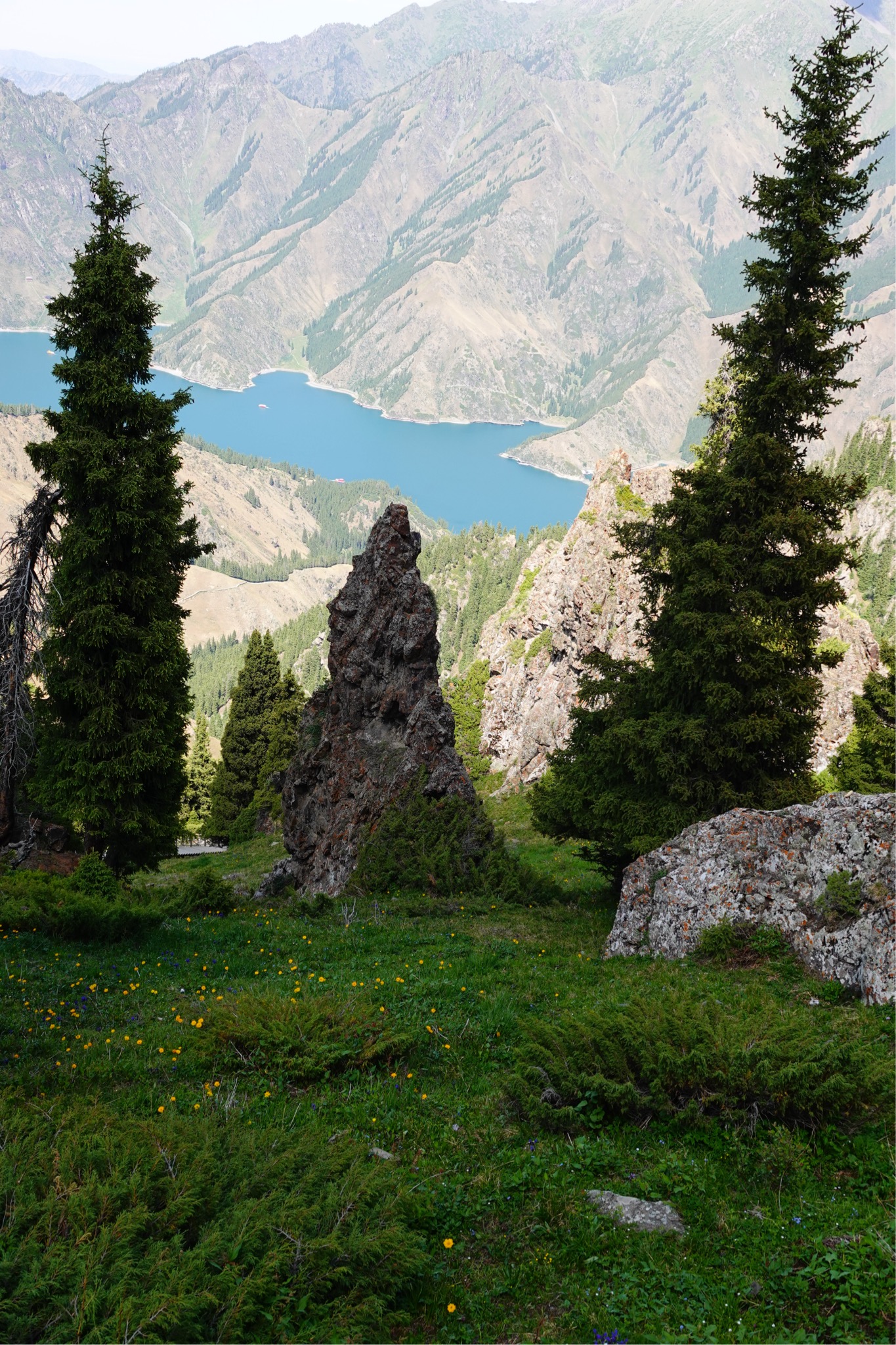
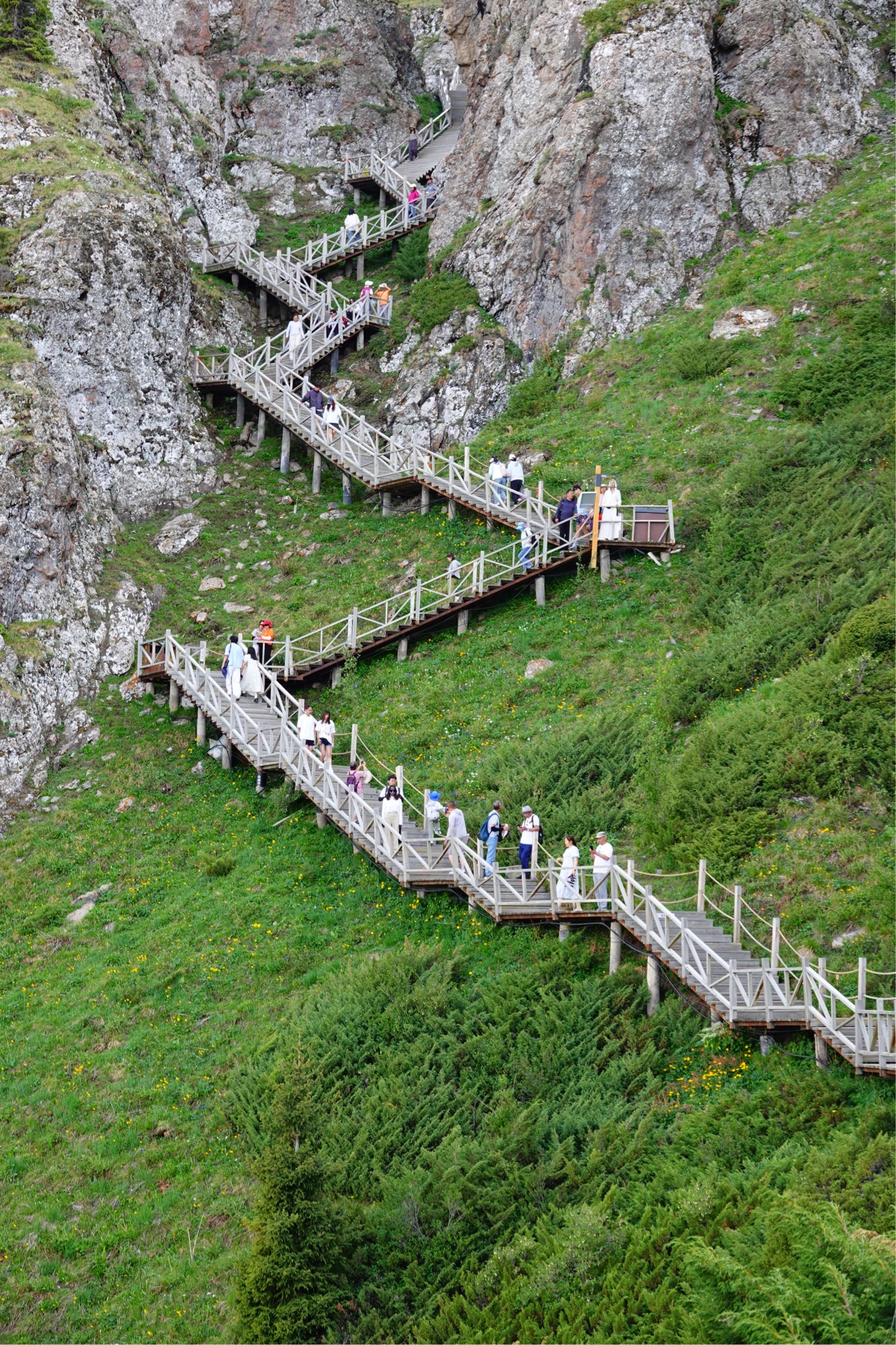
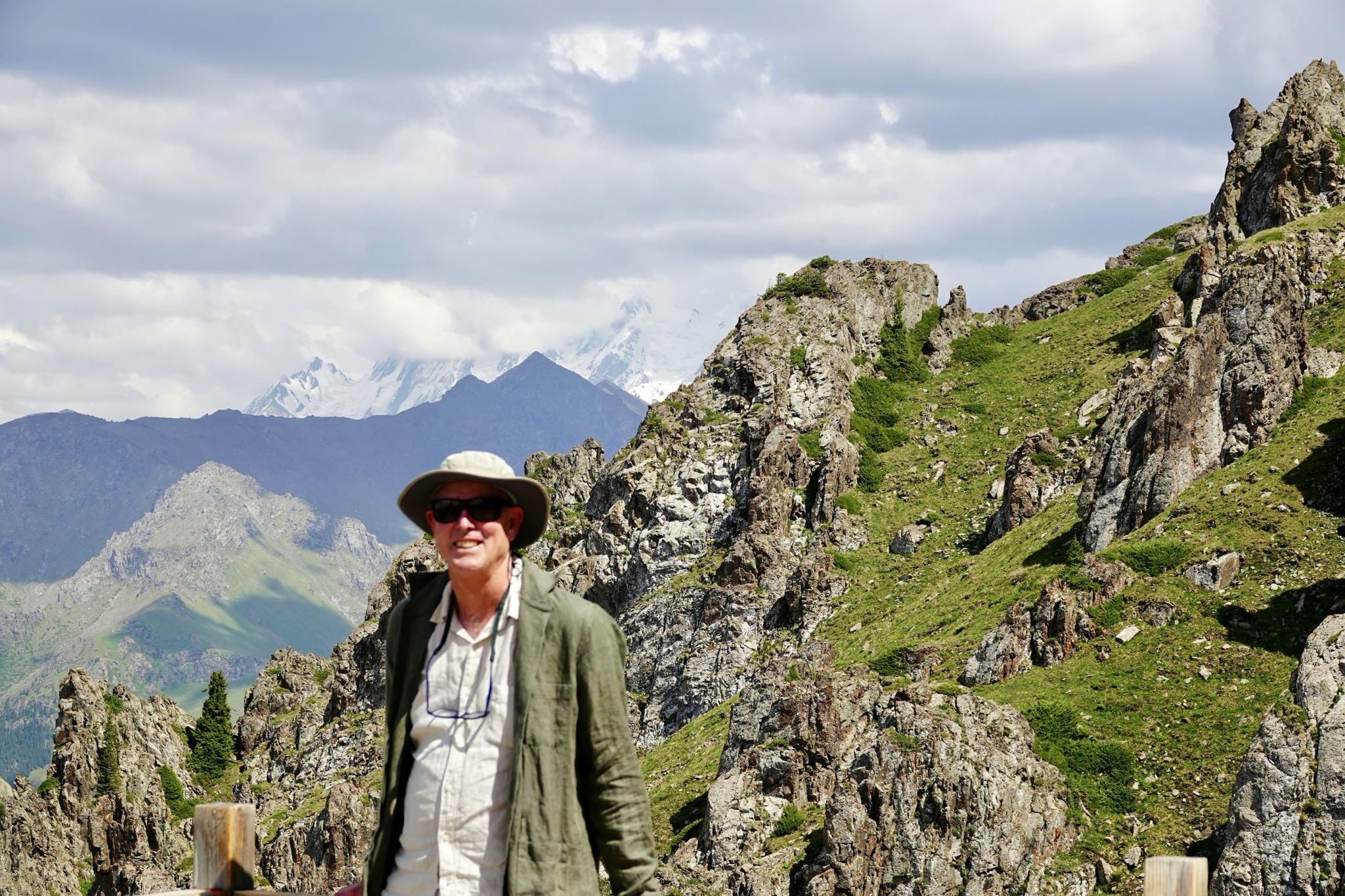
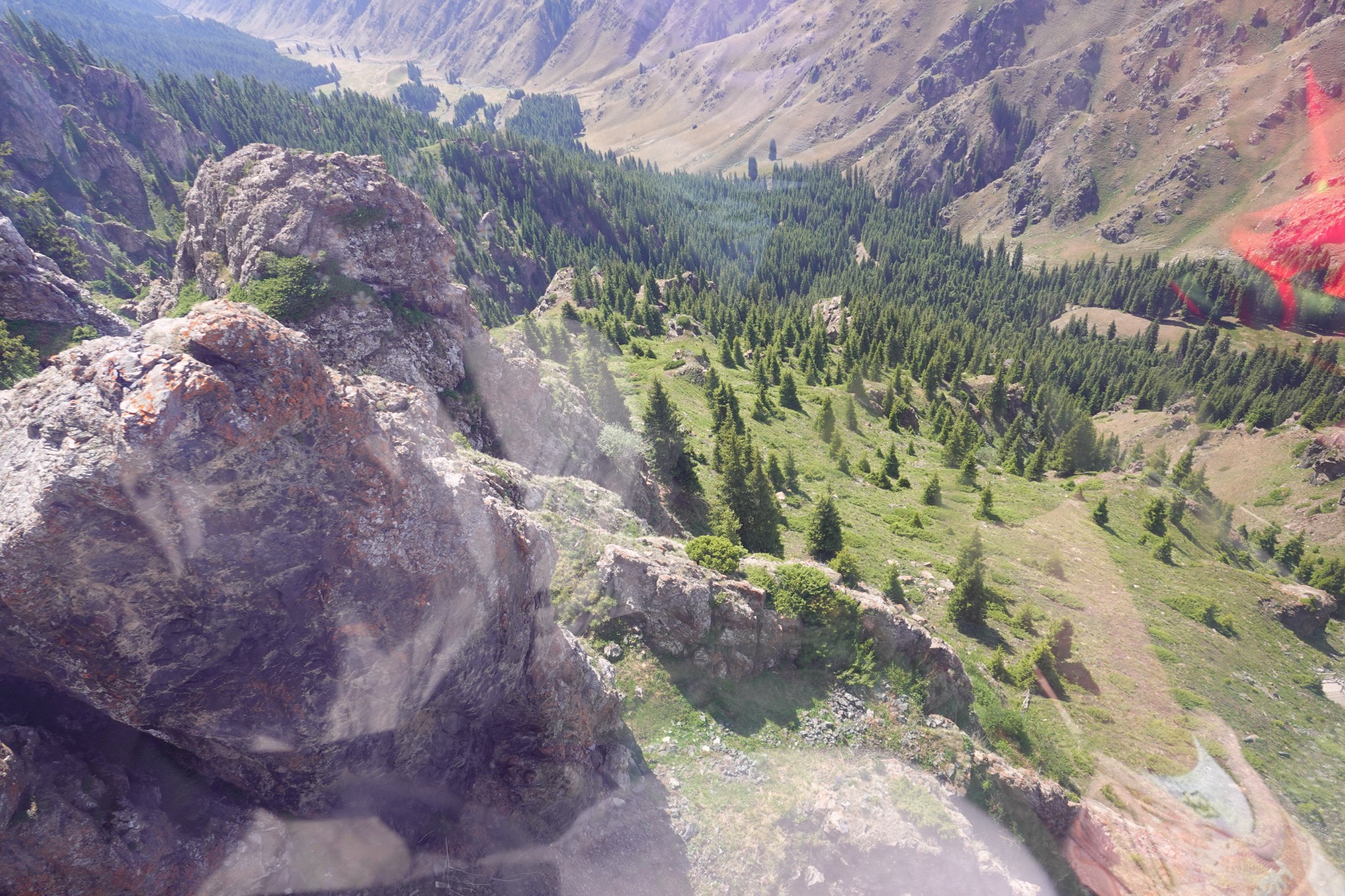
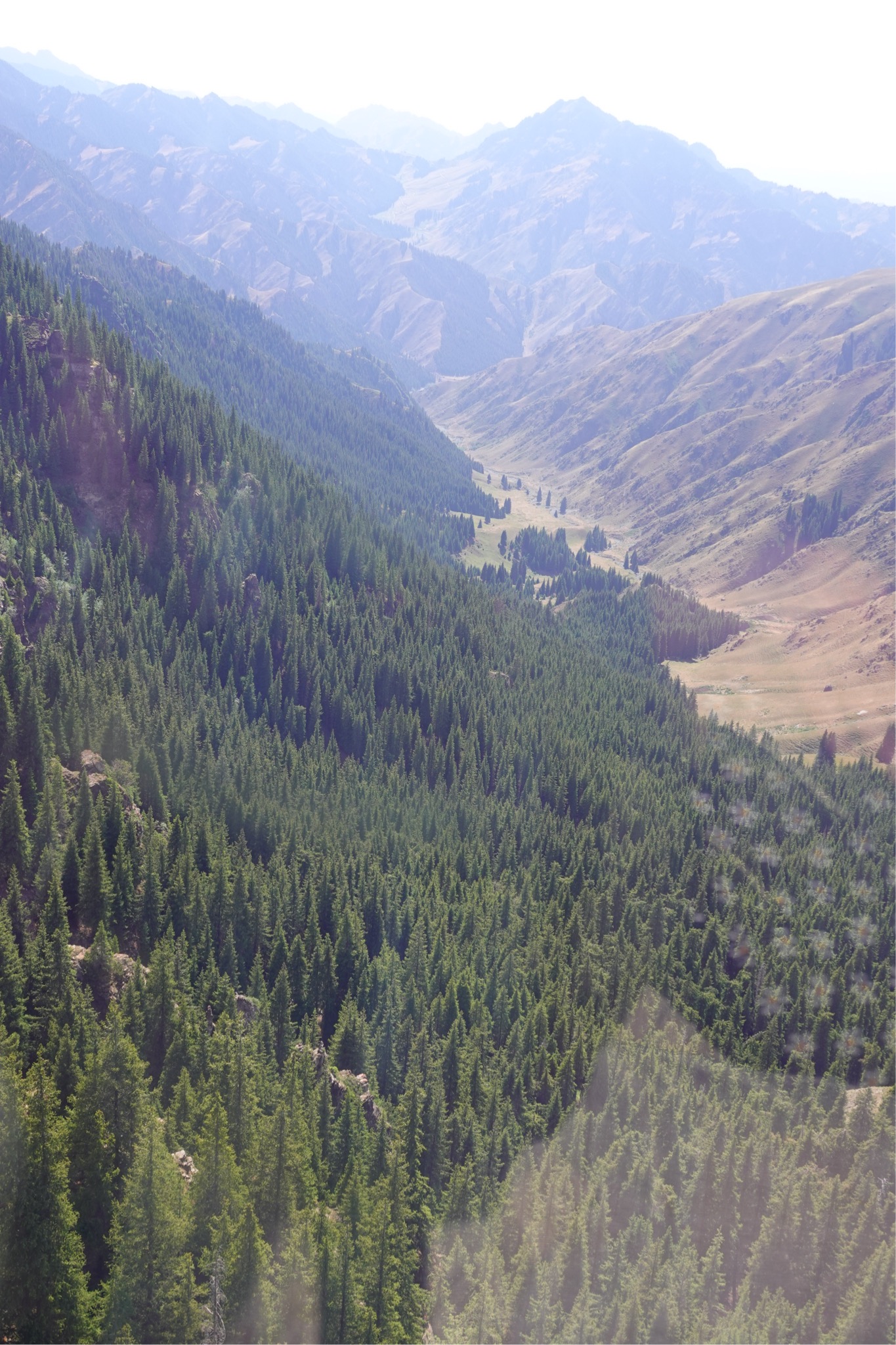
Then it was 45 minutes up to 2000 metres in the shuttle bus, the level of the lake, then a second shuttle bus to go up maybe another 700 metres, then the gondola to go higher still and finally I climbed another 300 steps.
At Turpan -150 metres below sea level, today 3000 metres above. Go figure.
Tomorrow I fly to Beijing. Karen and the Harmans go to horse show and then the well known local museum
#w background via Claude
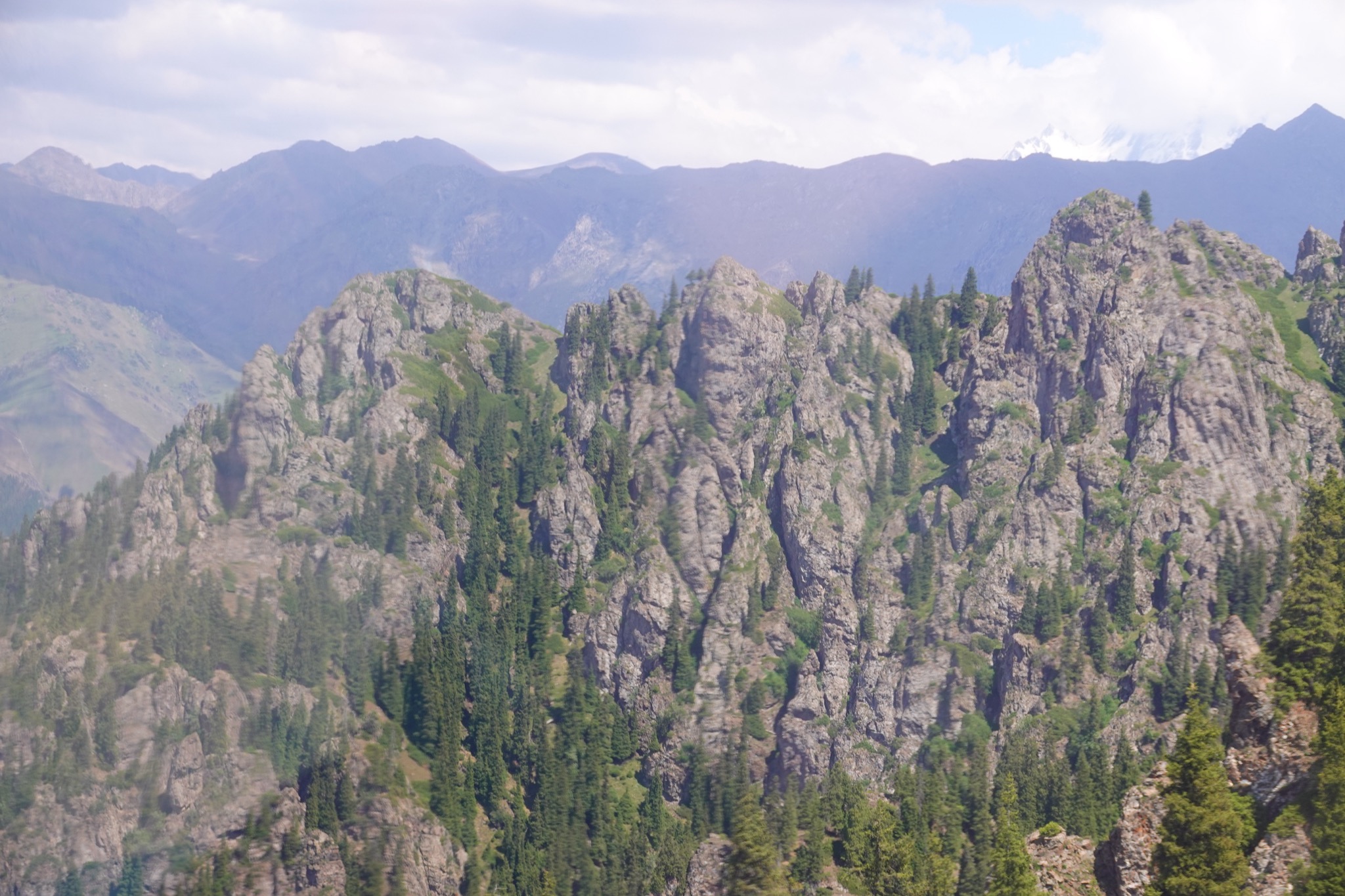
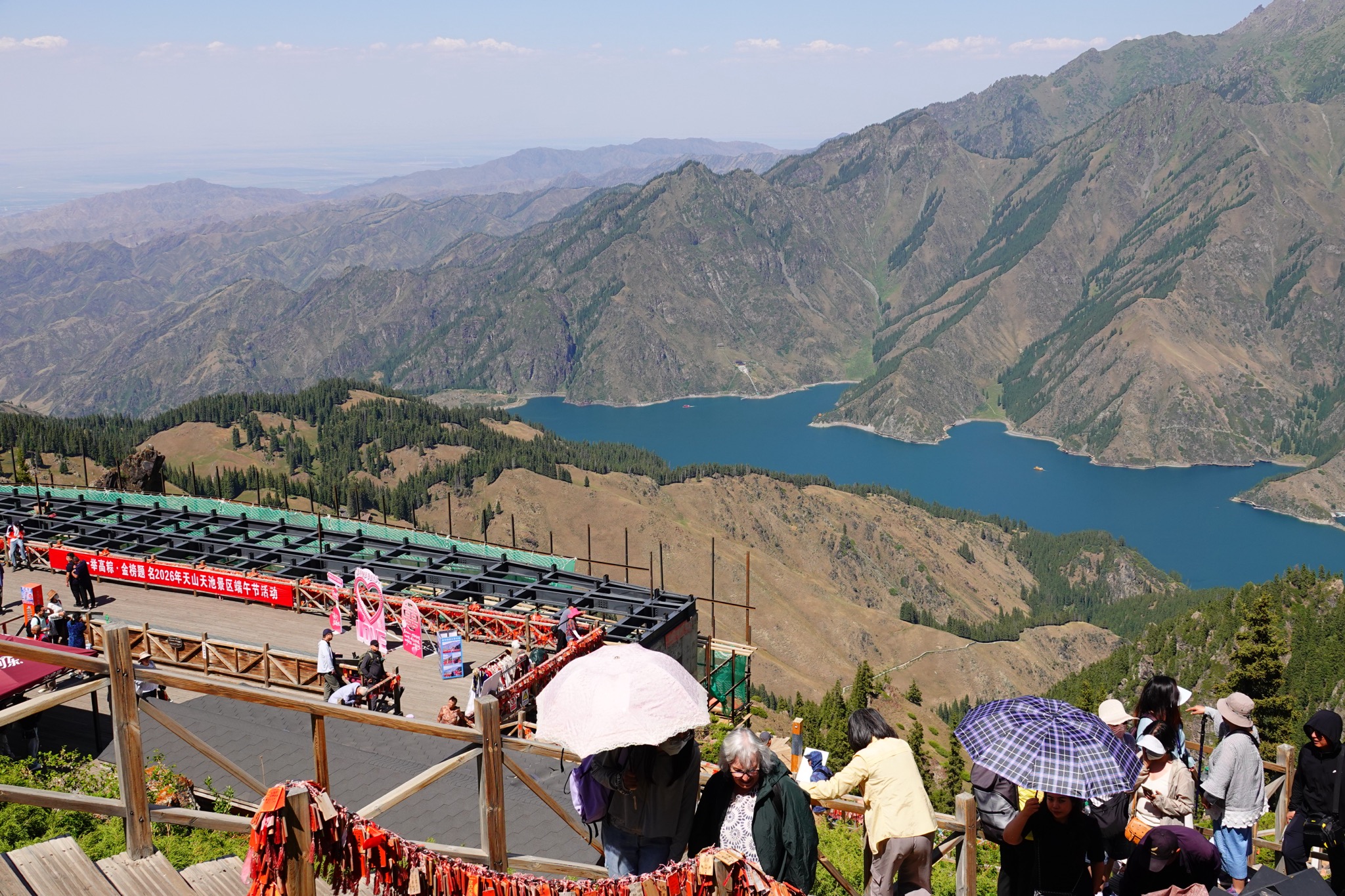
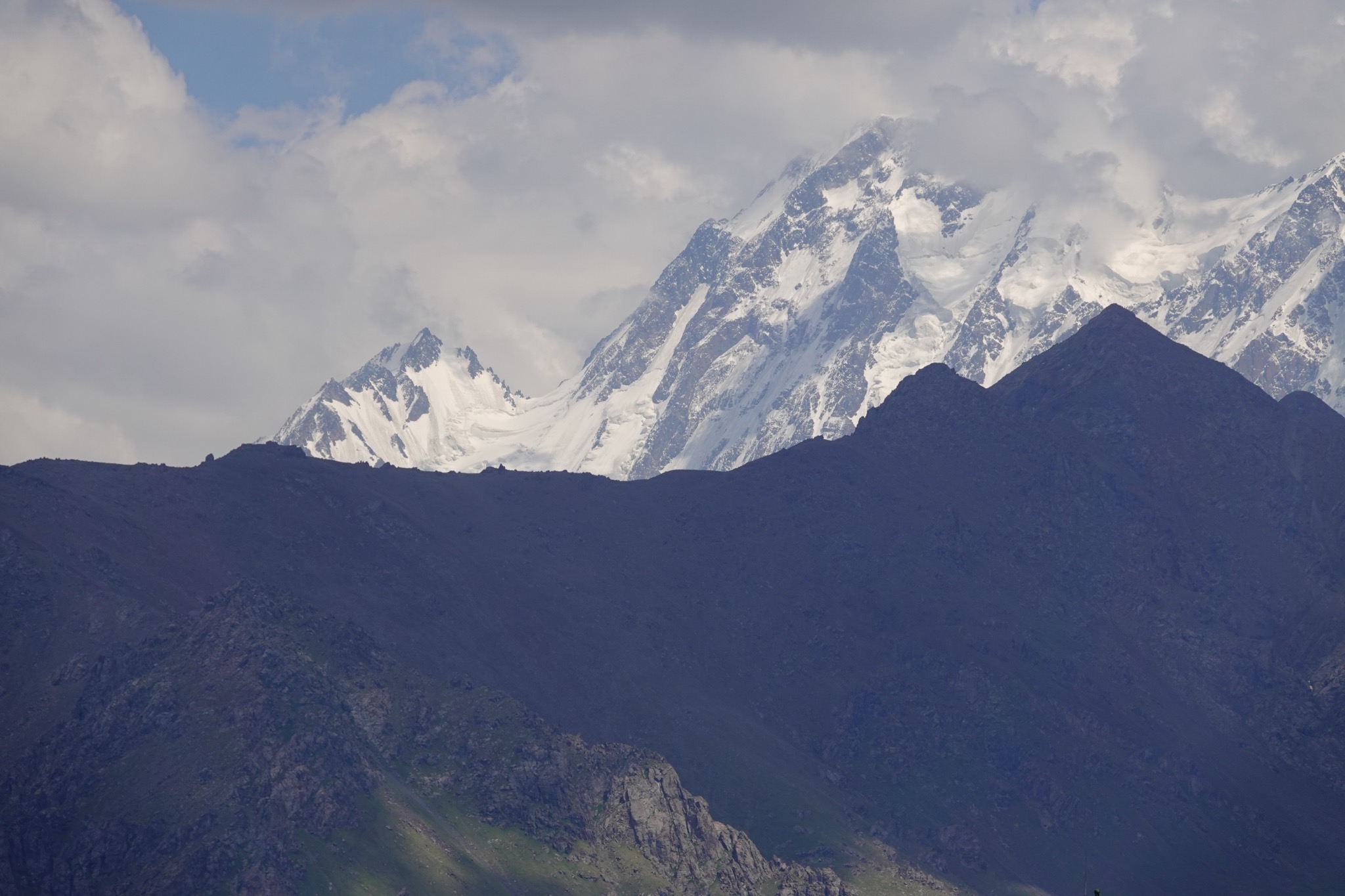
Heavenly Lake (天池, Tiānchí) sits high in the Tian Shan — the “Heavenly Mountains” — about 100 km east of Ürümqi, on the northern flank of Bogda Peak near Fukang. It’s an alpine lake at roughly 1,900 m, formed when glacial moraine dammed a valley during the last ice age, leaving a deep, cold body of meltwater ringed by spruce forest with the snow-capped Bogda massif (over 5,400 m) reflected in it.
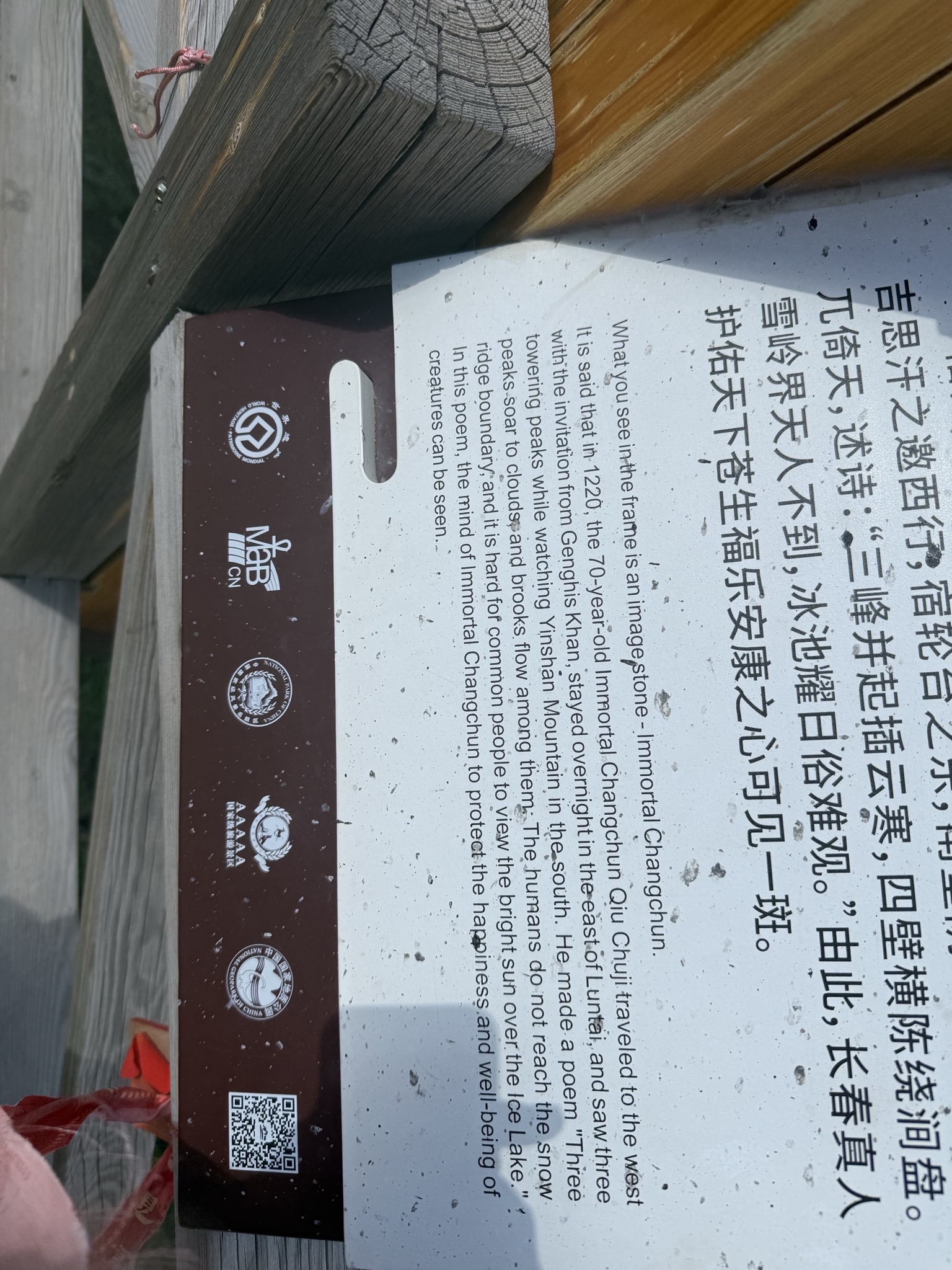
Its name and fame come from Chinese mythology. The lake is traditionally identified as the bathing place or banquet garden of Xiwangmu, the Queen Mother of the West — one of the oldest deities in Chinese folk religion, mistress of immortality. The most famous legend has King Mu of Zhou journeying west around the 10th century BCE and being feasted by her beside these waters, a story recorded in the ancient text Mu Tianzi Zhuan (Tale of King Mu, Son of Heaven). That mythic association is why the lake carries the “heavenly” name and why it became a Daoist pilgrimage site; there are temples nearby dedicated to the Queen Mother.
For the Silk Road specifically, the lake sat just off the northern routes skirting the Tian Shan, in country long inhabited by Kazakh herders, whose yurts and grazing horses still characterise the alpine meadows around it. Its modern significance is partly environmental and political: in 2013 it was inscribed, as part of “Xinjiang Tianshan,” on the UNESCO World Heritage list for its outstanding natural beauty and the dramatic ecological transitions from desert basin up to glacier. Today it’s one of Xinjiang’s flagship tourist destinations, reached by a road and gondola system, busy with domestic visitors.