Karen’s China, part 2 — south to Guangzhou and Guilin
A guest entry from Karen — the second half of Annette, Graham and Karen’s journey.
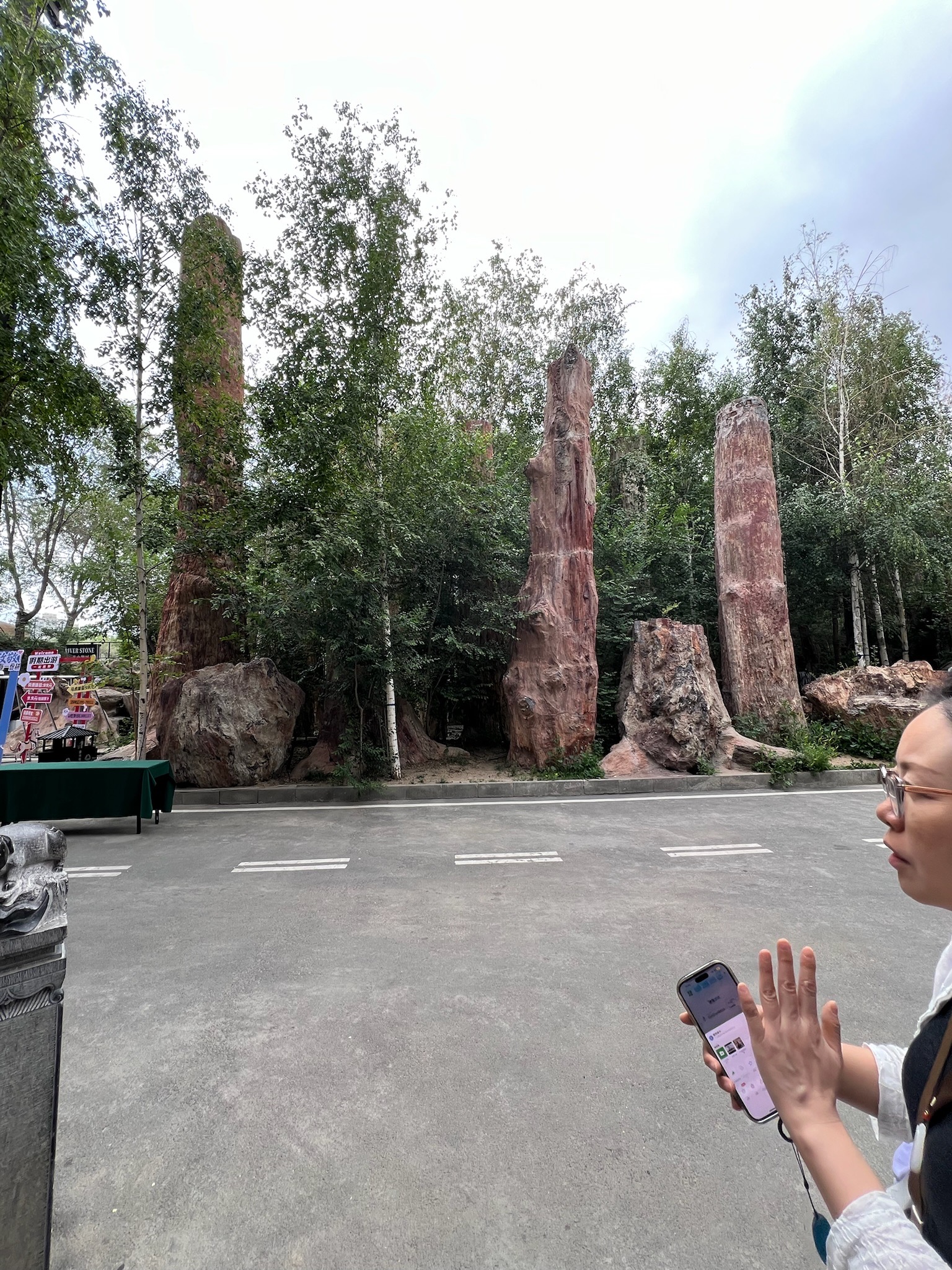
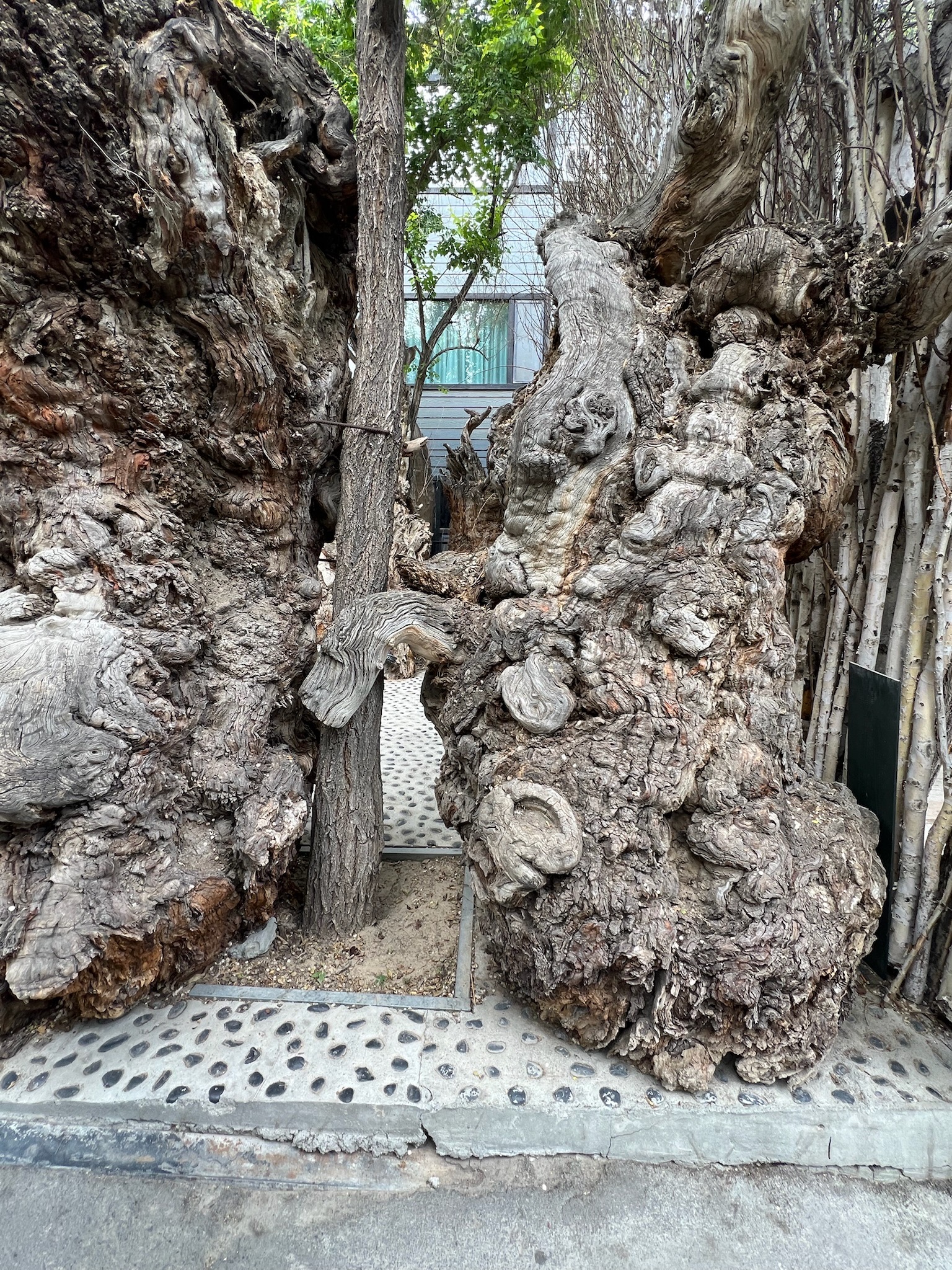
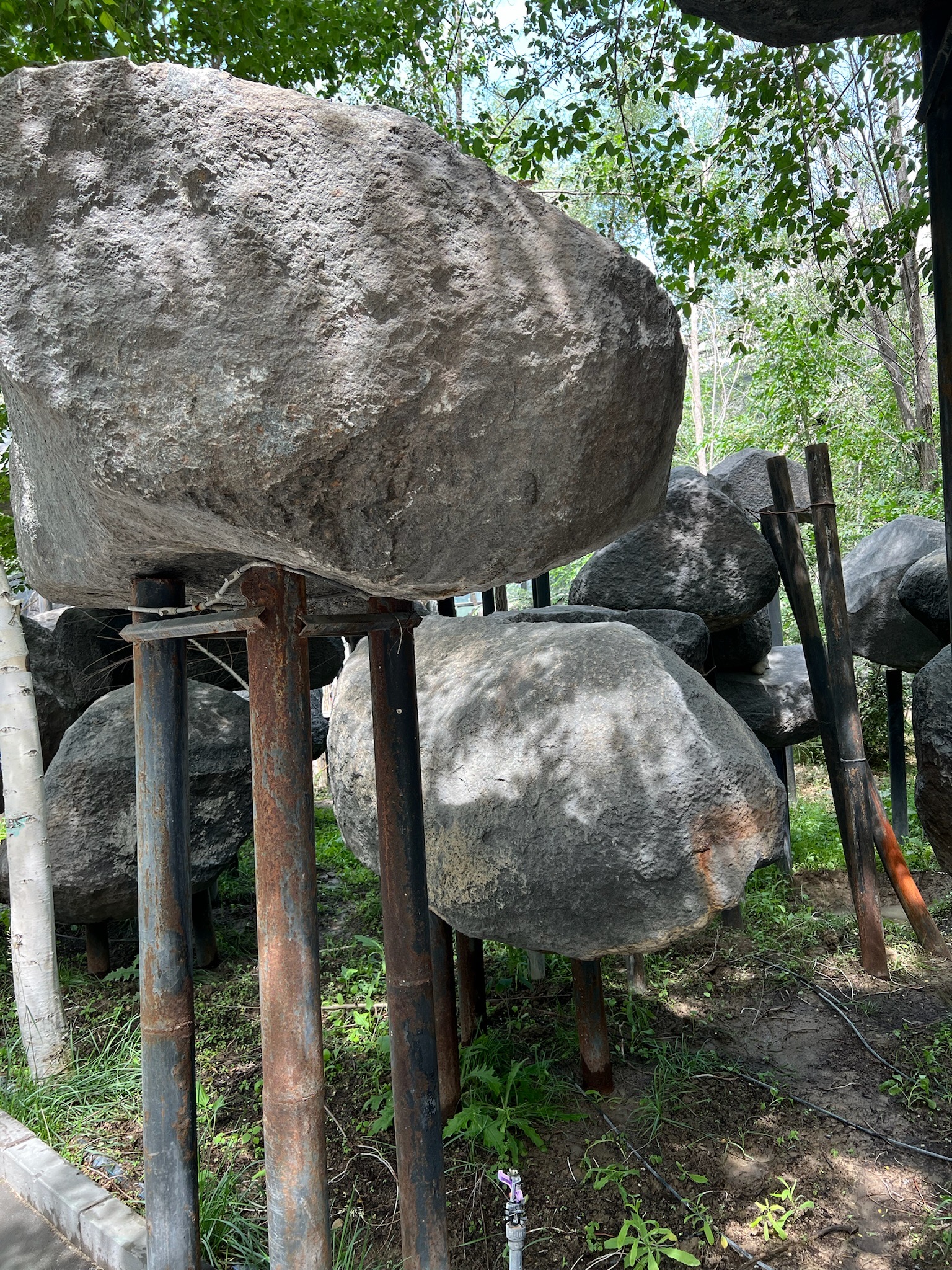
Other interesting exhibits at the Ancient Eco Park were trees from a petrified forest (some trees date back to 200 million years ago), and grassland stone figures used in some funeral ceremonies. There was also an art gallery, a motel and an exhibit of precious objects. In addition there was a display of 3,000 iron meteorites — they are known as some of the largest in the world and they were found in the Altay grasslands in Northern Xinjiang.
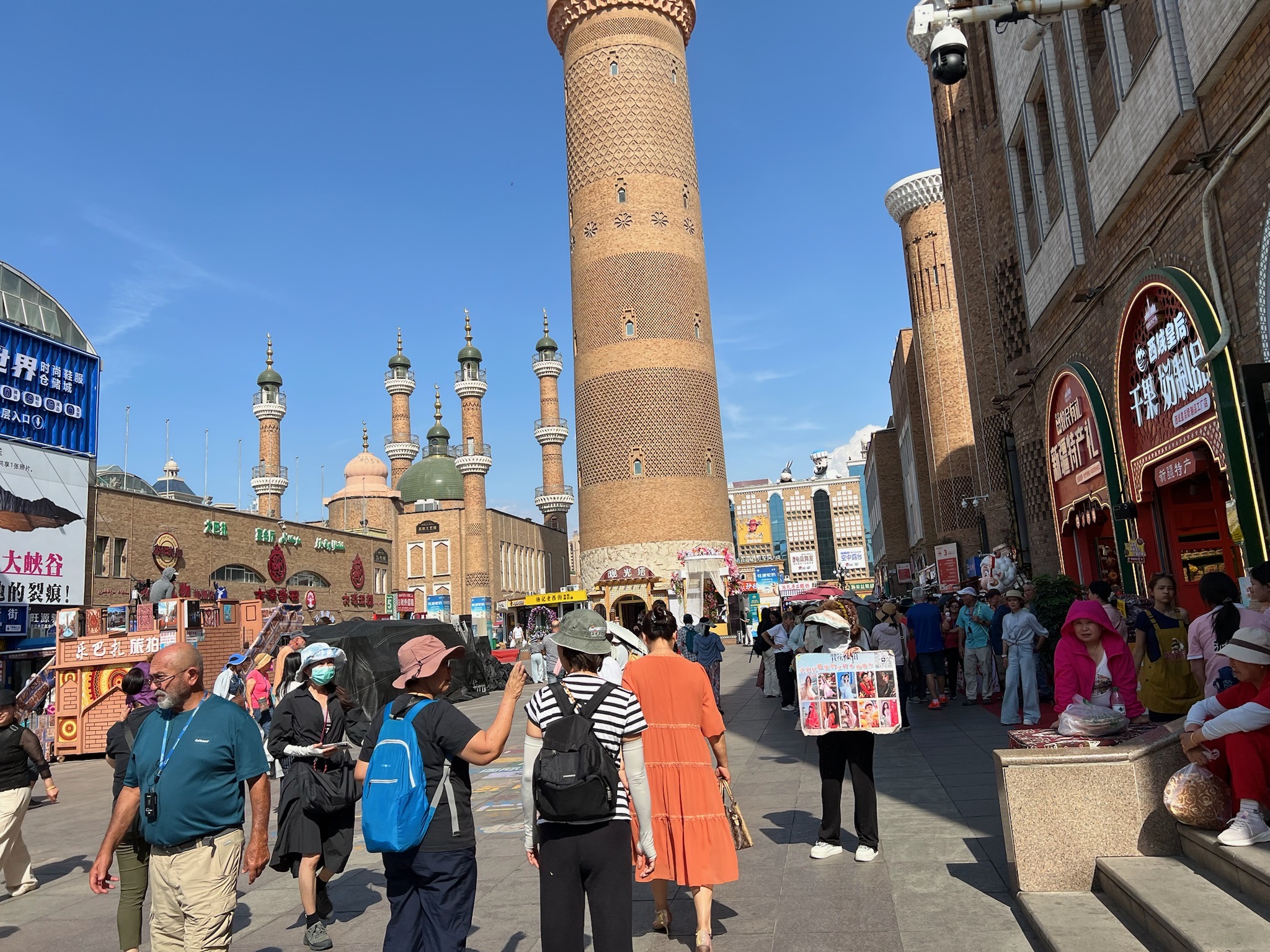
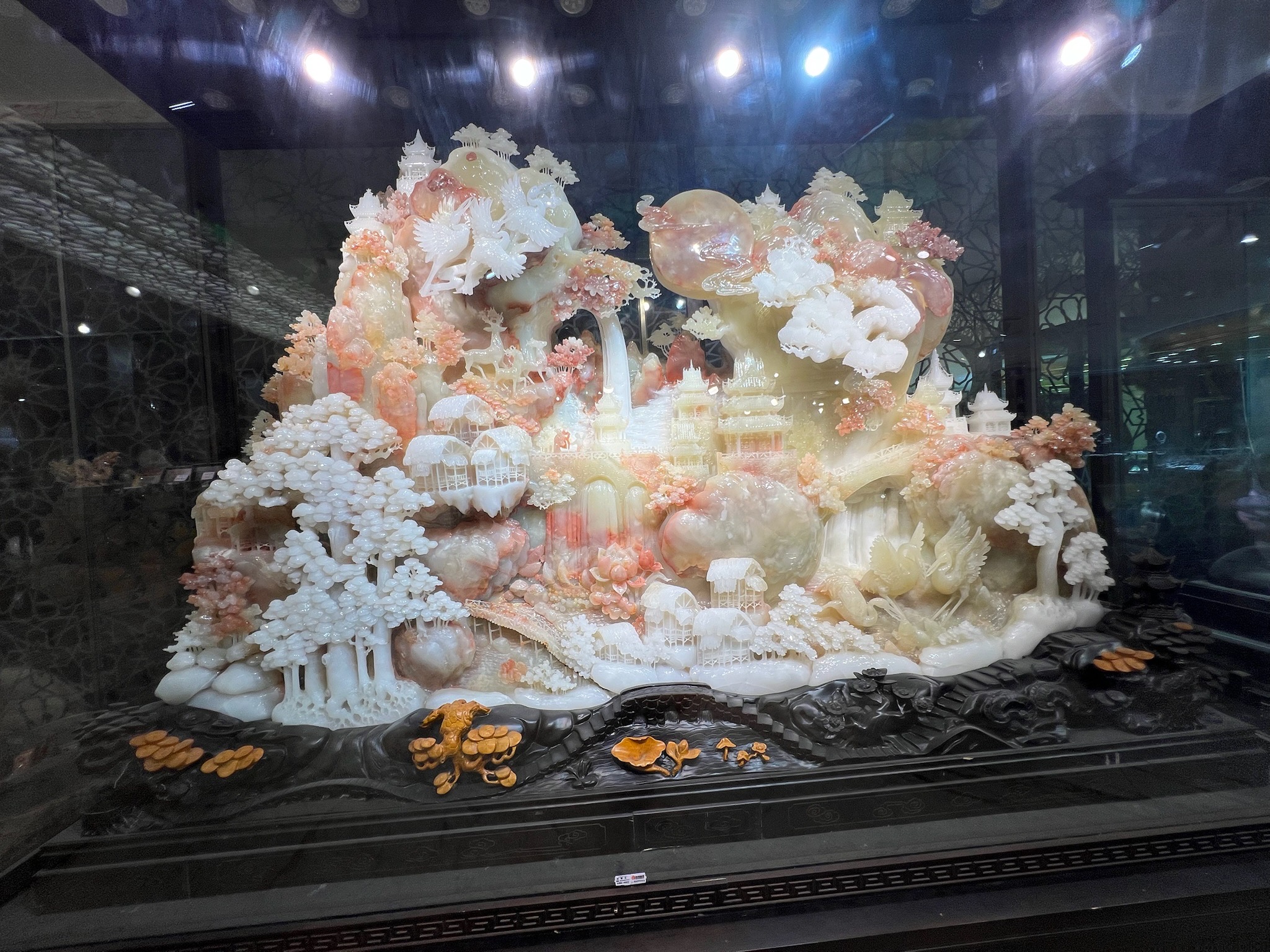
After spending time at the Eco Park we were driven to the Grand Bazaar in Urumqi. It is one of the world’s largest Islamic-style markets, with over 3,000 stalls. At the markets I was interested to see some enormous intricate jade carvings.
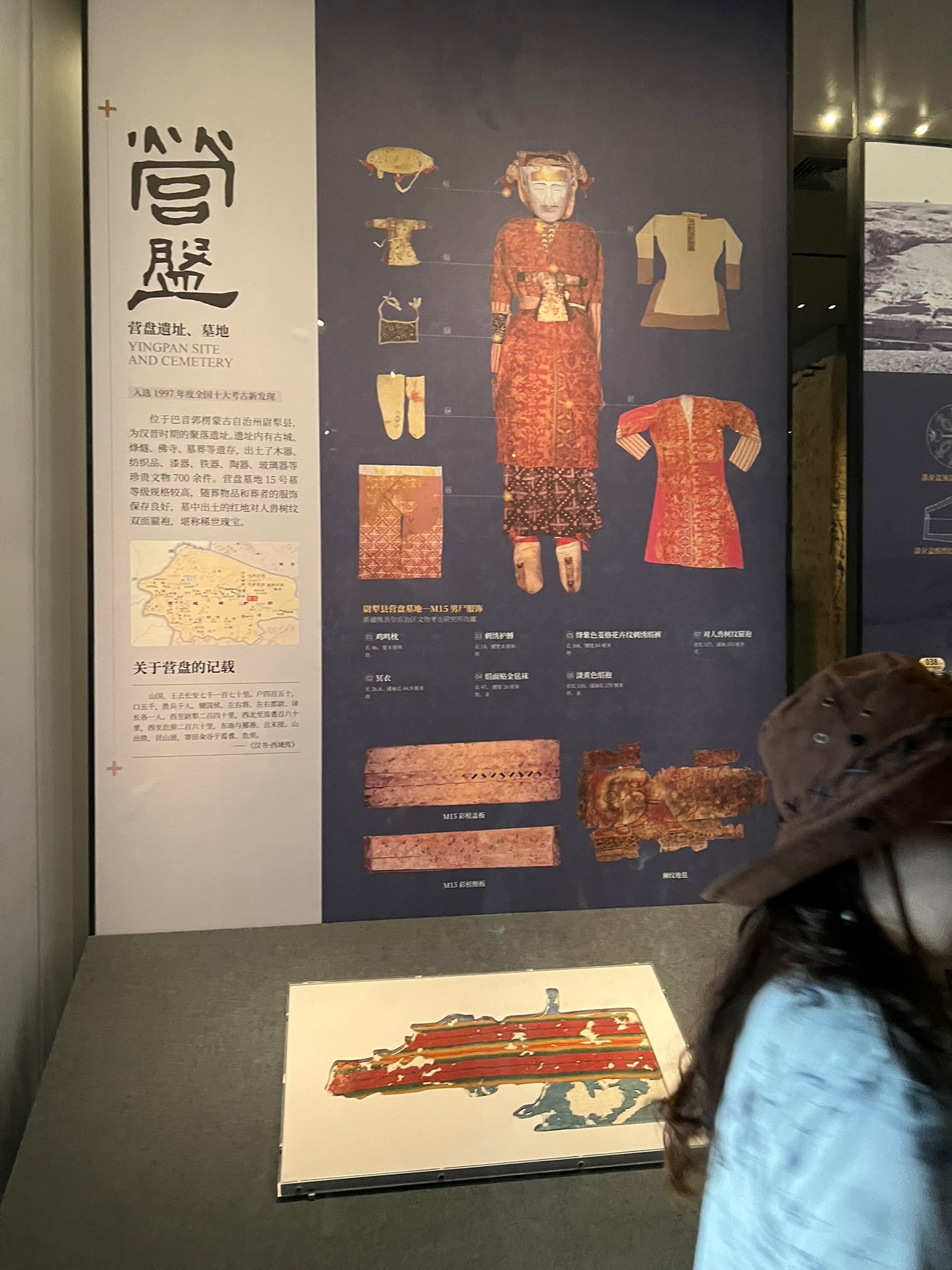
Following this we expressed an interest in visiting the Xinjiang Regional Museum, which has 31,000 cultural collections. I was most interested in seeing an exhibition of Xinjiang’s ancient corpses. Due to the dry weather and a special ancient funeral system they are remarkably well preserved. The most famous and oldest is the Loulan Beauty, who is said to be a European buried nearly 4,000 years ago. Another notable corpse was Zhang Xiong, a famous Chinese general from the Gaochang Kingdom. These mummies were naturally dried and totally different to Egyptian ones.
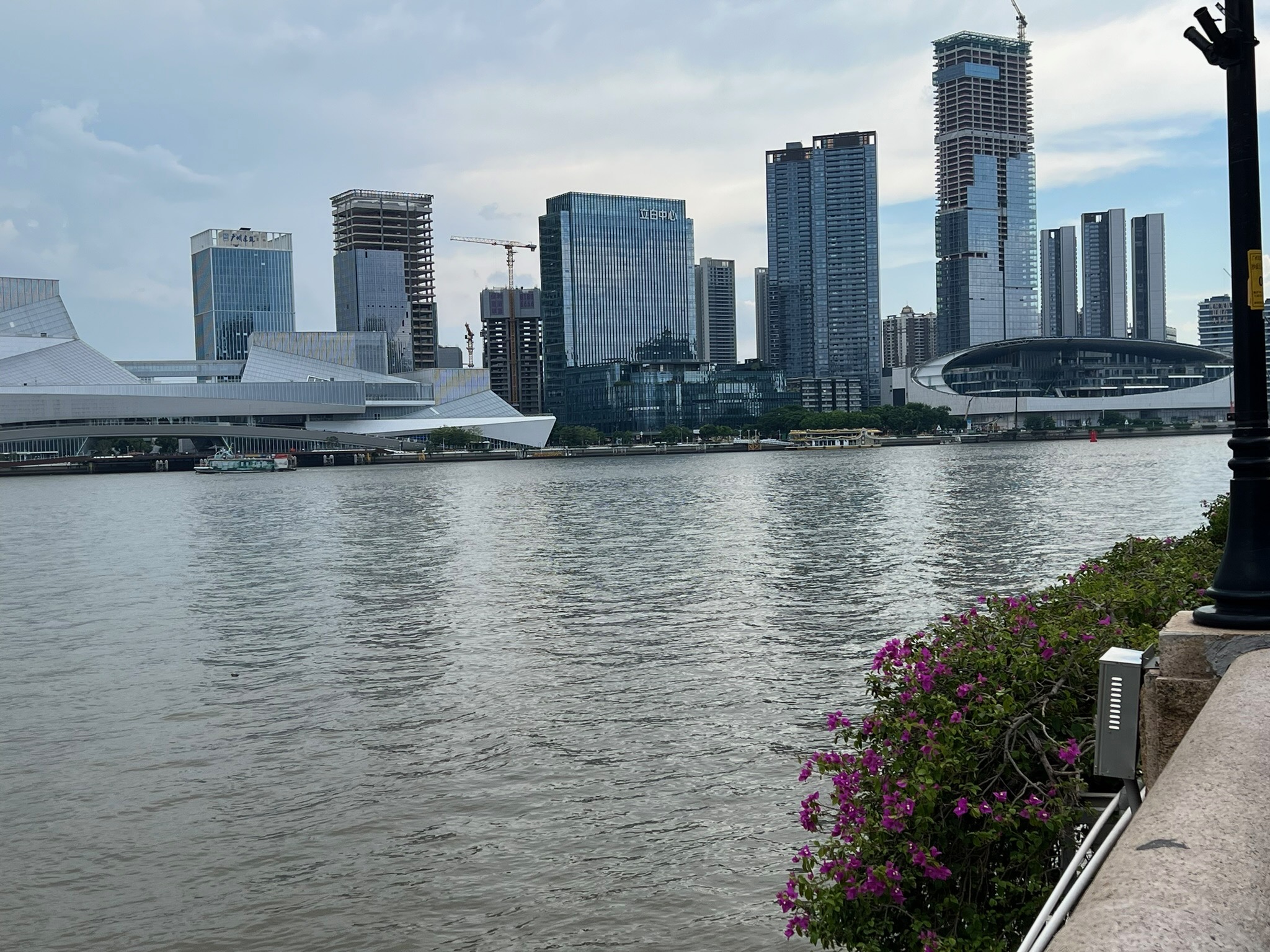
The next stop for Annette, Graham and I was the airport, where we flew to Guangzhou. Guangzhou is another enormous Chinese city, with 13 million people. Annette had cleverly booked a hotel near a metro station. Guangzhou has a great metro system with trains leaving every 2 minutes, and it also connects to the very fast train terminal. The terminal is on a similar scale to a major airport terminal — there were so many train platforms.
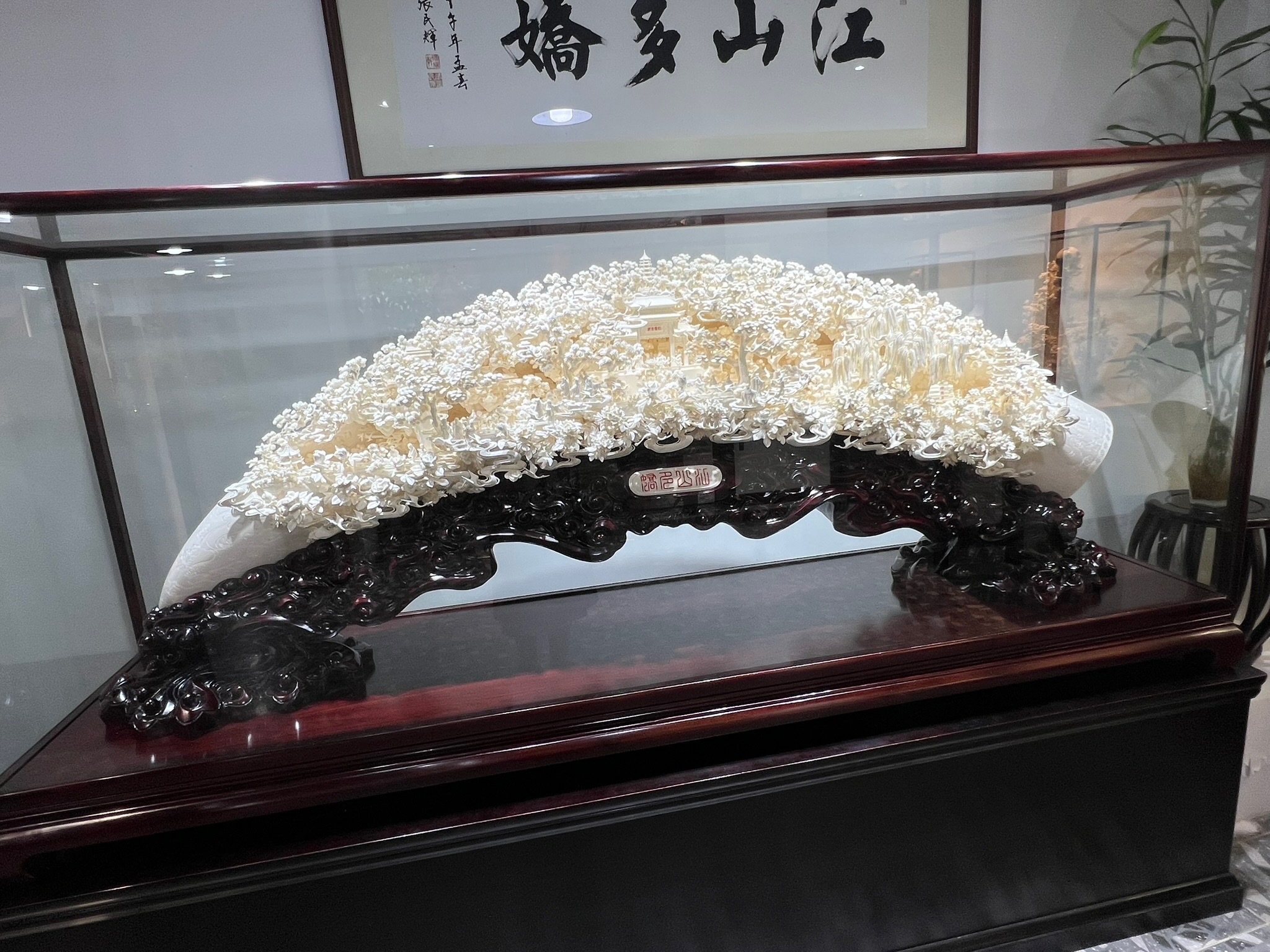
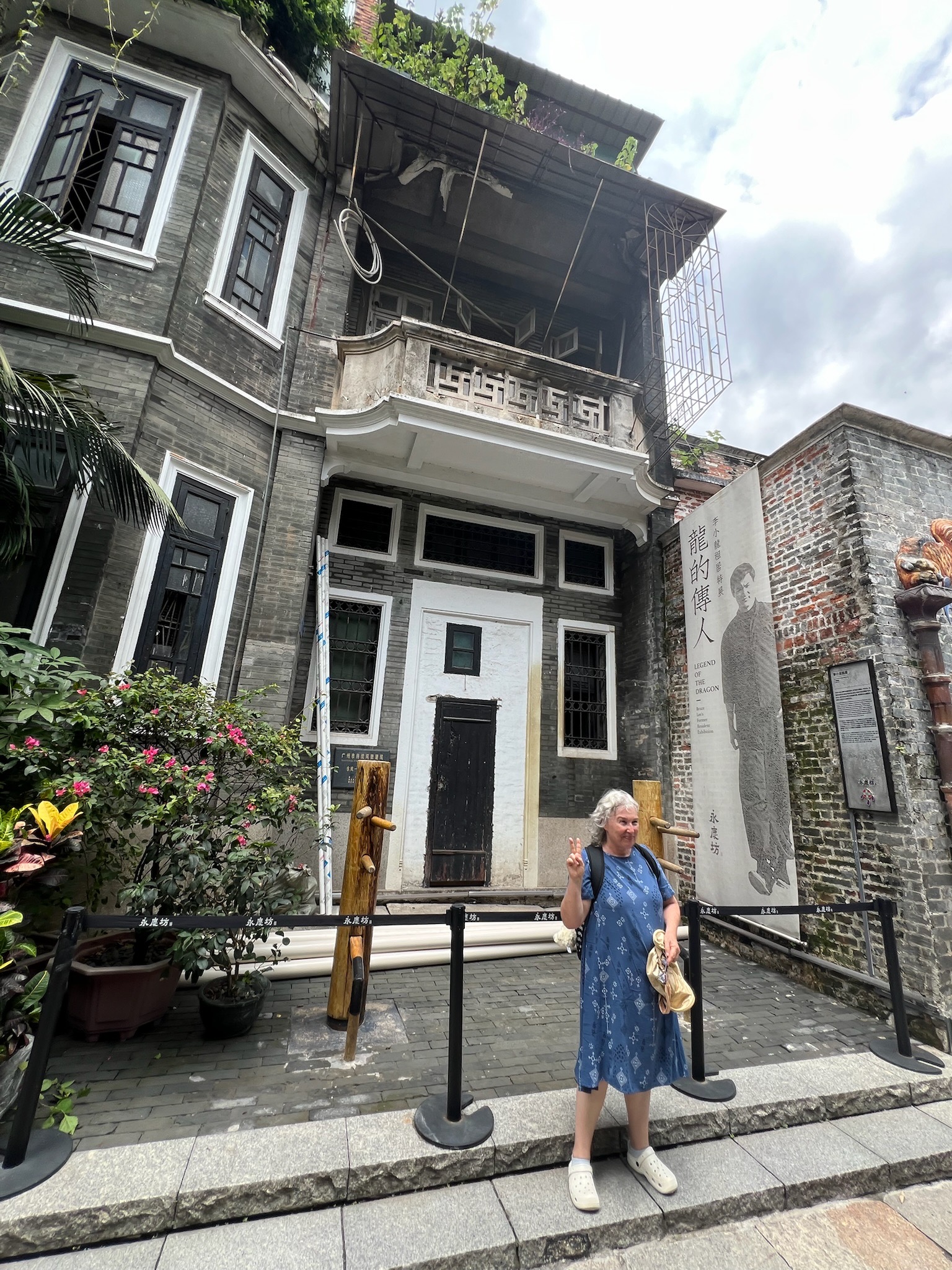
While in Guangzhou we did a walking tour which explored the old Xiguan area. This ancient area is home to historic architecture, parks and temples, as well as Bruce Lee’s ancestral home. At one stage we could hear opera singing, as it is home to the Canton Opera Museum. We visited some shops here and one of them was selling carvings made from mammoth ivory. Apparently they are now finding a lot of mammoths in Russia due to ice melting there, and the Chinese purchase a lot of the ivory tusks.
Following this we walked to Shamian Island. The island is on the banks of the Pearl River. It is a historical area that serves as a reminder of the colonial and European period in China. From the 18th century till the mid-19th century foreigners lived and did their business here. The area saw skirmishes during the Opium Wars.
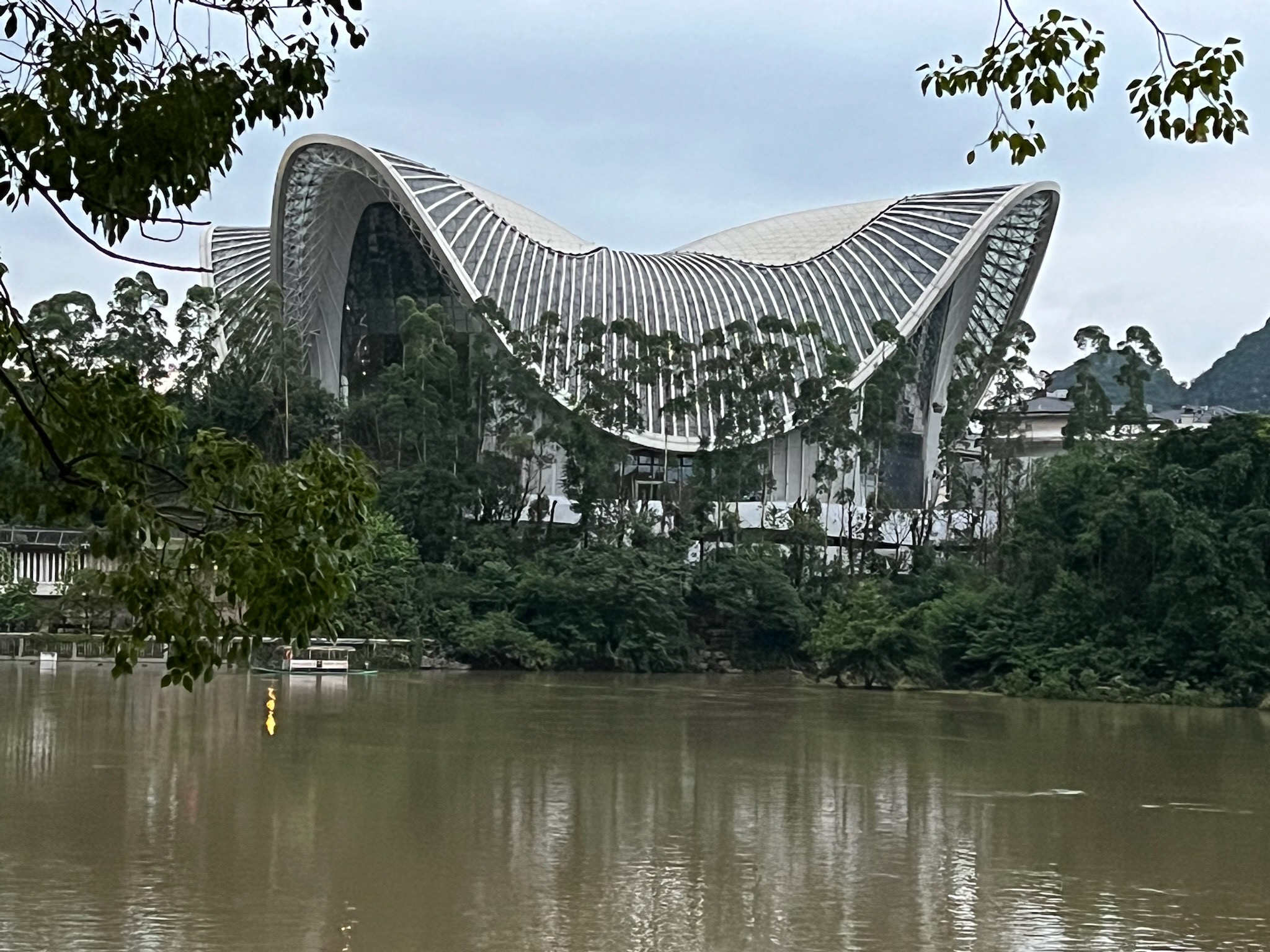
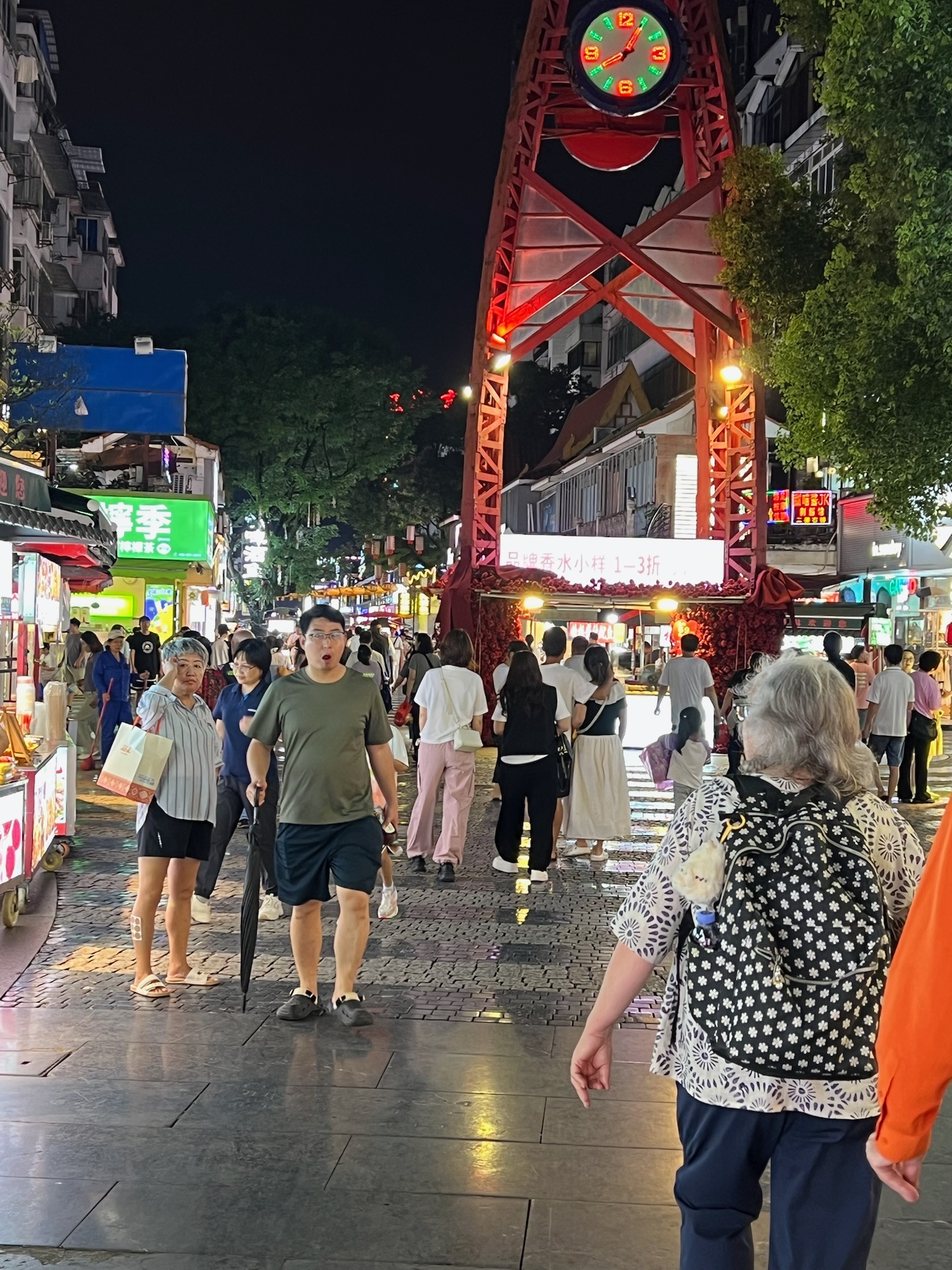
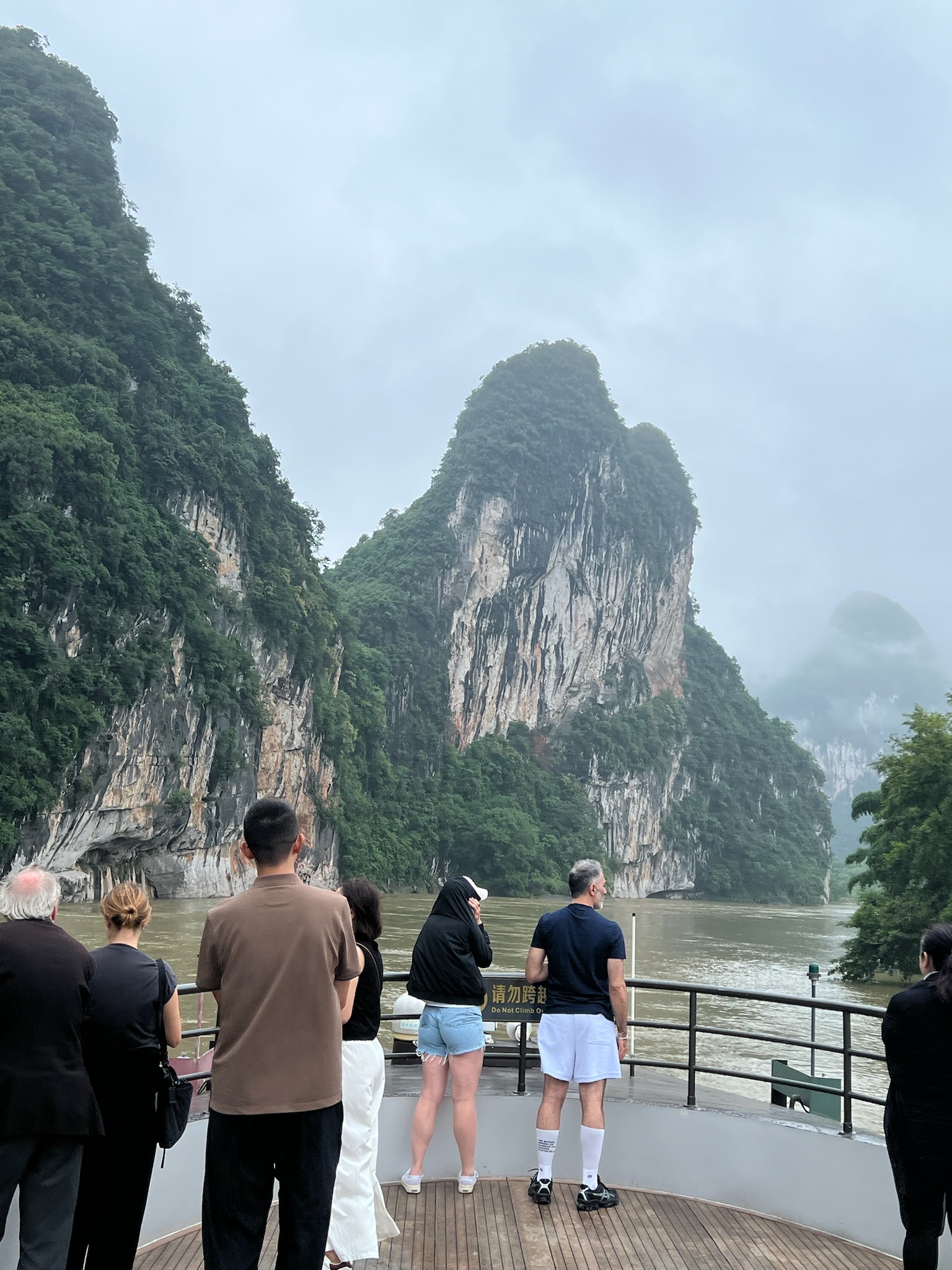
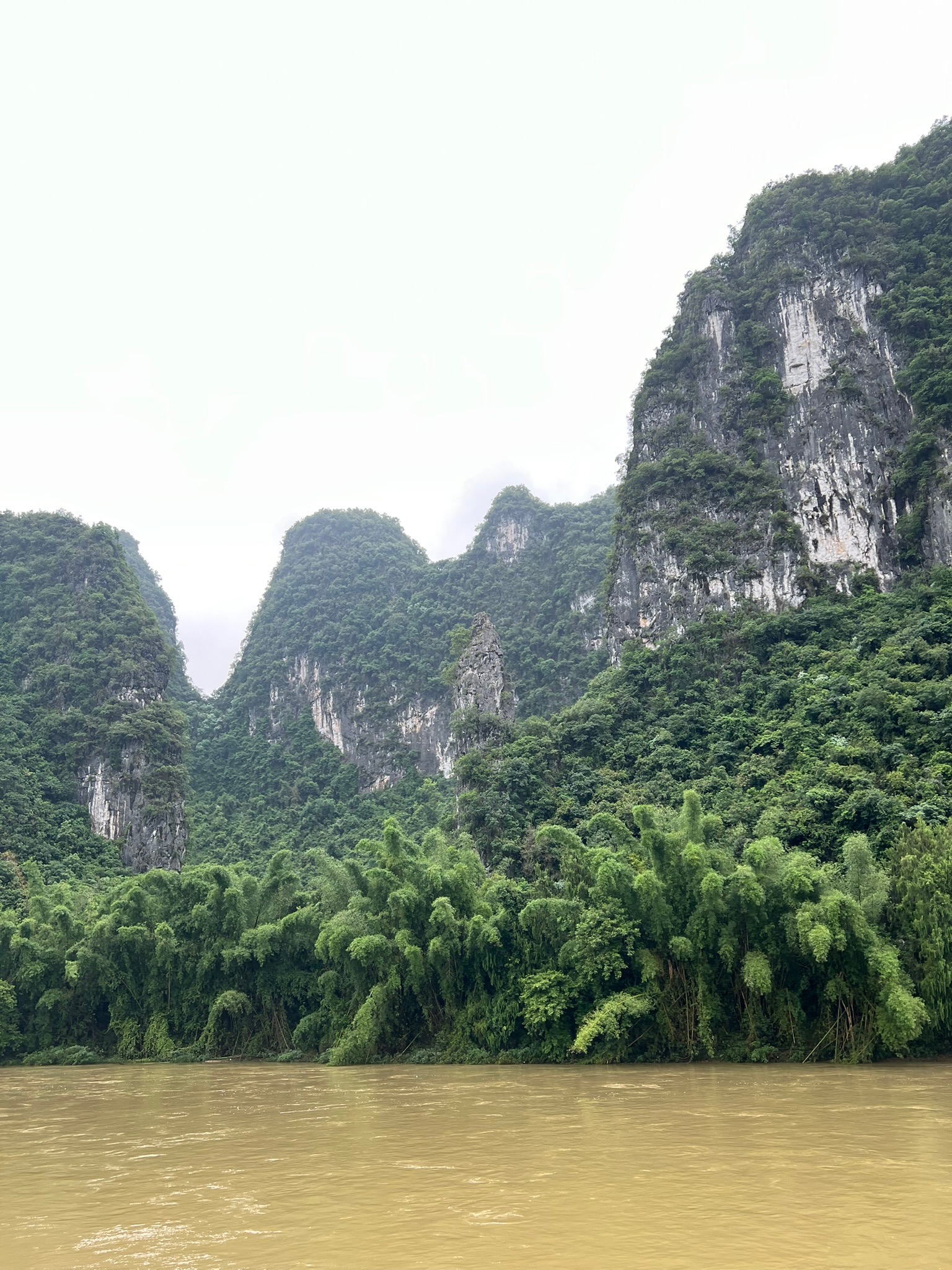
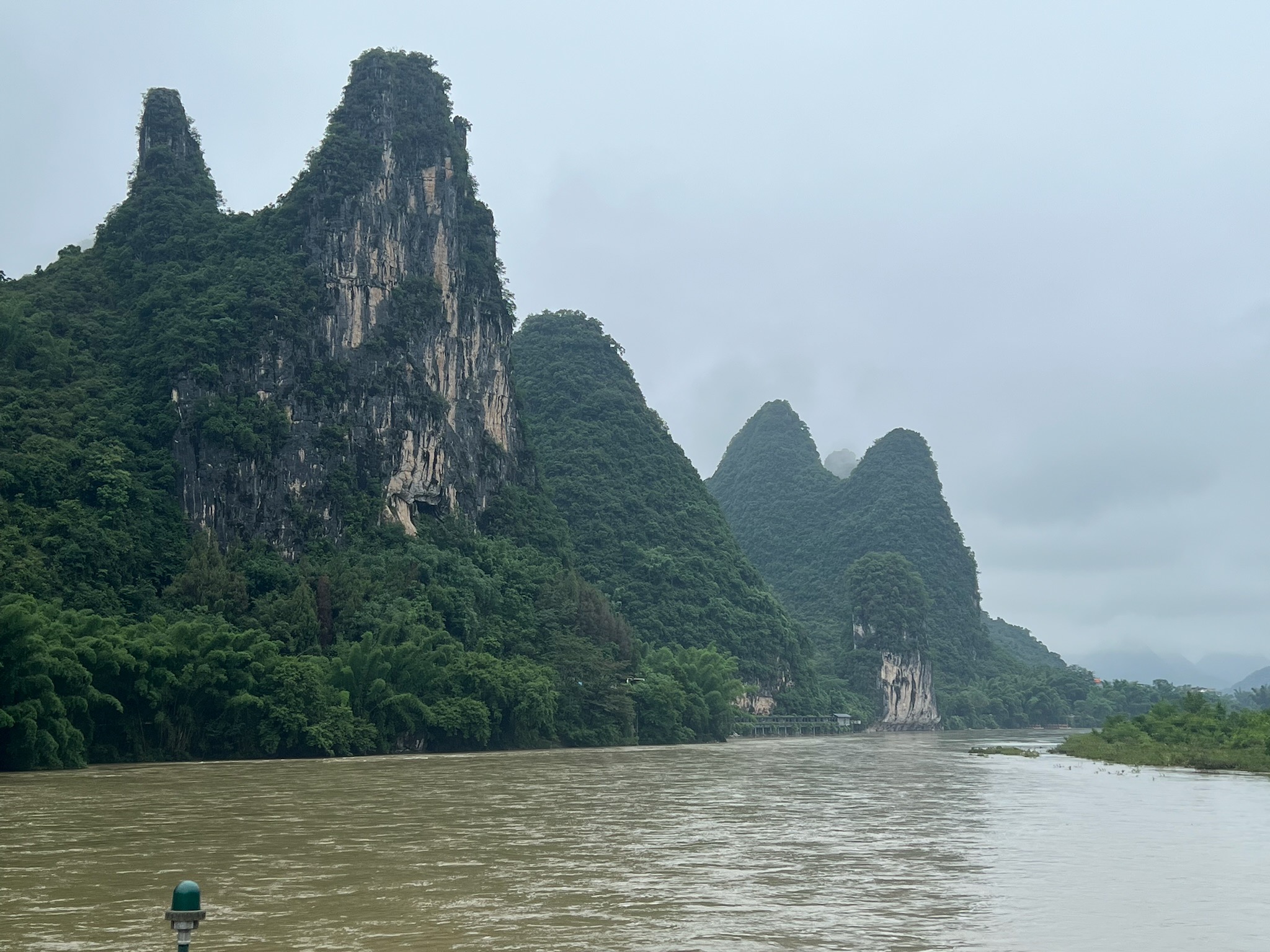
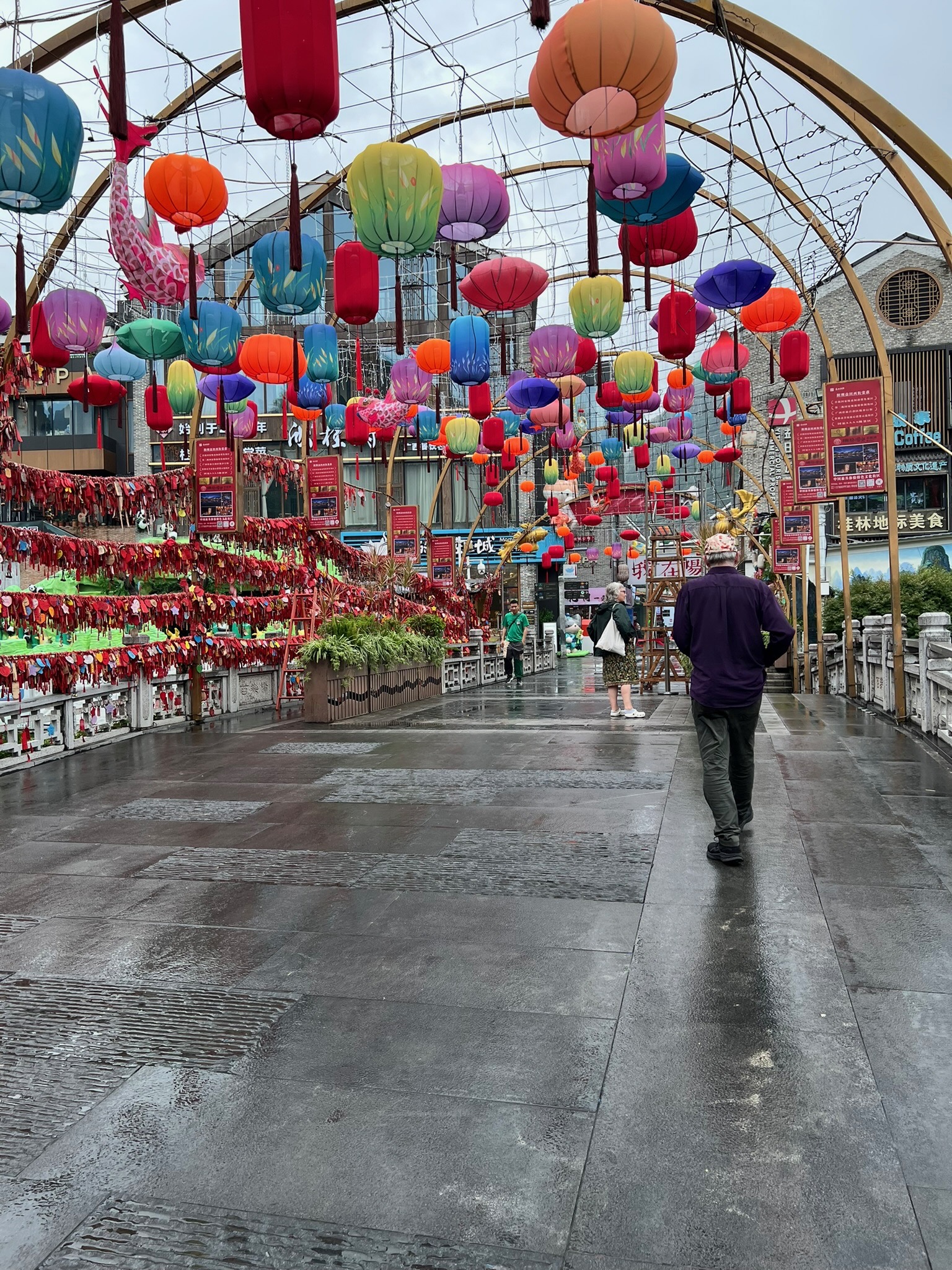
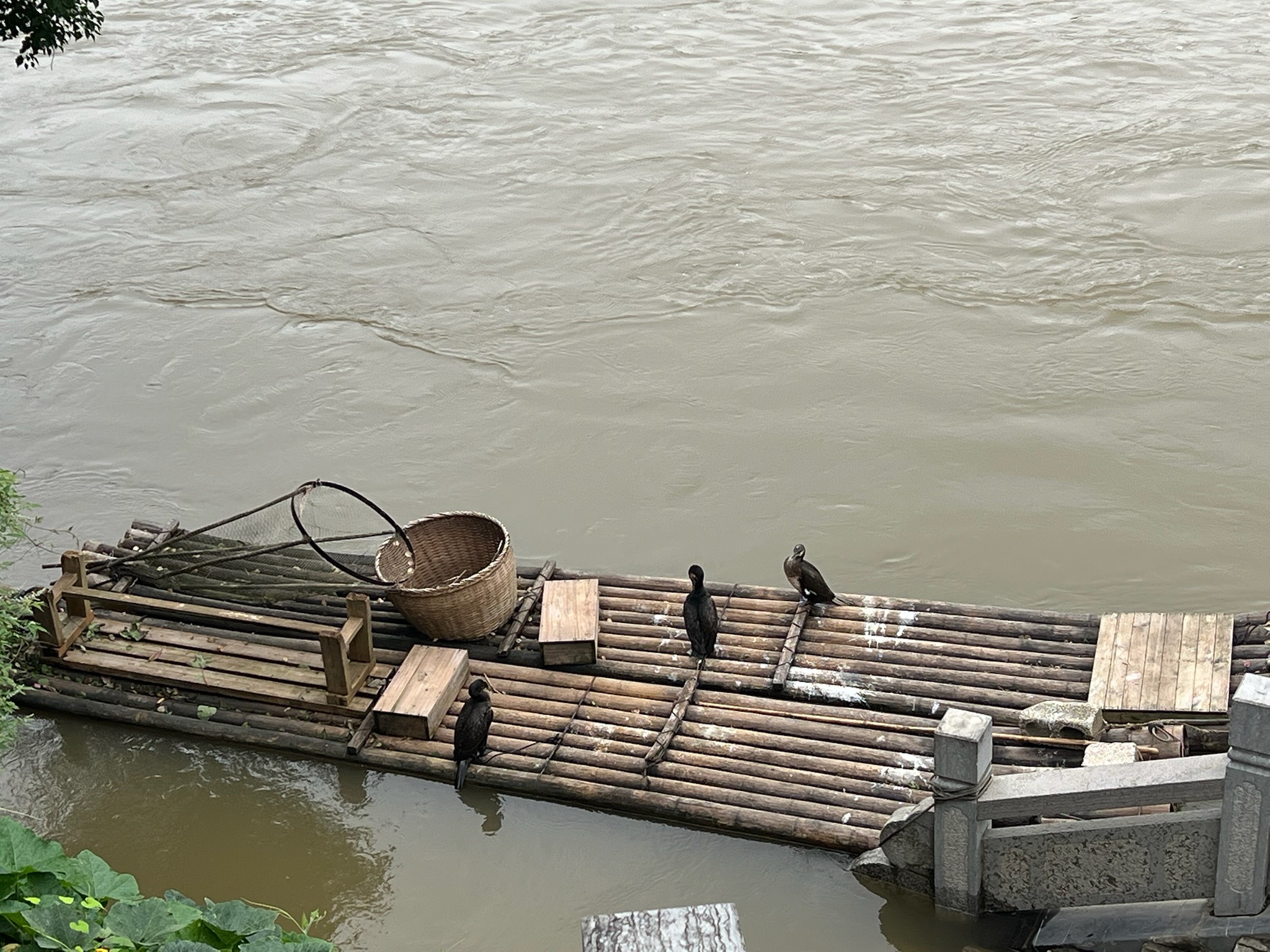
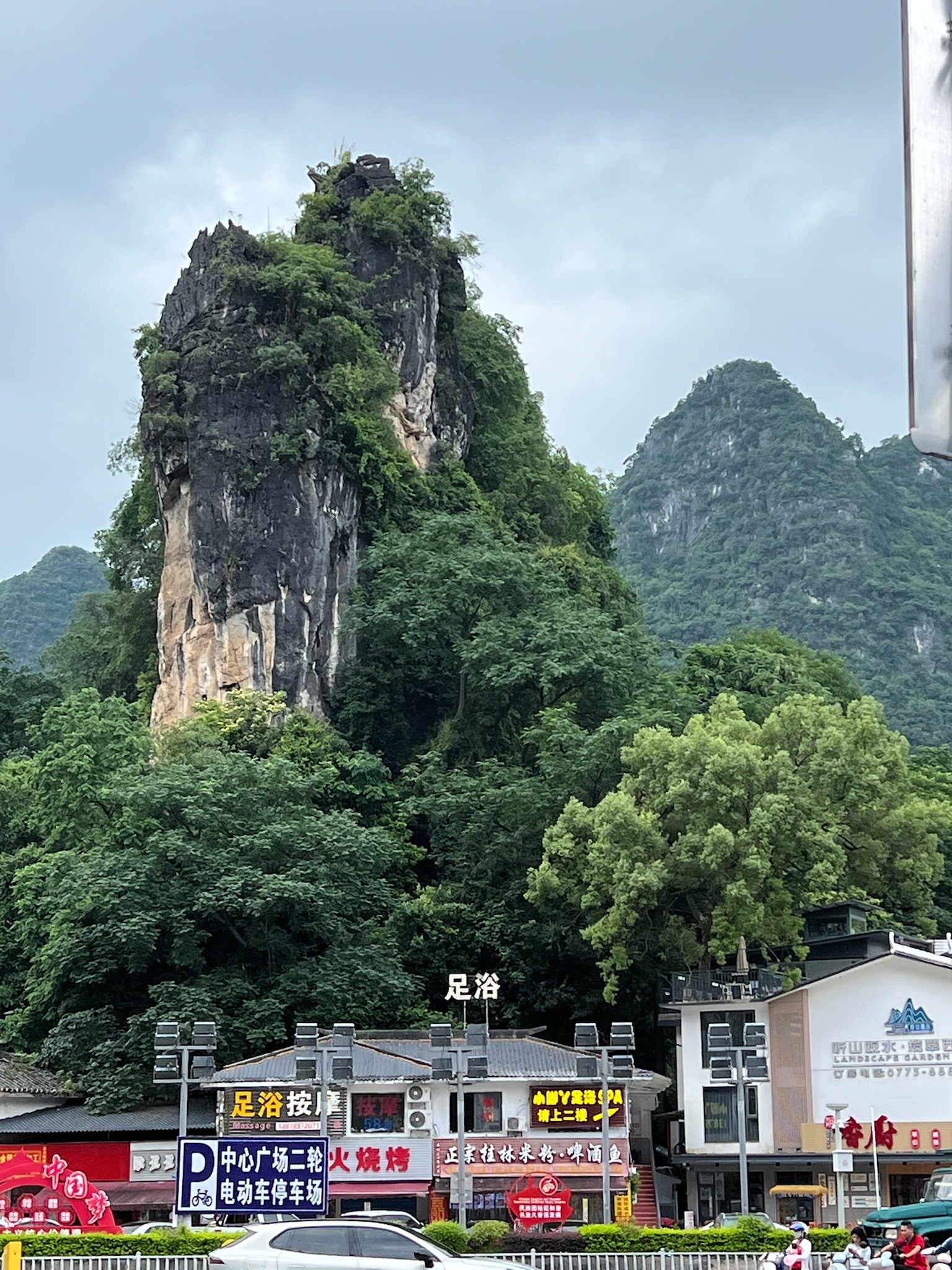
From Guangzhou we took a very fast train to Guilin. Guilin is famous for its breathtaking karst limestone mountains and the winding Li River — often described as a living ink painting. There is a scenic waterway system there which wraps through the city centre. We saw more Western tourists here than anywhere else we had been in China. It even had an Irish bar.
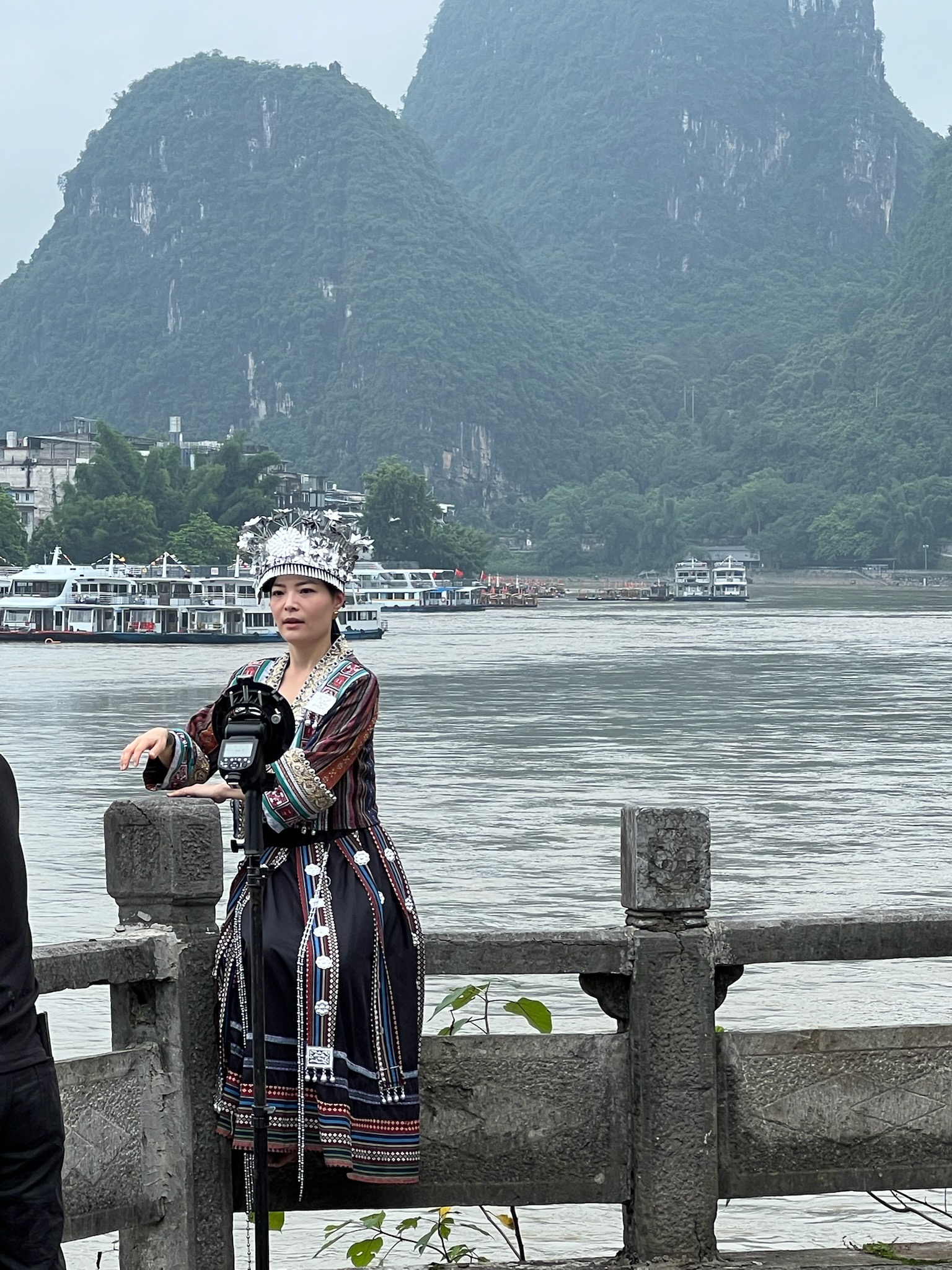
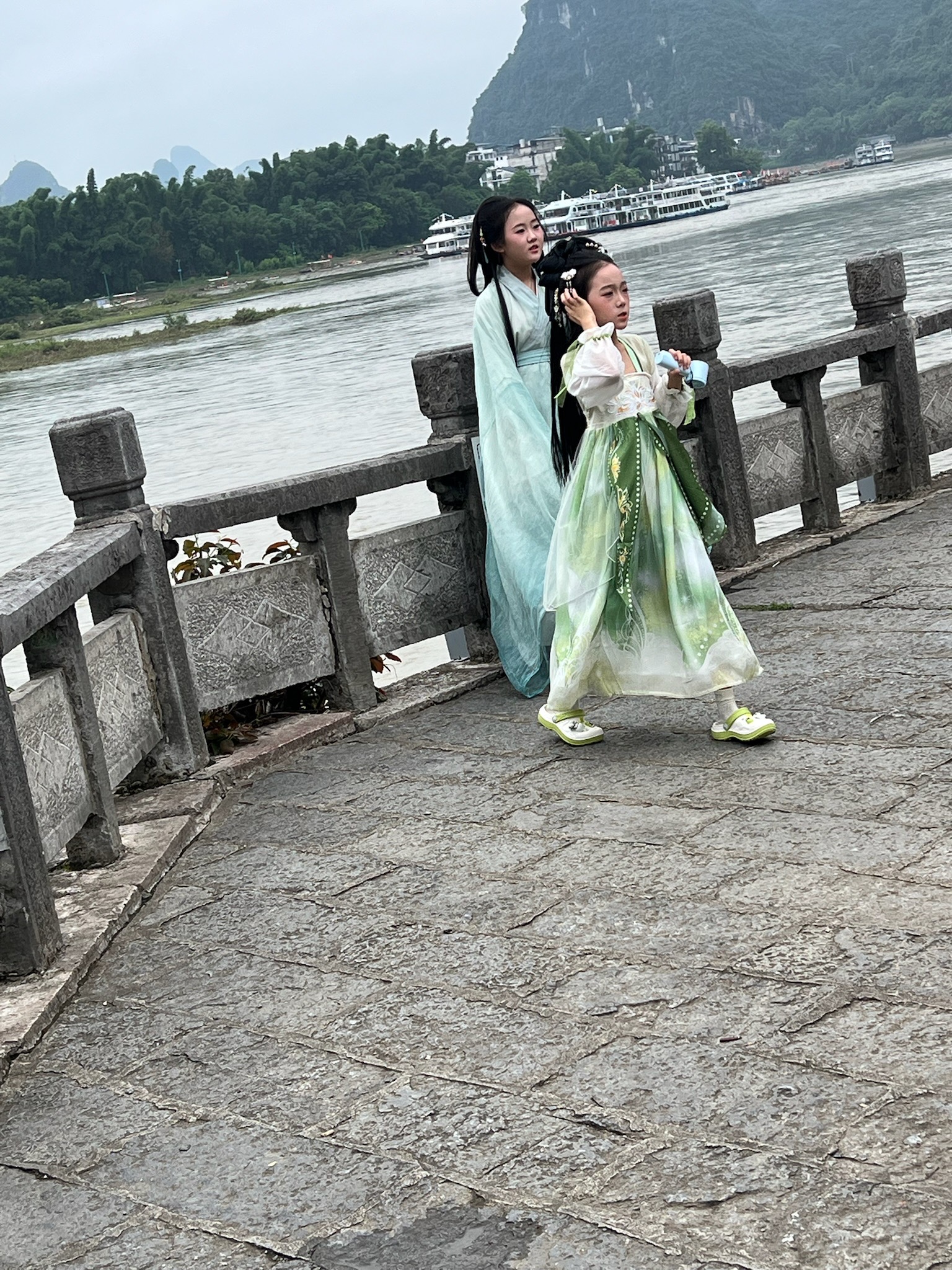
It was common everywhere we went to see young women dressed in traditional dress, which they hire. They were often being photographed, or they were just strolling around.
From Guilin we took a Li River cruise to Yangshuo, our next destination. The cruise was truly spectacular, and we did it in style as we were upgraded to first class.
Yangshuo was a quieter city famous for its stunning landscape. It is the true scenic highlight of the region. We were surprised to find an art exhibition near our hotel representing two Australian artists, one of whom was the well-known artist Ken Knight.
From Yangshuo we took a taxi to a very fast train which returned us to Guangzhou, where we flew home.